Assam flood toll rises to 61 after 14 deaths in 24 hours; Central team to assess damage
Sivasagar alone accounts for nearly 3.49 lakh affected residents, while a multidisciplinary Central team will evaluate losses and recommend financial assistance.
Before history was written down, it was sung. Ask someone to name a folk tradition from North-East India, and chances are they will pause.




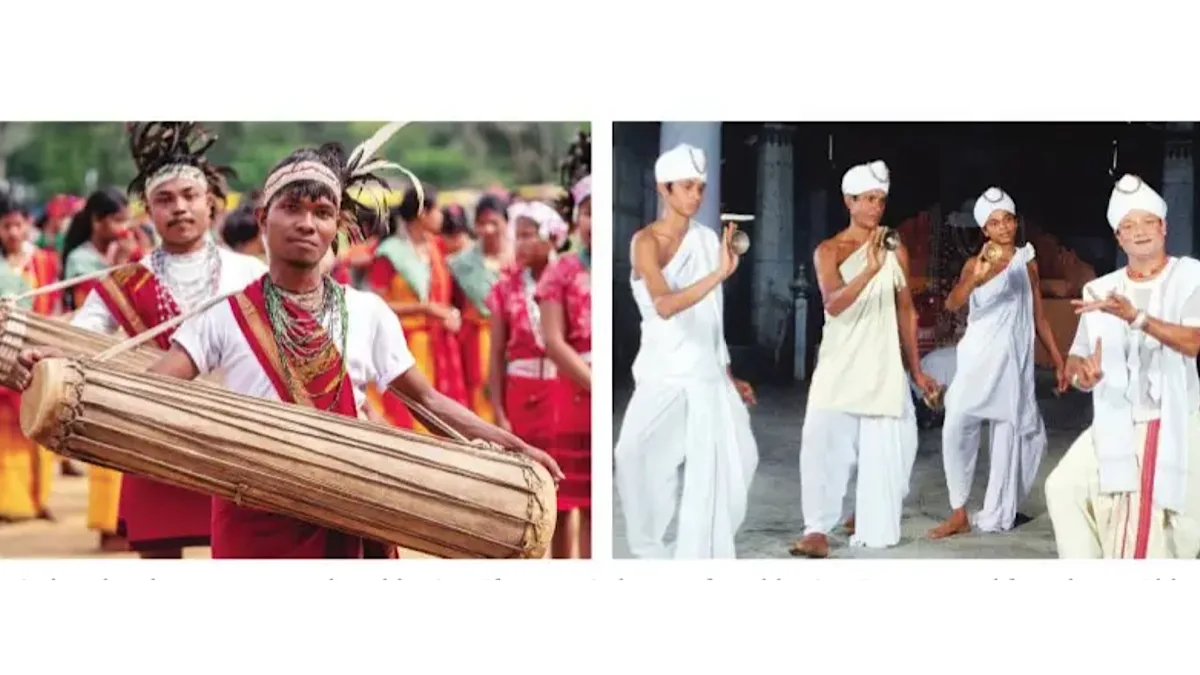
Photo:SNS
Before history was written down, it was sung. Ask someone to name a folk tradition from North-East India, and chances are they will pause. Yet for centuries, songs across the region have done far more than entertain. They have preserved stories, celebrated harvests, remembered heroes and carried the memory of entire communities from one generation to the next. Long before history found its place in books and archives, it lived in voices. Some of those voices still survive today. Their stories offer a glimpse into a world where memory was not stored on paper but passed on through song.
THE STORYTELLERS OF ASSAM
Advertisement
One such tradition is Oja-Pali, among Assam’s oldest forms of performance. Emerging centuries ago, it combined storytelling, music and drama at a time when manuscripts and religious texts were beyond the reach of most people. Through song and narration, audiences encountered tales of Rama, Krishna and the heroes of the Mahabharata, alongside episodes from the Bhagavata Purana and local legends that carried both religious teachings and cultural memory. At the centre of every performance stood the Oja, the lead storyteller, accompanied by the Palis, who responded in chorus. Together, they transformed storytelling into a communal experience. Villagers gathered not only to be entertained but also to learn. Through these performances, lessons of morality, faith and cultural identity found a place in everyday life. Today, Oja-Pali survives through festivals, cultural programmes and dedicated practitioners. While it no longer occupies the central place it once held in village life, it remains a powerful reminder of a time when stories were spoken, sung and shared rather than read. If Oja-Pali preserved stories, other traditions across the North-East served a different purpose. In Meghalaya, songs became a way of celebrating the land itself.
Advertisement
SONGS FOR THE HARVEST
For the Garo community of Meghalaya, Wangala songs emerged from the rhythms of an agricultural life. Sung during the Wangala festival, often known as the Hundred Drums Festival, they marked the end of the harvest season and expressed gratitude for nature’s abundance. These were not simply songs for celebration. Often sung in honour of Saljong, the Sun God associated with fertility and abundance, they reflected the relationship between a community and the land that sustained it. Accompanied by the beat of drums, they brought people together after months of labour, transforming gratitude into music and collective memory into tradition. Even today, Wangala remains one of Meghalaya’s most vibrant cultural celebrations. Yet the world that gave rise to these songs has changed. As younger generations move towards different occupations and lifestyles, the songs are increasingly encountered during organised festivals rather than in the everyday rhythms of village life. Still, each performance keeps alive a connection to a way of life that shaped generations. Yet not every song was born from celebration. Some emerged from the desire to remember extraordinary lives and deeds.
WHEN COURAGE BECAME SONG
In Mizoram, that role belonged to Hlado. Before written records became common, these traditional chants preserved stories of bravery, hunting achievements and significant events within the community. A successful hunt, an act of bravery or a moment that shaped the community could become a Hlado. Once sung, it would travel across generations, ensuring that the memory of an individual achievement became part of a shared history. In many ways, these chants served as living records, carrying stories long after the people who inspired them were gone. Although the social world that produced Hlado has changed, the tradition continues to hold an important place in Mizo cultural identity. Cultural organisations and performers continue to keep these chants alive, ensuring that the voices of the past remain part of the present.
THE FUTURE STILL SINGS
Though different in form and purpose, Oja-Pali, Wangala and Hlado share a common thread. One preserved stories, another celebrated community, while the third immortalised courage. Together, they reveal a time when songs served as archives, chronicles and living repositories of memory. The challenges they face today are undeniable. Modern entertainment, changing lifestyles and shifting cultural habits have altered the way people engage with traditional music. Yet this is not simply a story of loss. Across the North-East, artists, researchers and local communities continue to breathe life into these traditions. Festivals draw new audiences, cultural organisations document fading practices and digital platforms allow old melodies to travel further than ever before. What was once heard only within a village can now reach listeners far beyond the region. A tradition survives not because it is preserved behind glass, but because it continues to be practised. As long as voices are willing to sing and ears willing to listen, these songs will endure. Their future may still be unwritten, but their story is far from over
Advertisement