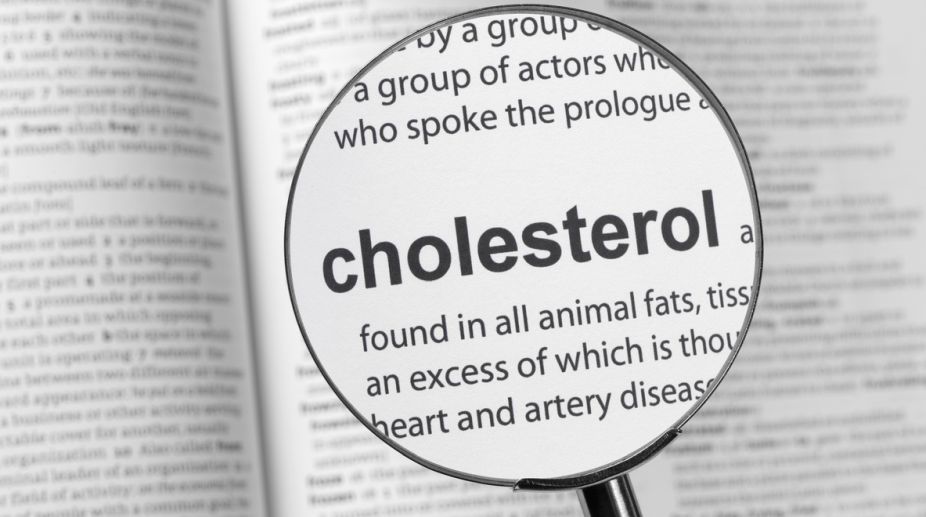
A new method of calculating so-called “bad cholesterol” levels has the potential to do away with the need to fast before blood is drawn for such screening, say researchers.
The study, published in the journal Circulation, suggests that the new method is more accurate than an older method in people who did not fast before the cholesterol test.
The new method for calculating LDL, or low-density lipoprotein, was developed by Seth Martin and colleagues at Johns Hopkins University School of Medicine in the US.
“Although the new LDL calculation method is a bit more complex, the beauty is that it can be performed using information that is already collected in the blood sample for the standard lipid profile and automated in the lab’s computer system to give a more accurate result,” Martin said.
Photo Source: Getty Images
“Since nonfasting samples are now accurate, it’s more convenient for patients because they can come in anytime and don’t need to return for a second appointment if they have eaten,” Martin added.
For the study, the researchers compared the accuracy of the new LDL calculation method with the Friedewald method, developed in the late 1970s when patients fasted or did not fast.
The Friedewald method was earlier shown by Martin and colleagues to underestimate LDL cholesterol levels, particularly in people with high triglycerides.
Triglycerides are fatty acids that tend to be higher in people with obesity and diabetes and that increase after eating.
The physicians did their comparison using data already gathered in a clinical repository.
Photo Source: Getty Images
In their final analysis, the researchers found that approximately 30 per cent of the nonfasting participants had greater than 10 milligrams per decilitre inaccurate cholesterol measurements using the Friedewald method compared with only three per cent error from the actual measured value with the new method.
The new test does not take any longer to provide results to physicians and patients, and the cost is the same to administer, the study said.
Police have invoked Section 125 of the Bharatiya Nyaya Sanhita against the anaesthetist following a complaint by the child's family, even as the hospital says an unexpected cardiac arrest occurred despite standard treatment protocols.
Once regarded as a journey marked by prolonged recovery, considerable discomfort, and months of rehabilitation, knee replacement surgery is entering a new era of precision and faster healing.
“Doctor, will my face ever go back to the way it was before?" The question sounds simple, but for many people living with Systemic Sclerosis, it carries an ocean of fear, uncertainty, and silent emotional trauma.