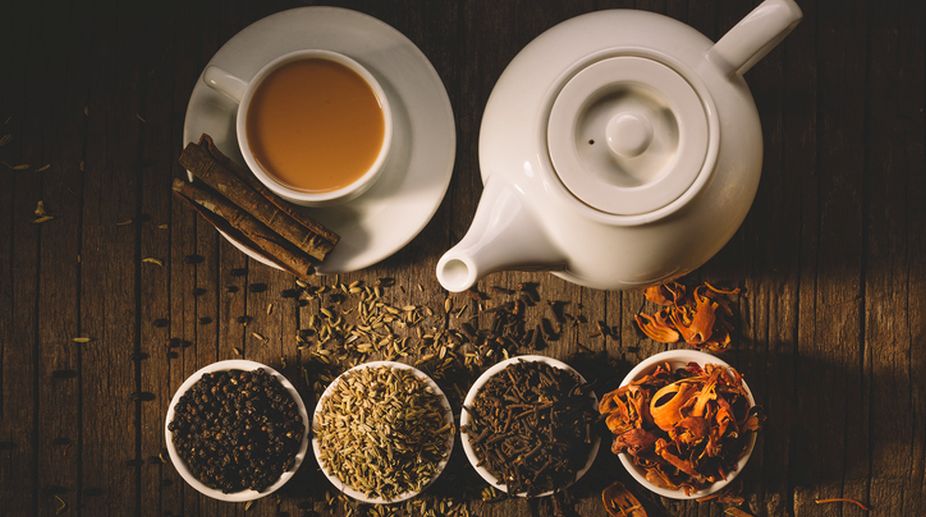
People are more likely to choose a daily cup of tea or a pill over exercise as the preferred treatment to control their high blood pressure, finds a survey.
In the survey, 79 per cent of respondents said they would be willing to take a pill for an extra month of life and 78 per cent said they would drink a daily cup of tea for one extra month of life.
Advertisement
However, only 63 per cent said they would be willing to exercise for an extra month of life.
Advertisement
“Our findings demonstrate that people naturally assign different weights to the pluses and minuses of interventions to improve cardiovascular health,” said lead author Erica Spatz, Assistant Professor at the Yale School of Medicine in Connecticut.
While “we are good about discussing side effects, rarely do we find out if other inconveniences or burdens may be impacting a person’s willingness to take a lifelong medication or to exercise regularly”.
Researchers asked nearly 1,500 US adults to imagine that they had high blood pressure and then asked about their willingness to adopt any of four “treatments” to gain an extra month, year or five years of life.
The “treatments” proposed were — a daily cup of tea, exercise, pills or monthly or semi-annual injections.
Only 68 per cent preferred taking semi-annual injections, if it would give them an extra month of life.
In addition, a mere 20 per cent wanted to achieve gains in life expectancy beyond what any of the individual interventions could provide.
Most survey respondents were under 45 and half were female and most had high blood pressure.
Hypertension is a leading risk factor for heart and blood vessel, or cardiovascular, disease. Yet, it is often called the silent killer because it causes no symptoms.
The American Heart Association recommends getting regular physical activity, in addition to other lifestyle changes including eating a healthy diet, limiting alcohol, managing stress, maintaining a healthy weight and quitting smoking.
Police have invoked Section 125 of the Bharatiya Nyaya Sanhita against the anaesthetist following a complaint by the child's family, even as the hospital says an unexpected cardiac arrest occurred despite standard treatment protocols.
Once regarded as a journey marked by prolonged recovery, considerable discomfort, and months of rehabilitation, knee replacement surgery is entering a new era of precision and faster healing.
“Doctor, will my face ever go back to the way it was before?" The question sounds simple, but for many people living with Systemic Sclerosis, it carries an ocean of fear, uncertainty, and silent emotional trauma.