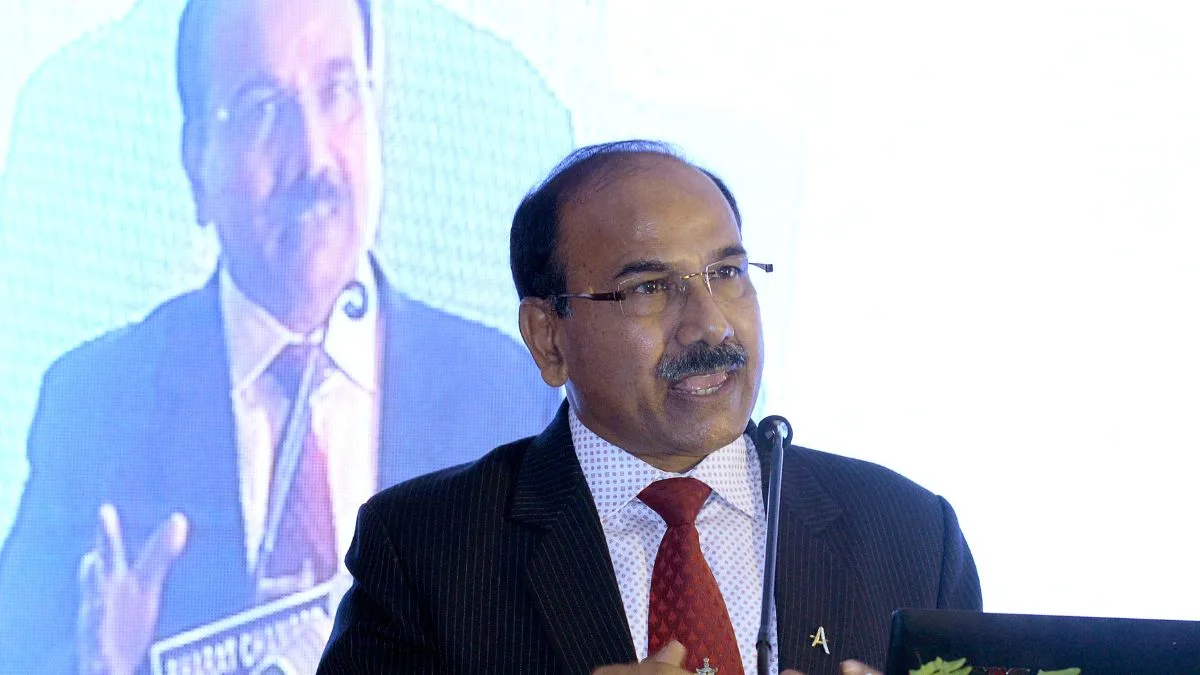
BJP candidates Tarun Chugh, Rajneesh Agrawal file papers for Rajya Sabha seats in MP
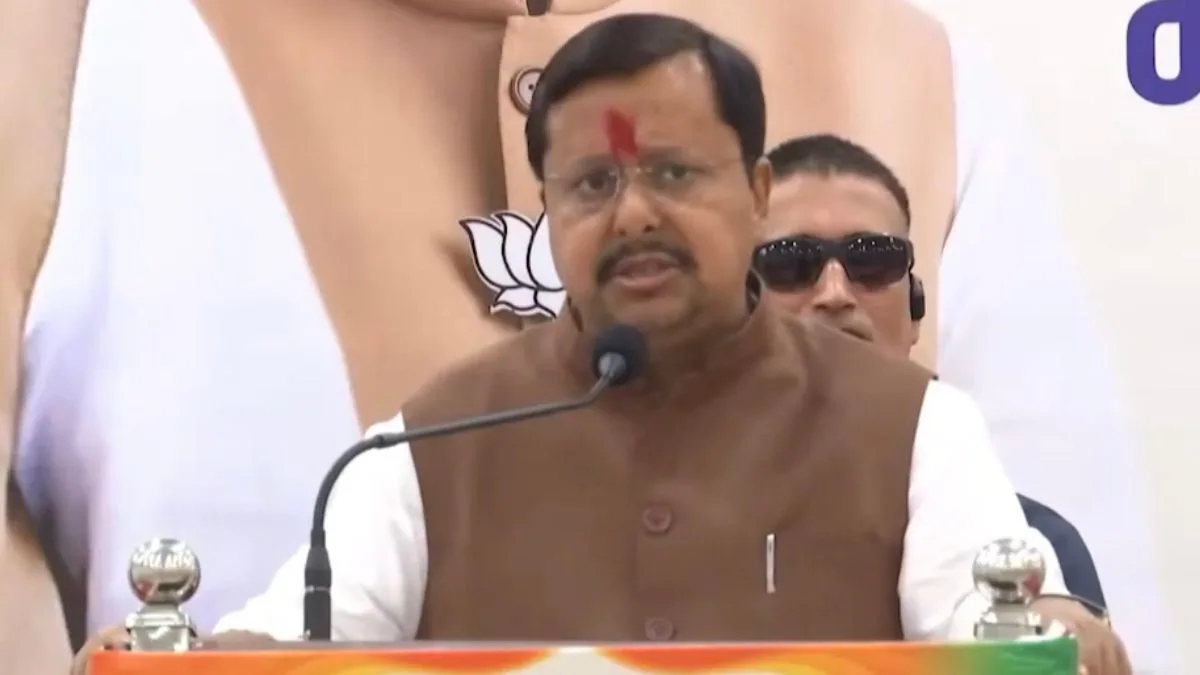
BJP candidates Tarun Chugh and Rajneesh Agrawal filed their nominations for Rajya Sabha seats at the MP Assembly Secretariat in Bhopal on Saturday.
Decoding the SP’ s new concept of building a “quasi-cadre” party around the “PDA” formula. PDA is an acronym coined by Akhilesh Yadav for ‘Picchde, Dalit, Alpsankhyak’ (backwards, Dalits and minorities) in the state; “quasi-cadre” party is built on “interpersonal relation and appeal of top leader along with hierarchical structure.”





Samajwadi party flag
The road to India’s heart—Delhi—goes via Uttar Pradesh, the state that sends the largest number of 80 MPs to the Lok Sabha. And though the state Assembly elections are expected in early 2027, preparations for them have started by the ruling BJP as well as its key contender—the Samajwadi Party.
The aim is to transform the regional caste-based party into a “quasi-cadre party” centred on the PDA formula, an effort that began around 2023. Samajwadi Party and its chief Akhilesh Yadav tasted the first fruits of the effort in the 2024 Lok Sabha elections when the people of UP rewarded the regional party with as many as 37 Lok Sabha MPs, one its best-ever performances in a general election in the state.
Advertisement
Samajwadi leader Sudhir Panwar describes 2024 as a result of Yadav’s efforts to transform the “mass-based party” into a “quasi-cadre” party with a new, dedicated organisational structure on the ground.
Advertisement
Basically, the Samajwadi Party was building something like the BJP and its cadre-based election machinery running down to ‘panna pramukhs’, and all working around a common ideology. In the past three years, the regional party has held multiple training camps for workers across the state to diffuse the PDA ideology among the masses and equip the cadre with arguments to counter rivals. Leaders worked on reconstituting booth committees in constituencies by inducting new workers and replacing those either inactive or who had jumped ship.
“The revamping of the Samajwadi Party is evident during the special intensive revision (SIR) process in UP; even BJP leaders accepted that publicly. Akhilesh Yadav has transformed the Samajwadi Party from a traditional mass-based party into a quasi-cadre party, retaining the mass appeal of leadership with a structural framework at every booth. The party structure can be reviewed by the central office on a real-time basis through an online dedicated platform, and the party can mobilise its cadre on any issue within hours, from Mirzapur to Kairana, at any and every booth,” explains Professor Panwar.
Incidentally, PDA is an acronym coined by Akhilesh Yadav for ‘Picchde, Dalit, Alpsankhyak’ (backwards, Dalits and minorities) in the state and a “quasi-cadre” is a party built on “interpersonal relation and appeal of top leader along with hierarchical structure.” Through Lok Jagran Abhiyan (Public Awareness Campaign) in 2023, Yadav addressed cadres along with domain experts within the party on reaching out to the public with facts, which paid in 2024, say SP leaders.
The 2024 election made the party more confident; at the same time, the leadership is aware that winning UP in 2027 will be a tough battle against the BJP behemoth, especially with a saffron agenda built around ‘Hindutva, development and law and order’ and supported by the personal appearance of Prime Minister Narendra Modi and Chief Minister Yogi Adityanath.
The plan, therefore, is to push the PDA narrative along with development and the work done by the SP government between 2012 and 2017, augmented with a strong cadre base on the ground. This year, Yadav will be concentrating on identifying winnable seats and leaders who can win, along with taking the crucial call on whether to continue the alliance with the Congress in the upcoming Assembly elections.
Advertisement