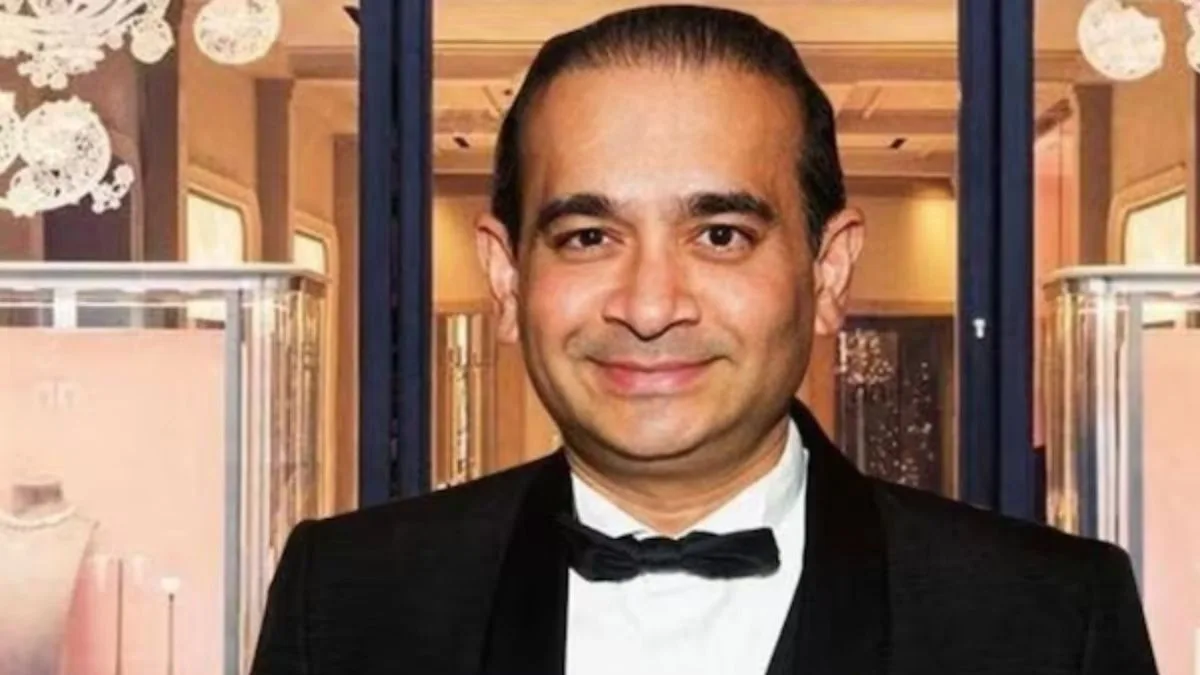
In what could be the final chapter of his long legal saga abroad, fugitive diamond merchant Nirav Modi saw his latest attempt to dodge extradition to India fail in London. The UK High Court of Justice, King’s Bench Division, Divisional Court, on Wednesday, rejected Modi’s application to reopen proceedings against his extradition order in connection with the massive Punjab National Bank (PNB) fraud case, worth over Rs 13,800 crore.
Modi’s lawyers had hoped to use new evidence suggesting he might face torture or ill-treatment in India. They argued that these risks made reopening his appeal necessary. The plea filed on August 18, 2025 leaned heavily on previous UK ruling in Sanjay Bhandari case. It highlighted possible human rights dangers for high-profile detainees extradited to India.
Advertisement
But the judges were not convinced. In a message to the fugitive businessman, the court said it was “not necessary to re-open this appeal in order to avoid real injustice”, and the circumstances did not qualify as “exceptional.”
Assurances from India seal the deal
The court’s decision relied on a string of detailed assurances from the Government of India, which the judges described as “comprehensive, detailed and reliable.” These assurances, formalised in a note verbale from the Indian High Commission on February 12, 2026, were central to the court’s confidence.
Among the key promises:
- Modi’s extradition is solely for judicial trial purposes in India.
- He will not be interrogated by the CBI, Enforcement Directorate (ED), or any other agency.
- Modi will remain in Mumbai’s Arthur Road Prison, with no transfer to other jails.
- Courts in India will have access to fully functional video conferencing facilities for his appearances.
Nirav Modi’s UK legal maze
Since his arrest in London on March 19, 2019, Modi has been held in HMP Wandsworth. The UK Home Secretary first approved his extradition in 2021, and subsequent appeals have all been systematically dismissed.
In a parallel saga, Modi’s uncle, Mehul Choksi, also a fugitive diamantaire, faced a similar legal dead-end in Europe. The Court of Cassation in Belgium recently dismissed his appeal against extradition to India, calling his objections “lacking substance.”
Choksi had failed to show any legal or factual reason to overturn earlier orders permitting his surrender.