BJP writes history of Kozhikode Corporation winning post of chairperson of tax affairs standing committee
The saffron party chlinched this victory through a draw held after an LDF member abstained from voting
The committee has described fake news as a serious global concern that threatens public order and undermines the democratic process.




File Photo: IANS
“Media organisations must implement fact-checking mechanisms to combat fake news,” recommended the Parliamentary Standing Committee on Communications and Information Technology in its latest report.
The committee has described fake news as a serious global concern that threatens public order and undermines the democratic process. To address the issue, it has proposed stricter penalties, amendments to existing laws, and increased fines. It also recommended assigning defined responsibilities to media organisations through a mandatory fact-checking framework.
Advertisement
According to the report, the Ministry of Information and Broadcasting should ensure that all print, digital, and electronic media organisations establish an internal fact-check mechanism and appoint an ombudsman.
Advertisement
The report has been submitted to Lok Sabha Speaker Om Birla and is likely to be tabled in the Winter Session of Parliament in 2025. It has also been shared with the Ministry of Electronics and Information Technology, which is being reviewed by the panel.
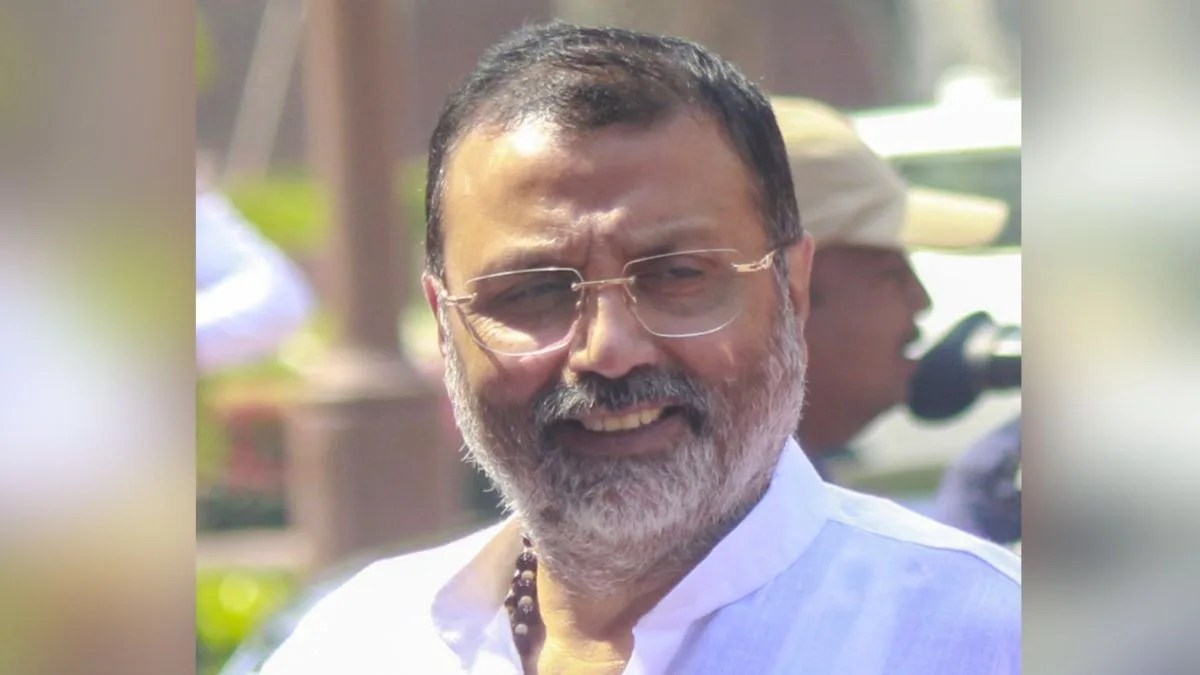
The committee, chaired by BJP MP Nishikant Dubey, emphasized the need for collaborative efforts between the government, private sector, and independent fact-checkers to combat misinformation. It unanimously agreed that companies, platforms, editors, and publishers must be held accountable for the spread of false information, while owners and publishers should be liable for institutional failures.
Sources indicated that the committee has also recommended clearer definitions of “misinformation” and “fake news” within the regulatory framework, stressing that this must be balanced with the constitutional right to freedom of expression.
Key recommendations include mandatory fact-checking mechanisms across all forms of media; appointment of internal ombudsman in media organisations; accountability for editors, publishers, and platforms; stronger punitive provisions in law to deter the creators and distributors of false news; and national and international cooperation to counter misinformation, particularly related to border areas and elections.
The committee suggested forming a small inter-ministerial body comprising legal experts and representatives from the Ministries of Information and Broadcasting, Home Affairs, and Electronics and Information Technology to address misinformation at the national level.
In a post on the social media platform X, Nishikant Dubey shared examples of false information targeting the coalition and reiterated the committee’s call for strict action. He stated that the recommendations include provisions to counter AI-generated fake content, especially those concerning women and children.
“We will not allow India to become like Bangladesh, Nepal, Sri Lanka, or Thailand. Strict measures will be taken against anti-national forces spreading propaganda,” he added.
Advertisement