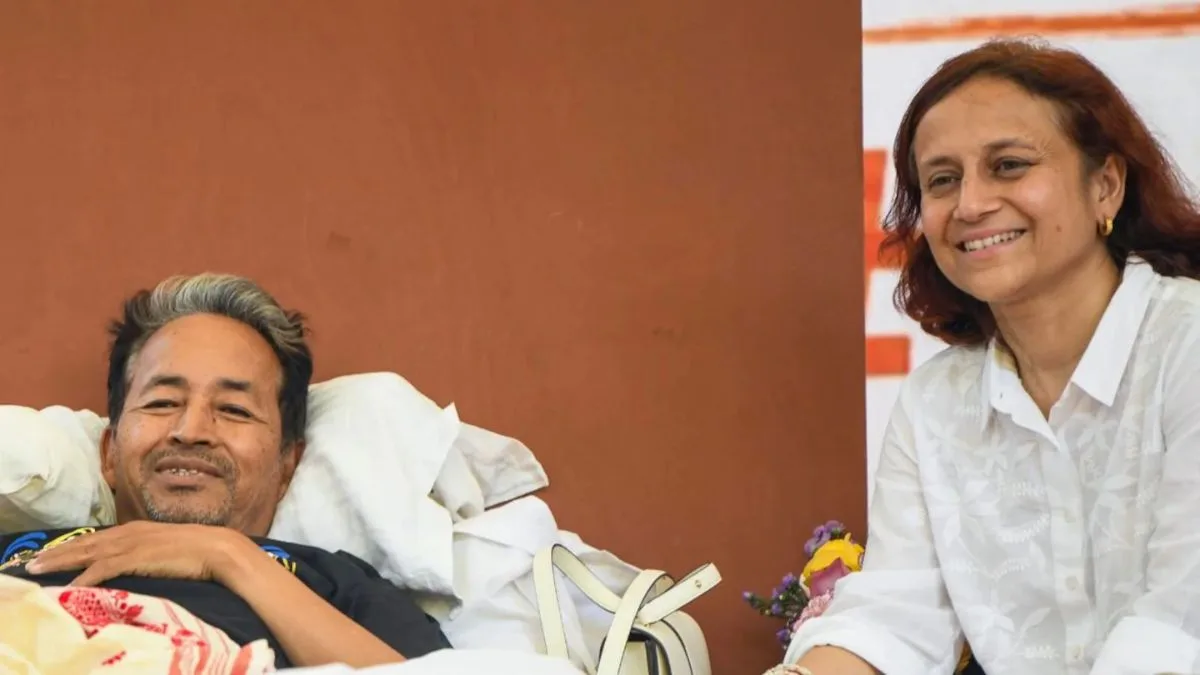
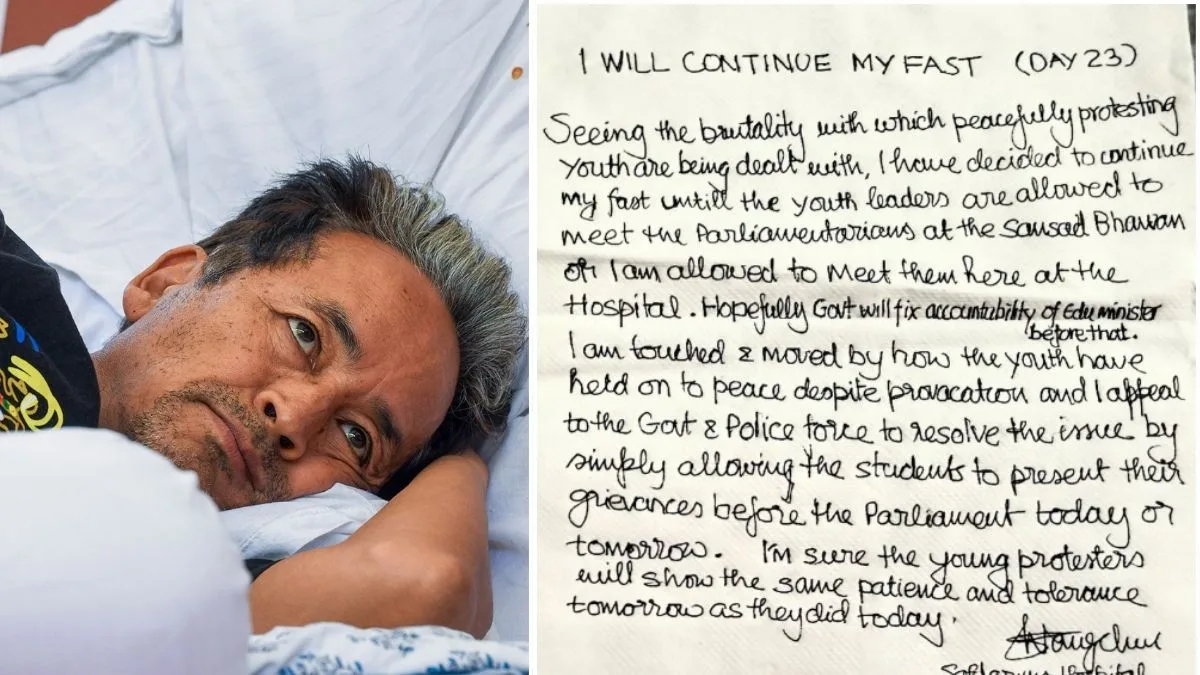
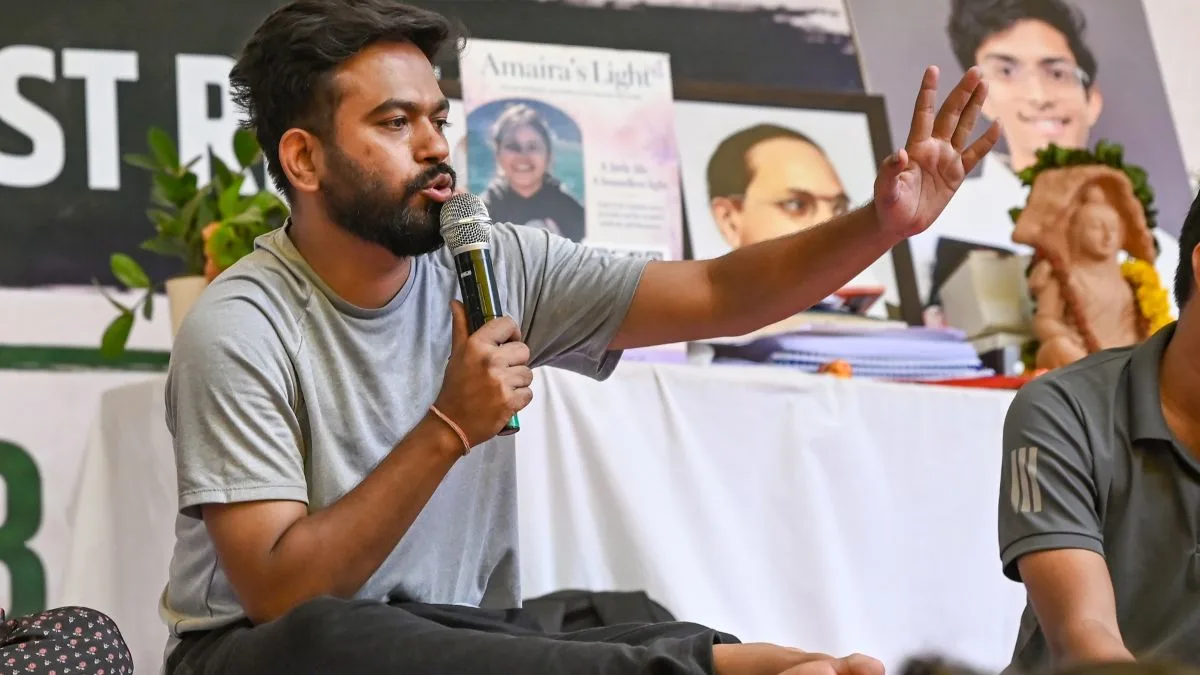
Sonam Wangchuk’s fight over who gets to decide his medical treatment just moved up a level. A day after the Delhi High Court turned down his request to be shifted out of Safdarjung Hospital and into a private facility, his wife, Gitanjali J. Angmo, went straight to the Division Bench with an appeal against that ruling.
Her case rests on a simple argument: the order handed control of Wangchuk’s treatment to the doctors at Safdarjung rather than to him or his family, and that, she says, tramples on his right to bodily autonomy, informed consent and personal liberty. His lawyers are pushing for an urgent hearing.
Advertisement
What the appeal actually says
The appeal takes aim at the July 19 order from Justice Mini Pushkarna’s single-judge bench. Angmo’s petition argues the court didn’t give enough weight to a well-established legal principle — that a mentally competent adult gets to decide for himself whether he wants treatment, or wants to refuse it, or wants to stop it partway through.
It also points out something that sounds almost contradictory: the High Court itself said Wangchuk isn’t under arrest or in detention, yet he’s effectively stuck inside Safdarjung with no legal order actually requiring him to be there. The petition says that leaves him unable to make his own medical calls, and warns that any intervention forced on him without consent — even something as basic as being fed — would breach his Article 21 rights.
To back this up, the appeal leans on two Supreme Court precedents: Common Cause vs Union of India and Samira Kohli vs Dr. Prabha Manchanda. Both, the petition says, affirm that a competent patient’s informed consent is required before treatment, with exceptions only in genuine emergencies.
The hunger strike angle
There’s a protest dimension to this too. The appeal argues that keeping Wangchuk in the hospital is, in effect, stopping him from continuing his hunger strike at Jantar Mantar — which he sees as a violation of his rights under Articles 19 and 21. It cites the Supreme Court’s Ramlila Maidan ruling, which recognized hunger strikes as a legitimate form of peaceful protest, and argues that protest can’t be shut down by keeping someone hospitalized unless they’ve actually been lawfully detained.
The petition also raises questions about how he ended up in the hospital in the first place — claiming nobody consulted him before he was moved there from the protest site, and that neither he nor his wife had any say in which hospital or which doctors would treat him. It further claims there’s no real evidence his condition had deteriorated to the point where emergency intervention was unavoidable, and argues that if the government genuinely believed that was the case, it should have gone to court for permission before moving him at all.
What Angmo is asking the Division Bench for is straightforward: scrap the July 19 order, and let Wangchuk move to a private hospital of his choosing, with his rights around treatment, consent and liberty protected throughout. Senior counsel is expected to mention the matter for urgent listing.
Why the single judge said no
Justice Pushkarna’s refusal to grant interim relief on July 19 came down to this: she didn’t see a prima facie case of Wangchuk’s liberty being violated, since the government moved him to Safdarjung specifically to protect his life after his condition worsened. By that point, he’d been on hunger strike for roughly 17 to 18 days, and the shift followed an earlier July 16 order from a Division Bench that had already directed daily medical monitoring and intervention where necessary.
The court also looked at the medical picture presented by the Union government and doctors from both Safdarjung and AIIMS. His blood sugar and sodium were running below normal, and his potassium levels were at a point where they could trigger life-threatening complications. Notably, the government told the court IV fluids hadn’t been given because Wangchuk hadn’t consented to them — doctors were sticking to only the medicines and oral electrolytes he’d agreed to. On that basis, the court concluded there was no evidence of force being used or his bodily autonomy being overridden.
The bench also noted the government’s assurances: Wangchuk’s wife, brother and brother-in-law have round-the-clock access to visit him, a separate room has been set aside for the family, and Additional Solicitor General Chetan Sharma promised his medical reports would be shared with them regularly.
With no grounds found for interim relief, the court ordered the Union government to submit a status report within three days, and the case is now set for its next hearing on July 24.