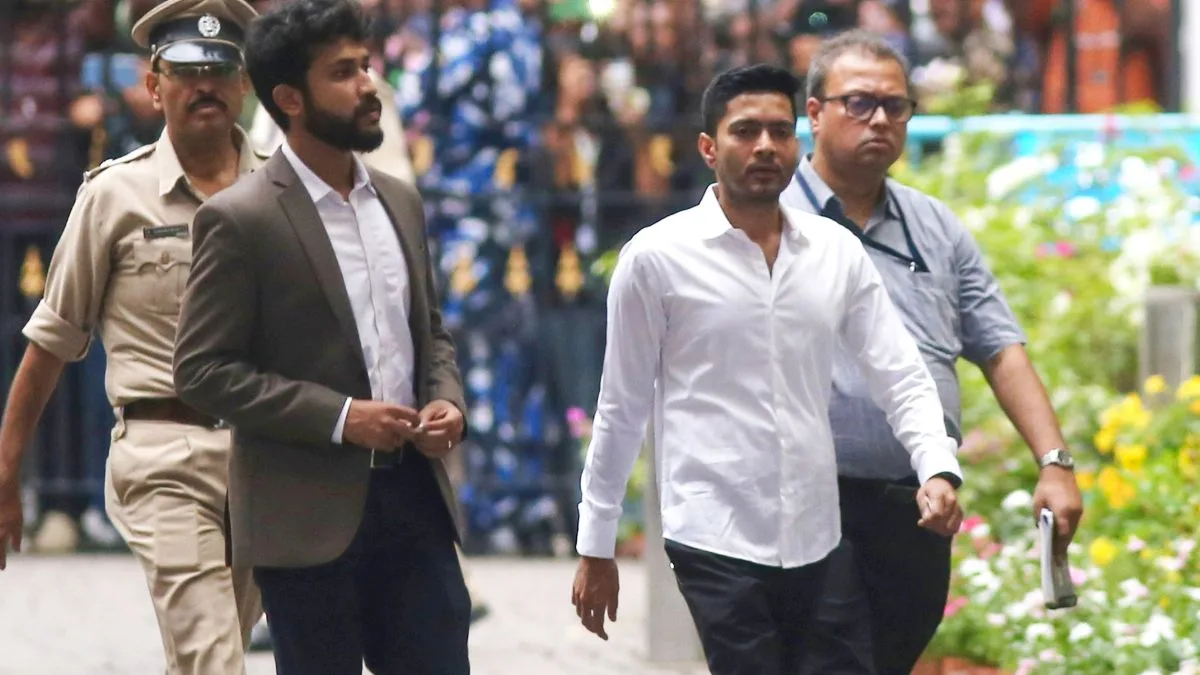
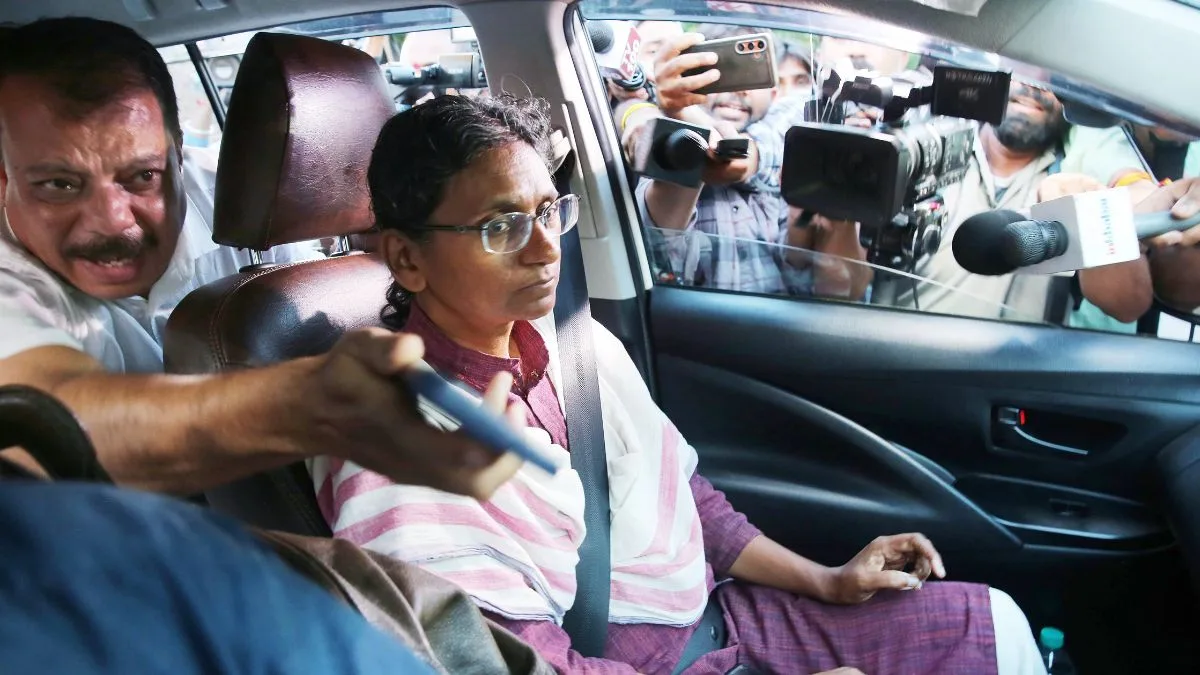
The Supreme Court on Monday agreed to list for hearing on July 10 a batch of petitions including those filed by the NGO Association for Democratic Reforms (ADR), TMC MP Mahua Moitra, RJD MP Manoj Jha, and civil society activist Yogendra Yadav, challenging the Election Commission of India’s (ECI) decision to carry out a Special Intensive Revision (SIR) of the electoral rolls in Bihar ahead of the upcoming assembly elections.
The matter was mentioned before a vacation bench comprising Justice Sudhanshu Dhulia and Justice Joymalya Bagchi by Senior Advocate Kapil Sibal, who sought an urgent hearing in view of the July 25 deadline set for voters to furnish proof of citizenship under the new ECI directive.
Advertisement
Senior advocates Abhishek Manu Singhvi, Gopal Sankaranarayanan, and Shadan Farasat, representing various petitioners, were also present during the mentioning.
The petitions seek a stay on the ECI’s June 24 order and ultimately its quashing, alleging that it violates fundamental rights under Articles 14, 19, 21, 325, and 326 of the Constitution. The petitioners also contend that the move contravenes the Representation of the People Act, 1950, and Rule 21A of the Registration of Electors Rules, 1960.
According to the petitions, the directive places an undue burden on voters to furnish fresh documentation, disproportionately impacting rural, poor, and marginalized communities in Bihar. The exclusion of widely held documents like Aadhaar and ration cards as valid proof of identity is particularly prejudicial, they argue.
The ADR petition highlights the “unreasonably short timeline” of July 25 for document submission and warns that this could lead to the mass disenfranchisement of genuine voters.
“The documentation requirements of the directive, the lack of due process, and the unreasonably short timeline for the said Special Intensive Revision of Electoral Rolls in Bihar make it highly likely that lakhs of genuine voters will be removed from the rolls, resulting in their disenfranchisement,” the petition states.
Under the SIR, voters not listed on the 2003 electoral rolls must submit proof of citizenship. For those born after December 2004, documents of both parents are also required. In cases where a parent is a foreign national, their passport and visa at the time of the applicant’s birth must be submitted, a condition ADR describes as impractical, especially in a state with historically low birth registration levels.
The petition estimates that over three crore voters in Bihar may not meet the documentation criteria and risk being struck off the rolls.
Crucially, the petition argues that the ECI’s order lacks recorded reasons, as required under Section 21(3) of the Representation of the People Act, 1950, which permits special revisions only when justified by recorded reasons.
It further points out that a Special Summary Revision was already conducted between October 2024 and January 2025, with no reported irregularities, raising questions about the timing and intent behind the current drive.
The ADR petition, filed through advocate Prashant Bhushan, urges the Court to intervene urgently to prevent the large-scale exclusion of voters ahead of the elections.