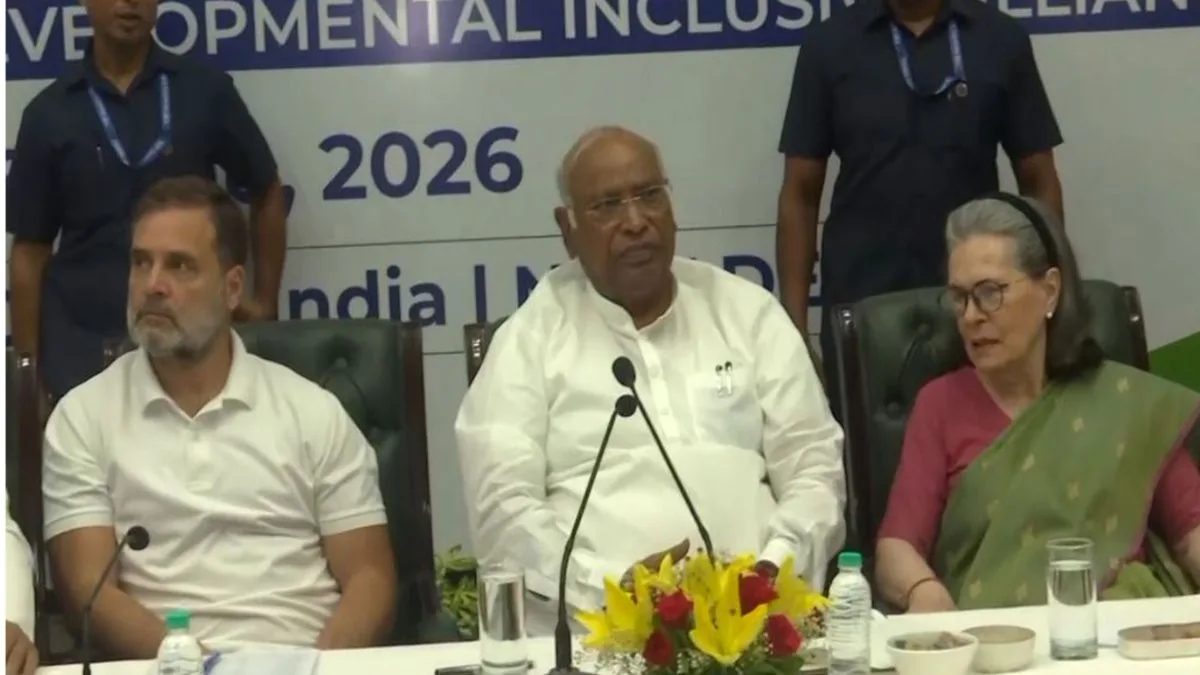
Senior Congress leader and Lok Sabha Leader of Opposition Rahul Gandhi on Sunday launched a sharp critique of the Centre’s proposed trade agreement with the United States, alleging that it could compromise the interests of Indian farmers.
In a post on X, Gandhi said, “In the name of a US trade deal, we are witnessing a betrayal of India’s farmers,” while posing pointed questions to Prime Minister Narendra Modi regarding the possible implications of agricultural imports under the proposed pact.
Advertisement
Referring to the reported import of Distillers Dried Grains (DDG), Gandhi asked, “What does importing DDG actually mean? Does it mean Indian cattle will be fed distillers grain made from genetically modified (GM) American corn? Would this not make our dairy products dependent on the US agricultural industry?”
He also expressed concern over the potential import of genetically modified soybean oil, warning of possible price shocks for domestic producers. “If GM soybean oil imports are allowed, what will happen to soybean farmers in Madhya Pradesh, Maharashtra, Rajasthan, and across India? How will they cope with another price shock?” he asked.
Raising further questions about the scope of the negotiations, Gandhi sought clarity on the term “additional products,” asking whether it could lead to future pressure to allow imports of pulses and other crops.
He also voiced apprehension about the removal of “non-trade barriers,” questioning whether India might be asked to dilute its policies on GM crops, procurement systems, minimum support price (MSP), and bonuses.
Highlighting long-term concerns, Gandhi said, “Once the door is opened, how will we stop it from being pushed wider each year? Will safeguards be in place, or will more crops be added to negotiations over time?”
He concluded his remarks with the hashtag #FarmersFirst, urging transparency and clear assurances for farmers.
India and the United States are continuing discussions to expand bilateral trade, including in the agricultural sector. While the government maintains that trade agreements are designed to protect national interests, opposition parties have expressed concerns over their potential impact on domestic farmers, particularly in dairy, edible oils, and pulses.