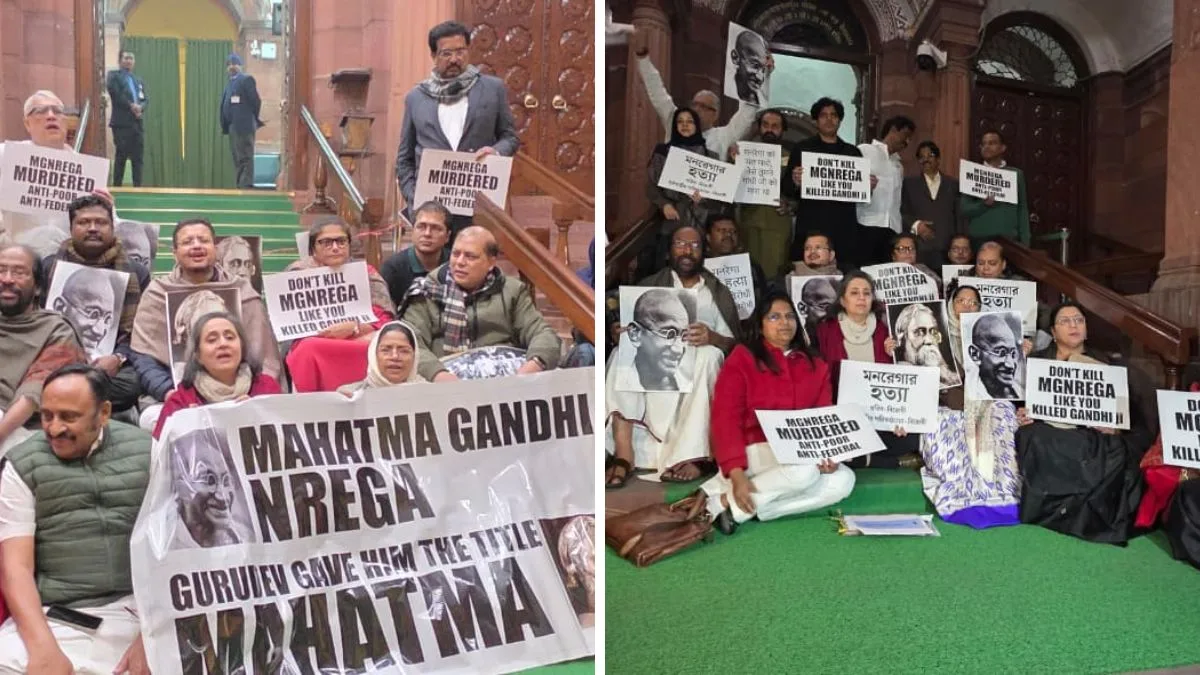
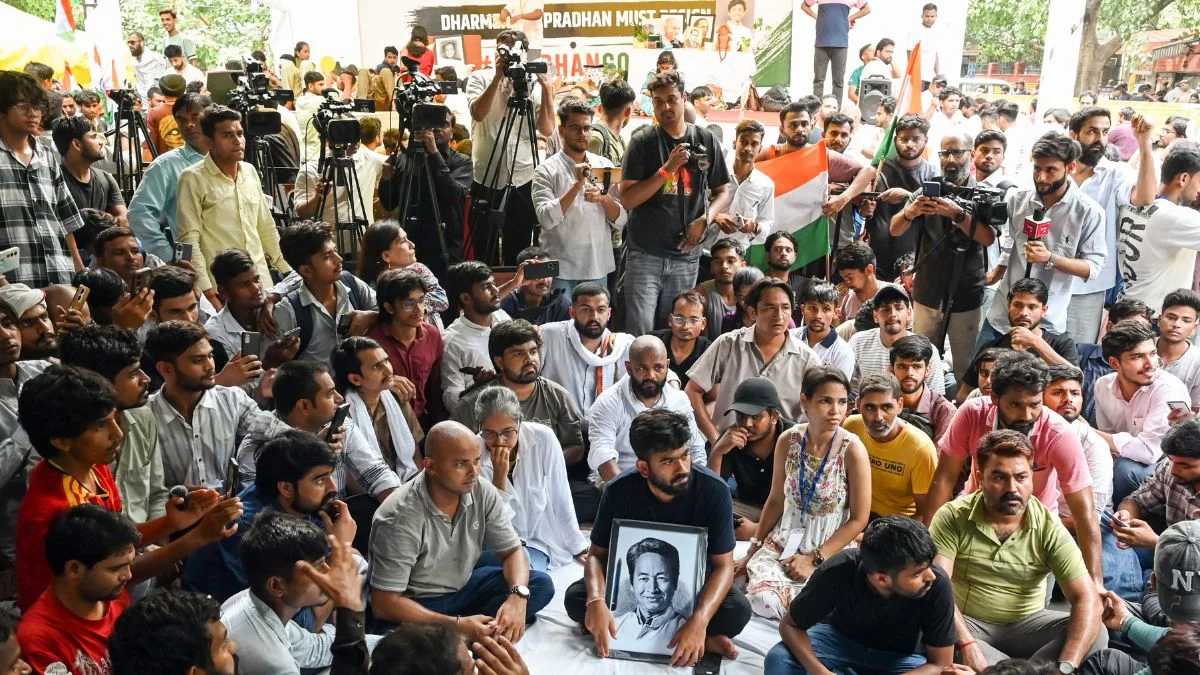
Opposition parties held an overnight protest inside the Parliament complex, staging a 12-hour dharna to oppose the passage of the Viksit Bharat Guarantee for Rozgar and Ajeevika Mission (Gramin) Bill, which seeks to replace the Mahatma Gandhi National Rural Employment Guarantee Act (MGNREGA) rural employment scheme.
The sit-in began in the intervening night of December 18 and 19, immediately after the Rajya Sabha adjourned following the Bill’s midnight passage, and is scheduled to continue till 12 noon on Friday, according to Trinamool Congress sources.
Advertisement
Leaders said the protest would be followed by nationwide street demonstrations.
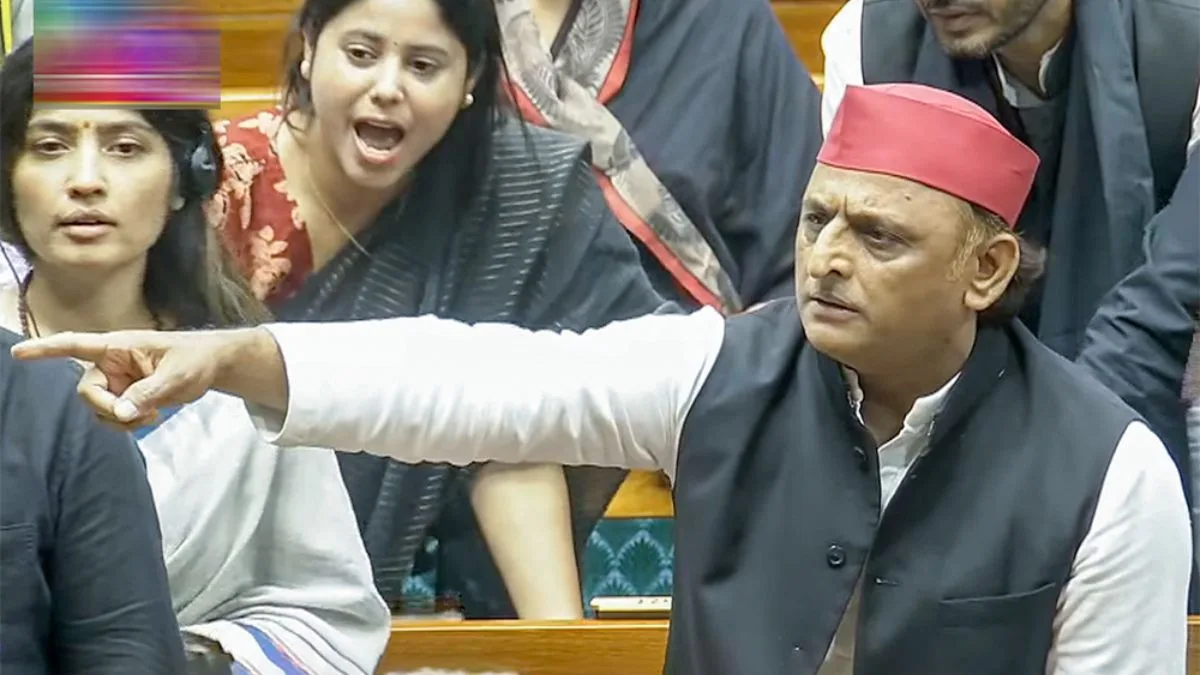
Members of Parliament from the Trinamool Congress and other INDIA bloc parties converged at the steps of the old Parliament building and later at the Prerna Sthal, holding placards and raising slogans throughout the night. Posters reading “Don’t kill MGNREGA like you killed Gandhi ji” were prominently displayed during the protest.
Trinamool Congress Rajya Sabha deputy leader Sagarika Ghose accused the Centre of forcing the VB-G RAM G Bill through Parliament without adequate discussion. The legislation was cleared amid sustained opposition protests, with the Rajya Sabha approving it after midnight through a voice vote.
Ghose alleged that the Modi government had pushed through what she described as an “anti-poor, anti-people, anti-farmer, anti-rural poor” law, effectively scrapping MGNREGA. She said the Bill was circulated to MPs with barely five hours’ notice, leaving no scope for meaningful debate.
She added that the Opposition had demanded the Bill be referred to a Select Committee so that stakeholders and political parties could examine its implications. Ignoring this demand, she said, amounted to an assault on parliamentary democracy. Calling the legislation a “black law”, Ghose said the overnight dharna was meant to register strong opposition to its passage.
“This is an insult to India’s poor, it is an insult to Mahatma Gandhi, it is an insult to Rabindranath Tagore,” Ghose said.
Why was government in a tearing hurry on VB-G RAM G Bill
What the opposition says the new law changes
Opposition MPs also objected to key provisions of the new legislation, including changes to the funding structure. Under the VB–G RAM G Bill, states will have to bear 40 per cent of the wage cost, compared to zero contribution under MGNREGA. Leaders from several states argued that the shift would place a heavy financial burden on state governments and weaken the scheme’s viability. They also flagged concerns over a proposed 60-day pause in work during harvest seasons, saying it would deprive rural workers of a critical safety net.
Congress general secretary Randeep Singh Surjewala termed the passage of the Bill a “sad day” for the country’s labourers, alleging that the government had jeopardised the livelihoods of around 12 crore people by doing away with MGNREGA. He accused the BJP-led Centre of being anti-farmer and anti-poor.
Congress leader Mukul Wasnik said MGNREGA had been framed after 14 months of consultations and passed by Parliament with broad consensus. He warned that the new scheme would shift financial responsibility onto states, making it unsustainable in the long run.
Dravida Munnetra Kazhagam (DMK) leader Tiruchi Siva also criticised the move, alleging a symbolic erasure of Mahatma Gandhi’s legacy. He said statues of Mahatma Gandhi and B.R. Ambedkar had earlier been moved to less visible areas within the Parliament complex, and that removing Gandhi’s name from a flagship rural employment programme had further deepened Opposition anger.
The government, however, has defended the VB–G RAM G Bill, saying it represents a modern overhaul of the rural employment framework. Union Minister Shivraj Singh Chouhan said the new law increases guaranteed employment from 100 to 125 days and aligns with Mahatma Gandhi’s vision of Gram Swaraj by creating durable assets and using technology to curb corruption.