Gadkari stresses the need for honest political leaders
Gadkari addressed a function at Vidisha in Madhya Pradesh, where he laid the foundation stones for new road projects and inaugurated others worth thousands of crores of rupees.
Seed Act to protect from fake, poor-quality seeds, farmers will continue to have the right to save, use, exchange and share seeds at the local level, a system deeply rooted in rural India, says Agriculture Minister




File Photo: IANS
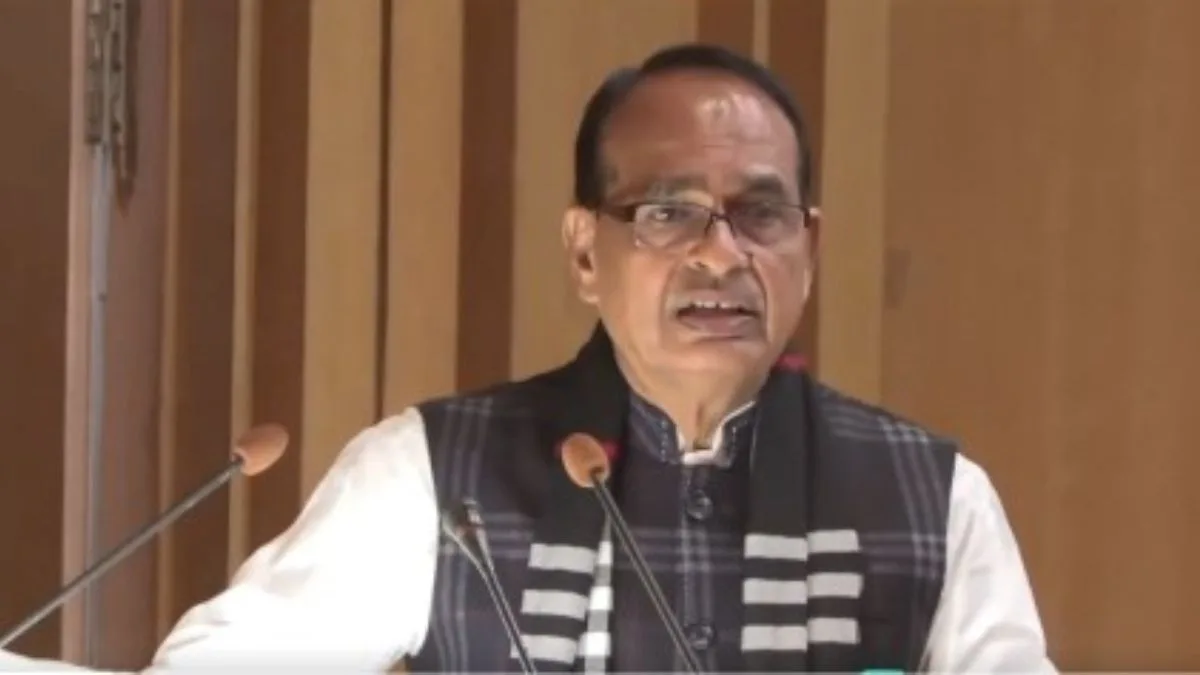
Government will bring the Seed Act, 2026, to replace the Seeds Act of 1966 in the upcoming Budget Session of Parliament. Agriculture and Farmers Welfare Minister Shivraj Singh Chouhan said that the new legislation aims to curb the sale of poor-quality, fake, and unauthorised seeds and ensure high-quality, certified seeds for farmers by strengthening enforcement against substandard inputs and promoting climate-resilient varieties.
The proposed law also introduces stringent penalties for violations. Sellers found guilty of deliberately producing or selling inferior seeds could face fines of up to Rs 30 lakh and imprisonment of up to three years. The minister noted that the existing penalty of Rs 500 under the old law was inadequate and failed to deter offenders.
Advertisement
The new law will also ensure full traceability, so farmers can know where the seeds came from and who supplied them. Addressing concerns among farmers, Chouhan clarified that the new Act will not restrict traditional seed practices.
Advertisement
Farmers will continue to have the right to save, use, exchange and share seeds at the local level, a system deeply rooted in rural India. “Farmers can sow their own seeds and share seeds with other farmers. The traditional system of local seed exchange will continue without any problem,” he said.
This tradition will remain intact, “Our goal is simple, to ensure that every farmer gets the right seed—safe, reliable, and productive,” he added, calling it an important step towards safeguarding farmers’ interests and ensuring seed quality with strict provisions against the sale of fake and substandard seeds while protecting traditional practices.
A key feature of the proposed law is the introduction of a seed traceability system, under which every seed packet will carry a QR code. By scanning the code, farmers will be able to access complete information about the seed, including its origin, production details, and the dealer involved in its sale.
According to the minister, this system will ensure that fake or poor-quality seeds are identified immediately and that responsibility is fixed without delay. To further strengthen regulation, mandatory registration of all seed companies has been proposed. Only registered and authorised companies and sellers will be allowed to operate in the market, effectively eliminating fake firms and unauthorised vendors. “Once this system is in place, substandard seeds will not enter the market, and if they do, they will be caught,” Chouhan said.
Replacing the outdated Seed Act of 1966, the new legislation is designed for the digital age, with a focus on traceability, data-driven monitoring, and farmer protection. Chouhan also emphasised that agriculture remains a state subject and that the powers of state governments will remain unchanged.
Advertisement