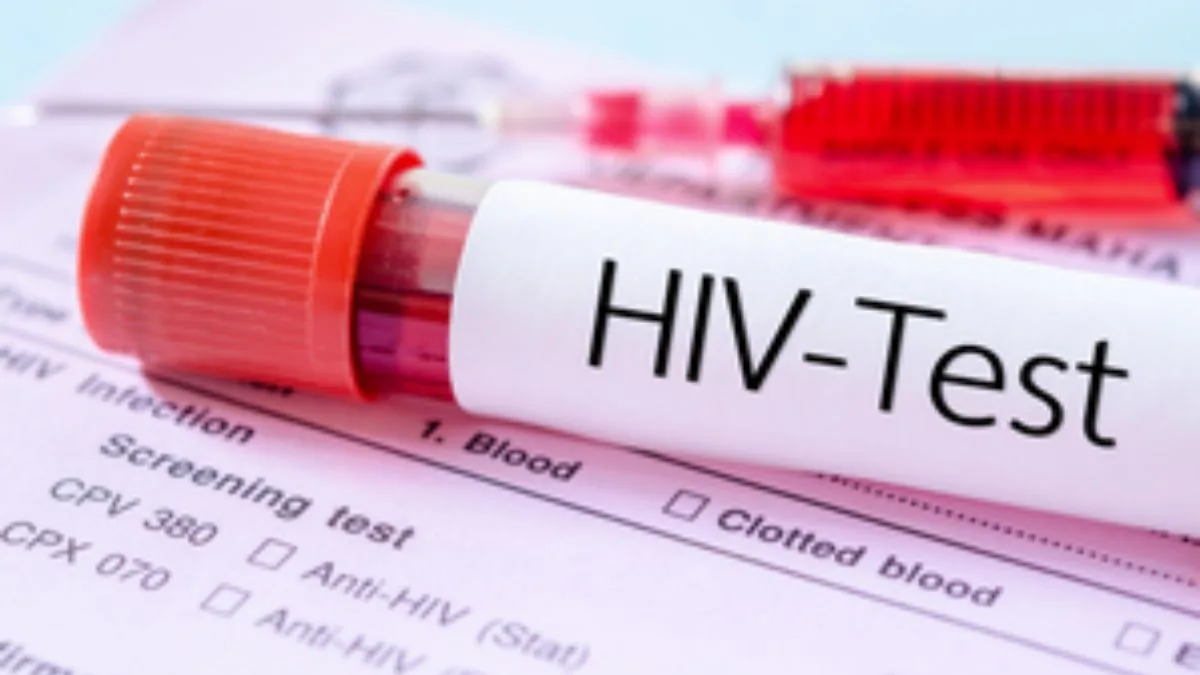
Meghalaya Health Minister Dr. Ampareen Lyngdoh has sounded alarm over a HIV/AIDS crisis in the state, calling it a “full-blown epidemic” in some regions.
“The real crisis is unfolding in the Jaiñtia Hills. This is no longer a looming threat—it’s a full-blown epidemic,” she warned.
Advertisement
Amid this growing health emergency, the state government is seriously considering a controversial step: making premarital HIV testing mandatory.
The proposal gains urgency in light of Meghalaya ranking sixth nationally in HIV/AIDS prevalence, with East and West Jaiñtia Hills identified as major hotspots.
A high-level meeting chaired by Deputy Chief Minister Prestone Tynsong, and attended by Social Welfare Minister Paul Lyngdoh and eight legislators from East Khasi Hills, was held to formulate a comprehensive, mission-mode strategy to tackle the crisis.
“If Goa can mandate pre-marital HIV testing, why can’t we?” said Lyngdoh. “We need to protect the larger community through legislation that is grounded in the reality we’re facing.”
In East Khasi Hills alone, HIV/AIDS cases have more than doubled, reaching 3,432—but only 1,581 patients are currently under treatment. Even more troubling, 681 patients have stopped follow-ups, raising concerns about treatment adherence and retention.
Lyngdoh revealed that 159 deaths in the district were directly linked to loss of access to Antiretroviral Therapy (ART), emphasizing the life-and-death importance of uninterrupted care.
While the state has moved beyond the stage of basic awareness, the minister said the real challenge lies in getting people tested and ensuring they remain in care. “That’s where we are losing the fight,” she admitted.
To address this, the Health Department has been tasked with drafting a cabinet note on the proposed mandatory testing policy. However, global health bodies such as UNAIDS and WHO have voiced concerns. They oppose mandatory testing on the grounds that it violates informed consent and could worsen stigma, pushing vulnerable populations further into hiding.
But Lyngdoh argued that the situation on the ground in Meghalaya demands urgent action. “Reluctance to get tested, fear of stigma, and the hidden nature of the epidemic mean many individuals remain undiagnosed,” she said. “That’s the scariest part—there are likely many more in our communities who don’t know their status.”