NITI Aayog on Wednesday released the Export Preparedness Index (EPI) 2024, a comprehensive assessment measuring export readiness across Indian States and Union Territories, underscoring the growing importance of subnational economies in driving India’s global trade ambitions.
Among the top-performing Large States, Maharashtra, Tamil Nadu, Gujarat, Uttar Pradesh, and Andhra Pradesh emerged as leaders. In the category of Small States, North Eastern States and Union Territories, Uttarakhand, Jammu and Kashmir, Nagaland, Dadra and Nagar Haveli & Daman and Diu, and Goa topped the rankings.
Advertisement
For comparative assessment, States and UTs have been categorised into Large States, Small States, North Eastern States, and Union Territories, and further classified as Leaders, Challengers, and Aspirers, promoting peer learning and targeted policy interventions.
Greater emphasis has been placed on districts as the core units of export competitiveness, translating national objectives into place-based strategies, the report mentioned.
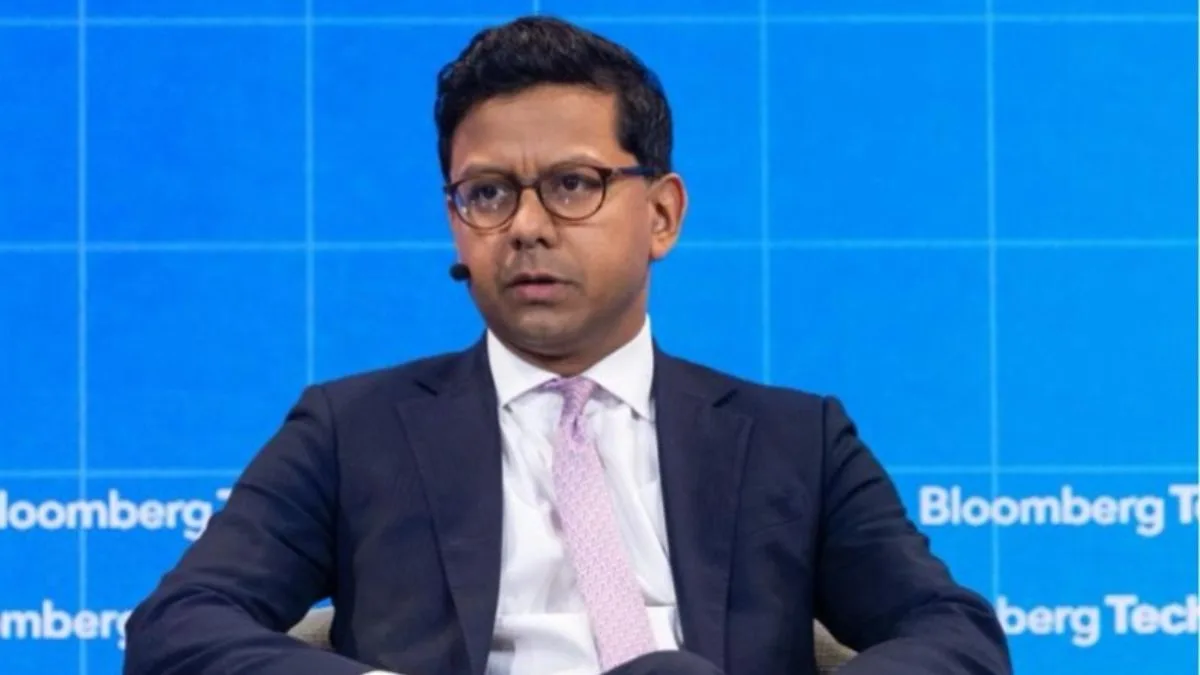
Speaking at the release, the CEO of NITI Aayog, B.V.R. Subrahmanyam, said India’s export trajectory is increasingly shaped by the preparedness of States and districts. He stressed the need to strengthen export infrastructure, enhance cost competitiveness, build robust institutions, and ensure predictable and transparent policy environments to sustain long-term growth and employment generation.
NITI Aayog Member Dr. Arvind Virmani highlighted the role of States and UTs in identifying strengths, addressing structural gaps, and leveraging emerging trade opportunities, while reiterating the Prime Minister’s emphasis on product quality for global competitiveness.
The EPI 2024 framework is built on four pillars, namely Export Infrastructure, Business Ecosystem, Policy and Governance, and Export Performance, which are further broken down into 13 sub-pillars and 70 indicators, enabling a granular and policy-relevant assessment.
The latest edition expands its analytical depth by incorporating new dimensions such as macroeconomic stability, cost competitiveness, human capital, access to finance, and the MSME ecosystem.