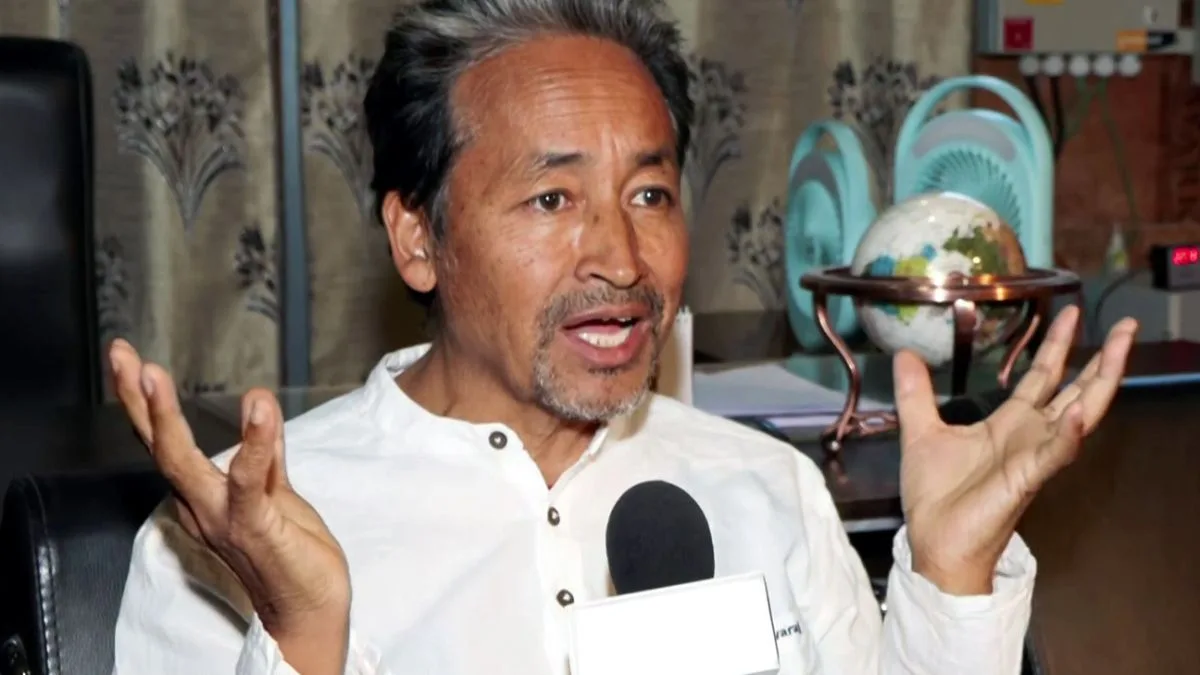
Climate activist and Magsaysay award winner Sonam Wangchuk, who has been at the forefront of the agitation for Ladakh’s statehood and inclusion under the Sixth Schedule of the Constitution, was arrested on Friday minutes before he was scheduled to address a press conference to counter the allegations of inciting violence and foreign funding against him.
His arrest by a team of Ladakh Police, led by DGP SD Singh Jamwal, comes a day after the Ministry of Home Affairs (MHA) accused him of instigating violence in Ladakh and cancelled his Foreign Contribution (Regulation) Act (FCRA) licence.
Advertisement
Wangchuk was to address a press conference at 2.30 pm on ‘Zoom’ but the authorities are reported to have snapped internet services too in Leh.
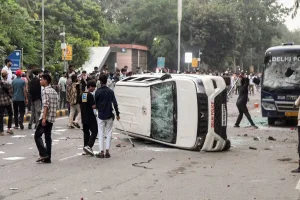
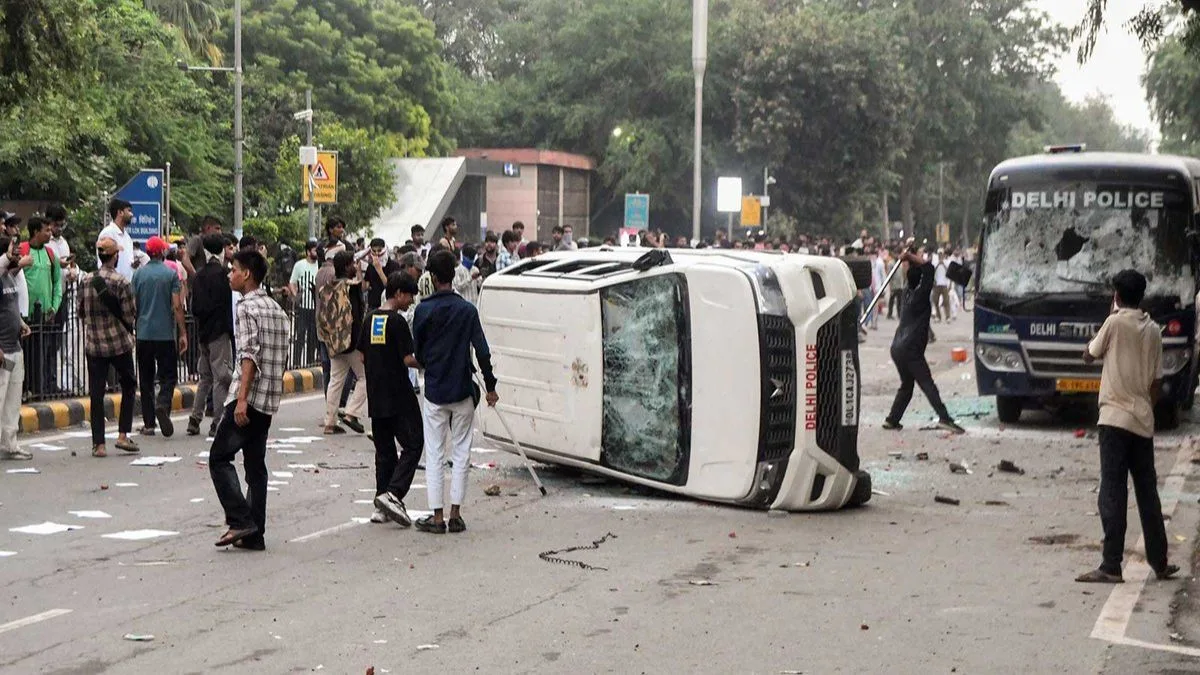
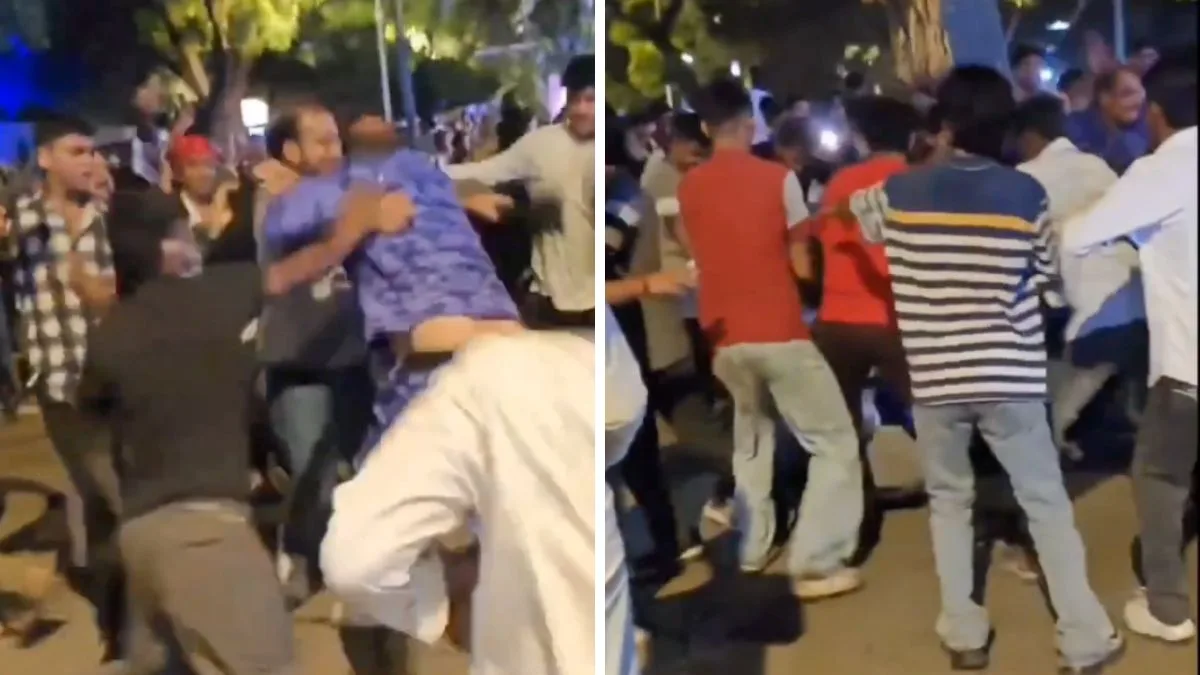
The arrest comes two days after violent protests left four people dead and over 90 injured in Leh.
It was not yet known whether Wangchuk would be lodged in some prison in Ladakh or flown to some other place. While curfew continues in Leh, prohibitory orders were also imposed in Kargil after Wangchuk’s detention, reports said.
A day earlier, responding to a probe by the CBI into alleged FCRA violations, Wangchuk said that his organisation did not seek foreign funding because it had no intention of “begging from foreign countries.”
He said that the funds were “not foreign donations” but fees for services rendered.
A day after the Leh protests, the Home Ministry issued a press release naming Sonam Wangchuk in it and blaming him for the riots. “I had received a notice about a CBI inquiry stating that my organisation received foreign funding even when it did not have an FCRA. We did not get FCRA because we don’t want funds from abroad,” Wangchuk said.
“The United Nations team wanted to take our Passive Solar Heated Building to Afghanistan, and for this, they gave us a fee. We also got fees with tax from Swiss and Italian organisations for supplying knowledge to them about our artificial glaciers,” he added.
Wangchuk along with The Leh Apex Body (LAB) and the Kargil Democratic Alliance (KDA) is seeking full statehood and inclusion under the Sixth Schedule of the Indian Constitution for Ladakh.
Lieutenant Governor Kavinder Gupta called the current situation a “conspiracy,” adding that those who disrupted the atmosphere would be held responsible.
In an indirect reference to Wangchuk’s statement, Gupta said “This can’t be called a Gen-Z revolution. This could be called a conspiracy. Ladakh is still peaceful, but we won’t let those who want to disrupt the atmosphere do so.”
Wangchuk has become the most noticeable face of Ladakh’s political struggle since the abrogation of Article 370 in 2019, which reorganised Jammu & Kashmir into two Union Territories — Jammu & Kashmir and Ladakh. He has long campaigned for Sixth Schedule status to safeguard Ladakh’s fragile ecology, tribal culture and autonomy.
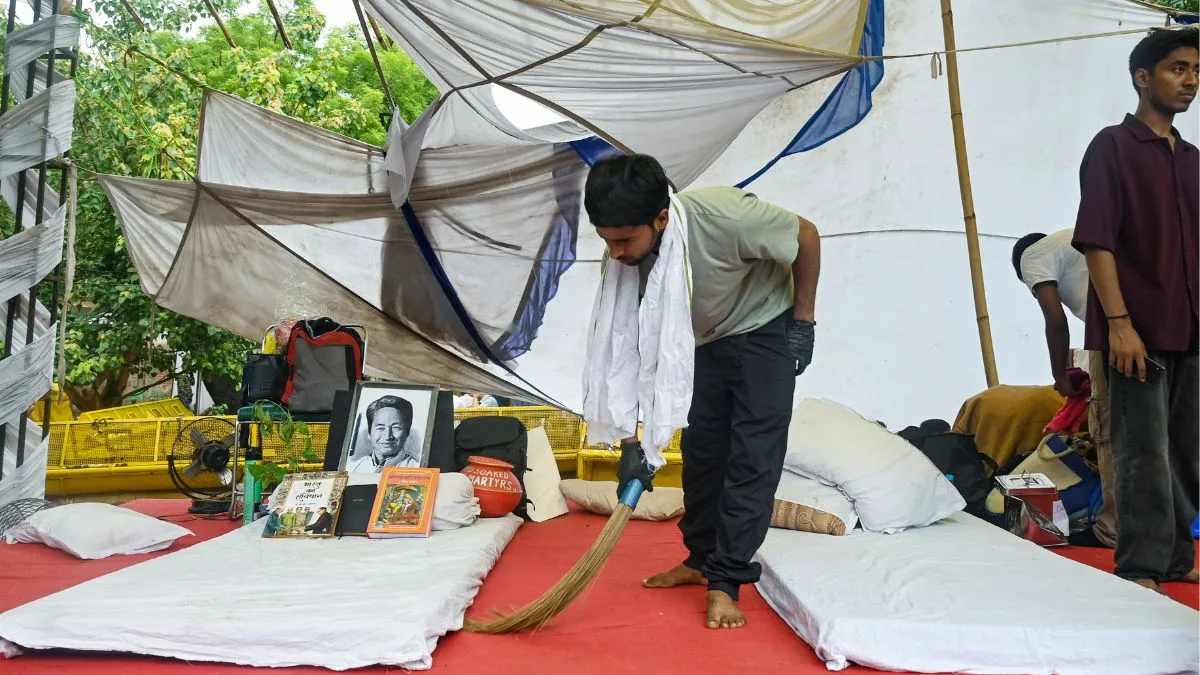
His hunger strikes earlier in 2020 brought national attention to Ladakh’s demands. Later, he marched from Leh to New Delhi in support of these demands.
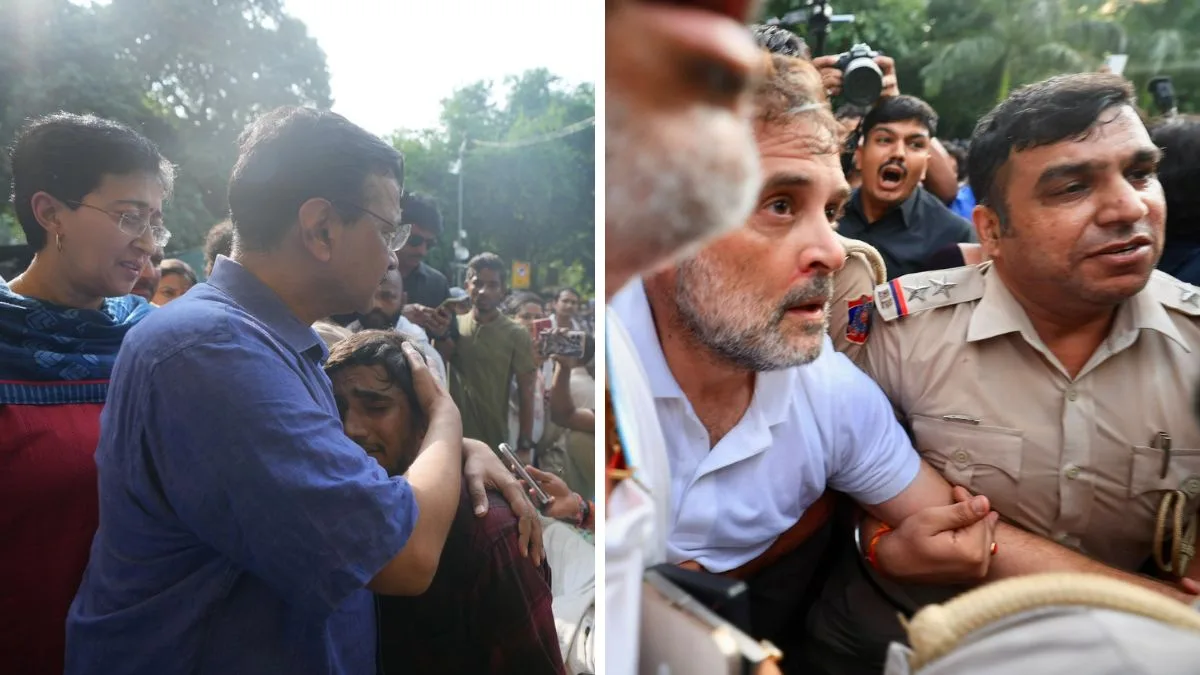
Meanwhile, J&K Chief Minister Omar Abdullah slammed the Centre for Wangchuk’s detention and the broken promises around Ladakh.
PDP chief Mehbooba Mufti described Wangchuk’s arrest as “deeply disturbing”. “In today’s India, speaking truth to power comes at a heavy cost or how else could a man who stood for peace and non-violence his entire life end up behind bars?”