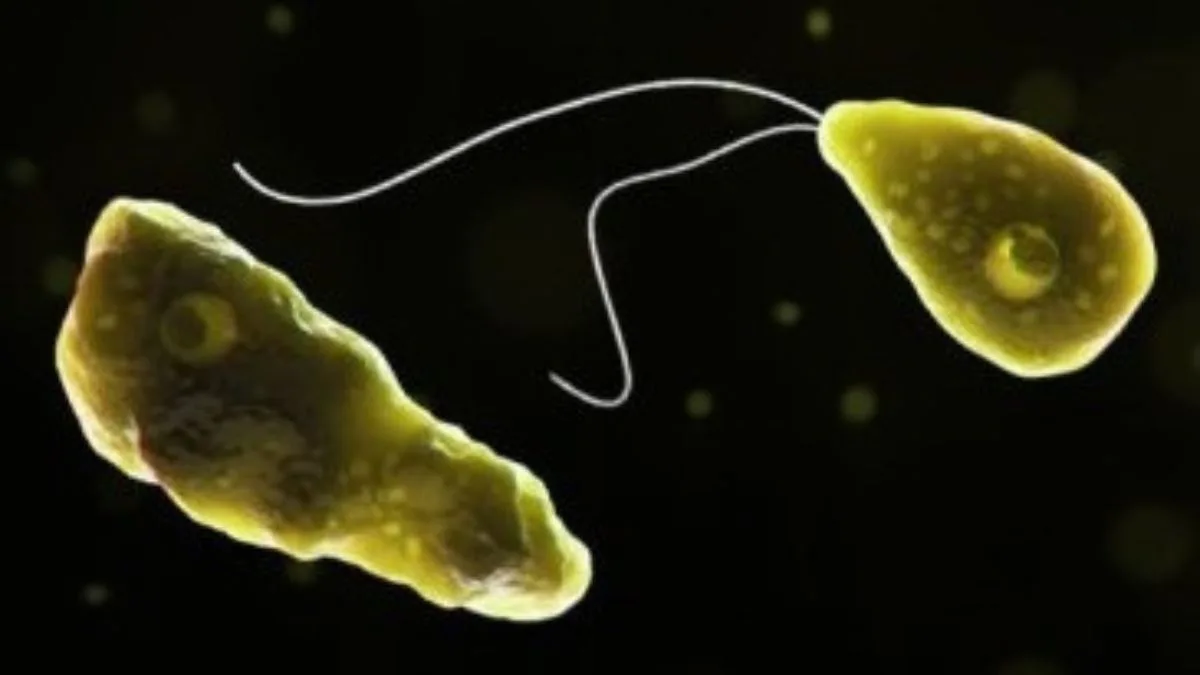
Concern is mounting in Kerala as the death toll of amoebic meningoencephalitis continues to increase , touching six in just one month.
Shaji (51), a native of Chelambra in Malappuram, is the latest victim of the rare but deadly brain infection. He died on Thursday while undergoing treatment at Kozhikode Government Medical College Hospital, where he had been admitted for the past two weeks. However, the source of his infection remains unclear.
Advertisement
On Monday, Shobha (56), a resident of Vandoor, Malappuram, also succumbed to the disease at Kozhikode Medical College Hospital. Diagnosed on September 6, she had been under critical care at Kozhikode Medical College Hospital (MCH) and passed away on Monday. Just two days ago, Ratheesh, a resident of Sulthan Bathery, died of the disease .
Three others died over the past few weeks: A three-month-old from Omassery in Kozhikode, Ramla, 52, from Malappuram, and a nine-year-old girl from Thamarassery, who died while receiving treatment at the Institute of Maternal and Child Health, Kozhikode. Twelve patients, including two children, are being treated at Kozhikode Medical College Hospital at present for the disease
Despite repeated alerts, there appears to be no consolidated data on total number of confirmed cases, recoveries or fatalities. Public health activists criticise the lack of coordination between the health department, hospitals and local bodies, pointing out that the absence of a unified strategy is prolonging the crisis
The disease is caused by Naegleria fowleri, commonly referred to as the brain-eating amoeba. It thrives in warm freshwater bodies such as lakes, rivers, ponds, and springs. The amoeba enters the human body through the nose —typically while swimming, bathing, or diving in contaminated water — and can reach the brain, causing a rare but often fatal infection known as Primary Amebic Meningoencephalitis (PAM).
Symptoms usually appear within one to nine days of infection and include severe headache, fever, vomiting, neck stiffness, confusion, and seizures. The disease is not spread from person to person, nor does it typically spread through drinking water, as enzymes present in the stomach kill the organism. Preventive measures focus on avoiding water entering the nostrils during activities in potentially contaminated sources.
Though the health authorities conducted investigations, they have yet to identify the precise source of the current outbreak. While the disease is generally linked to exposure to stagnant or freshwater sources, relatives of some victims claim they had not visited rivers or ponds. In one case, a three-month-old baby who contracted the disease had only been bathed in well water.