Kerala reinstates IAS officers N Prasanth and B Ashok, lifts suspensions
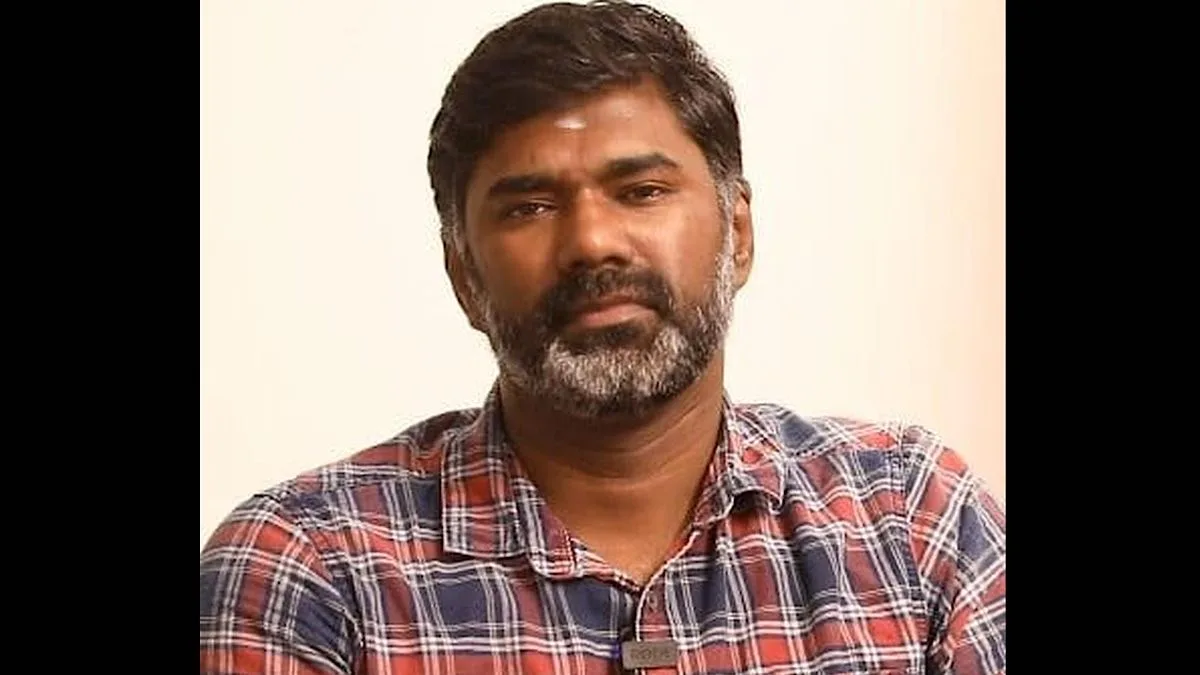
The Kerala government on Saturday revoked the suspensions of senior IAS officers B. Ashok and N. Prasanth, allowing both to return to service.
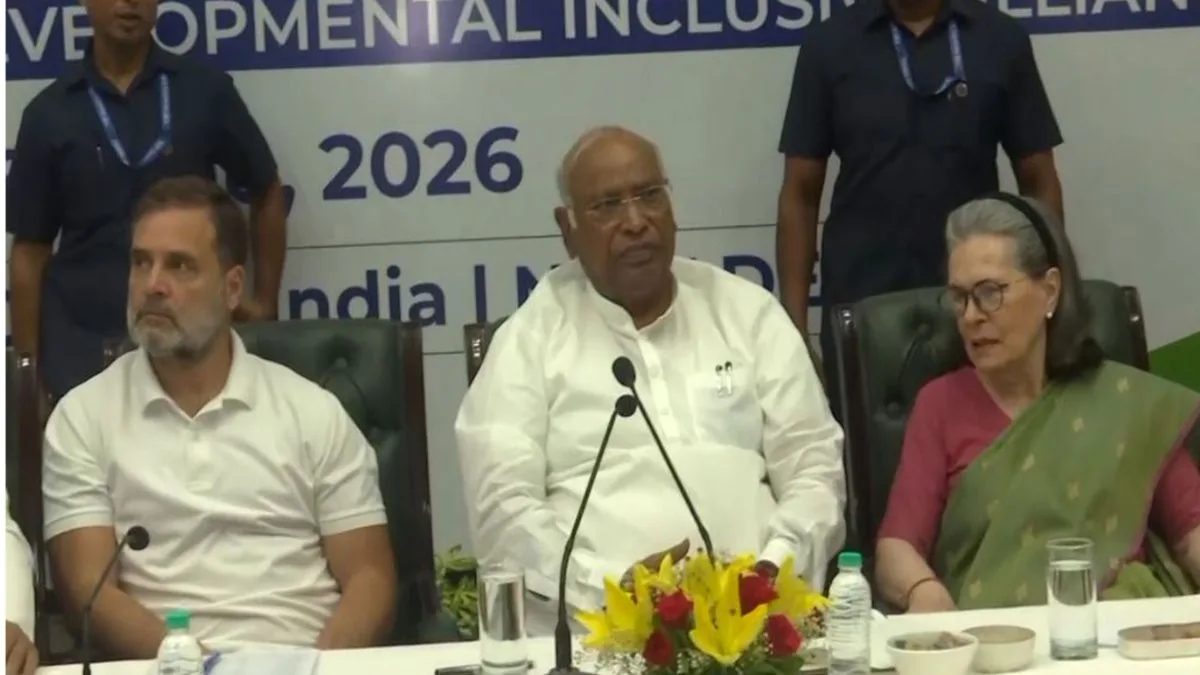
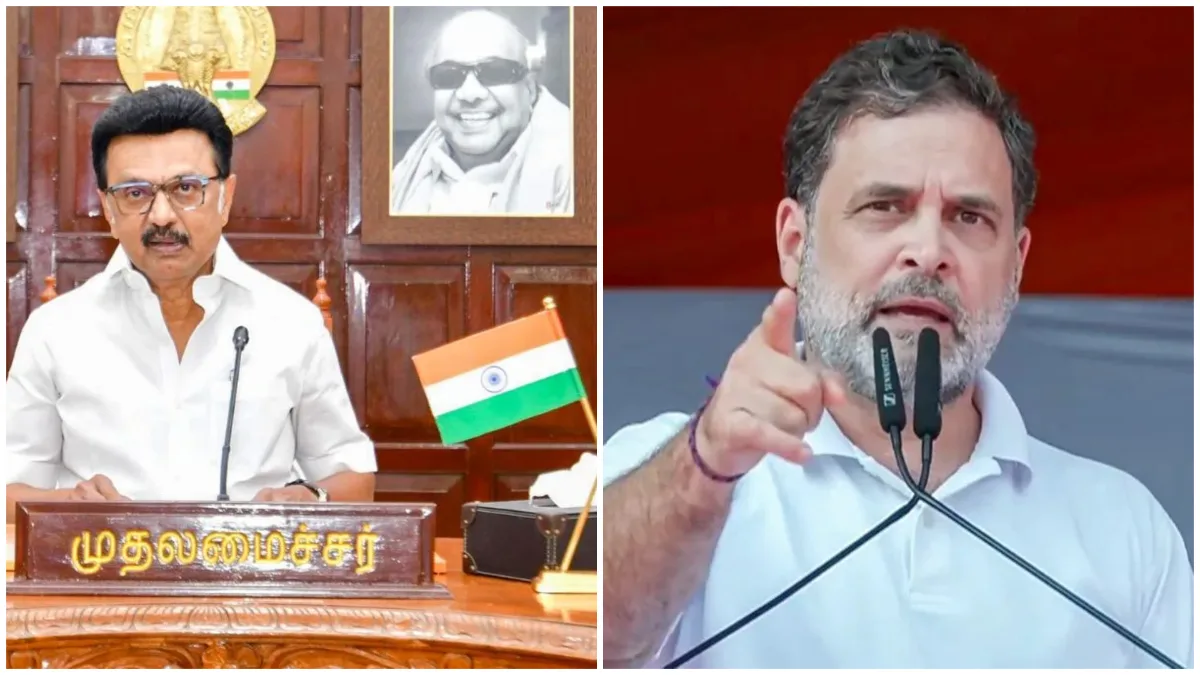
The decision was taken at a high-level meeting chaired by Chief Minister V.D. Satheesan and Transport Minister C.P. John, taking into account KSRTC’s financial constraints and operational challenges.





CM VD Satheesan ANI
The Kerala government’s ambitious scheme to provide free travel for women on KSRTC buses will officially commence on June 15. However, the benefit will initially be restricted to ordinary bus services only. Fast Passenger, Super Fast, and premium superclass services have been excluded from the scheme.
The decision was taken at a high-level meeting chaired by Chief Minister V.D. Satheesan and Transport Minister C.P. John, taking into account KSRTC’s financial constraints and operational challenges.
Advertisement
Introduced as a key election promise under the United Democratic Front (UDF) government’s “Indira Guarantee” programme, the initiative will initially be implemented on a trial basis for the first 100 days.
Advertisement
Restricting the scheme to ordinary buses is expected to cost around ₹57 crore per month, amounting to approximately ₹712 crore annually. Extending the benefit to all categories of buses would increase the financial burden to ₹110–112 crore per month. KSRTC currently operates around 4,700 buses, of which nearly 3,000 are ordinary services.
Transport Minister C.P. John confirmed that the Kerala government will fully reimburse the loss of ticket revenue through a direct subsidy to KSRTC. This support will be provided as special financial assistance over and above the ₹125 crore that the state already pays every month towards KSRTC employees’ salaries and pensions.
The scheme is applicable to all women irrespective of caste, community, or income status. Transgender individuals have also been explicitly included as beneficiaries.
Since the scheme is currently limited to ordinary bus services, women in the northern Malabar region may benefit less than those in the southern districts, where ordinary KSRTC services are more widely available. To address this imbalance, the government is considering the introduction of additional ordinary bus routes in northern Kerala.
Meanwhile, private bus operators, who collectively run between 9,000 and 10,000 buses across Kerala, have expressed serious concerns about the initiative. They fear that the scheme could adversely affect their industry, as women constitute nearly 60% of bus commuters in several parts of central and southern Kerala where private operators compete directly with KSRTC services.
Advertisement