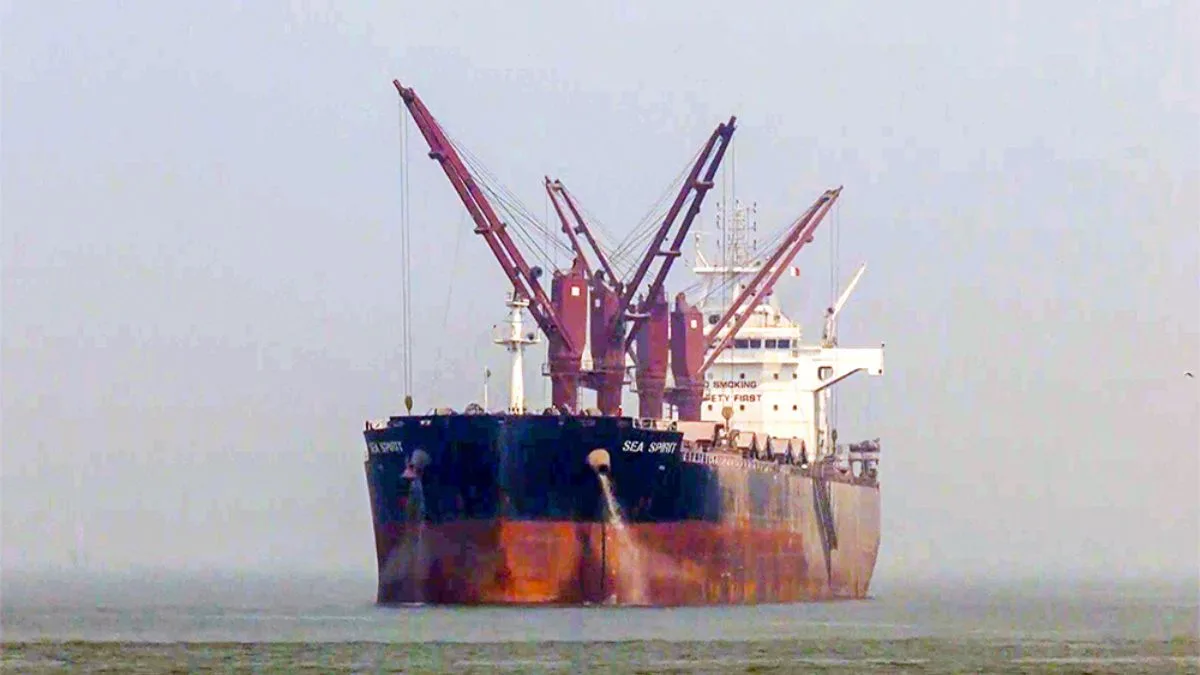
In the dying moments of the Iran-US war, Indian refiners are believed to be looking at buying Iranian oil through a combination of rupee payments, partial deferred accounting and even barter, which could later help rebuild Iran’s civilian infrastructure now that the US administration has given a 30-day sanctions waiver for the purchase of Iranian oil already at sea. Top sources in Indian refining firms said they were looking at “quick purchases” of Iranian crude, much of which is on the high seas in ships that are idling in the Indian Ocean.
“We have a long tradition since the 1990s of buying Iranian oil … it’s natural that we should be among the first to try and corner stores from there,” said Sandeep Johri, a commodities trader. At its peak, Iran supplied roughly 10 to 15 per cent of India’s crude. The appeal was not merely geopolitical or price-wise; it was geological. “Iranian crude grades suit Indian refineries,” averred Johri.
Advertisement
According to estimates, about 130-170 million barrels of Iranian crude are at sea, mostly in the Indian Ocean, but also in the Mediterranean and South China Sea.
The American waiver announced Friday applies to oil loaded on or before March 20, on ships, including sanctioned tankers. They must, however, be offloaded at the receiving port by April 19.
When Western sanctions against Tehran tightened between 2010 and 2012, targeting Iran’s financial arteries, the problem for India was not access to crude but the means to pay for it.
“So we invented ways, including Rupee purchases, which were used by the Iranians to pay for rice, tea and other food stocks and machinery which they bought from us,” said top commerce ministry officials.
At that time, India devised a split-payment mechanism. Indian refiners deposited roughly 45 per cent of their dues in rupees into accounts held by Iranian banks within India, most notably through UCO Bank, a state-run lender with minimal exposure to the American financial system and, therefore, less vulnerable to secondary sanctions. This was the money that was used for purchases from India.
The remaining 55 per cent was deferred and held in escrow accounts. When geopolitics allowed it, this money was converted into hard currencies like dollars or Euros and taken by Iran, with the payments routed through third countries such as the UAE or Turkey.
The two countries even formalised a new rupee-based payment framework in late 2018, once again relying on UCO Bank as the conduit.”An expanded rupee-based system, perhaps broader in scope, tied to a wider basket of Indian exports, will probably be the way forward for refineries like Reliance or Indian Oil if they go for such deals to look at,” said Johri.
Officials hinted barters could also be considered in the longer run by paying for oil through Indian project spending in repairing oil and port infrastructure.”Civilian infrastructure, which has been devastated in both Iran and Gulf countries, will have to be rebuilt. We want to encourage Indian project exporters and engineering companies to be ready for work once peace returns,” they said.