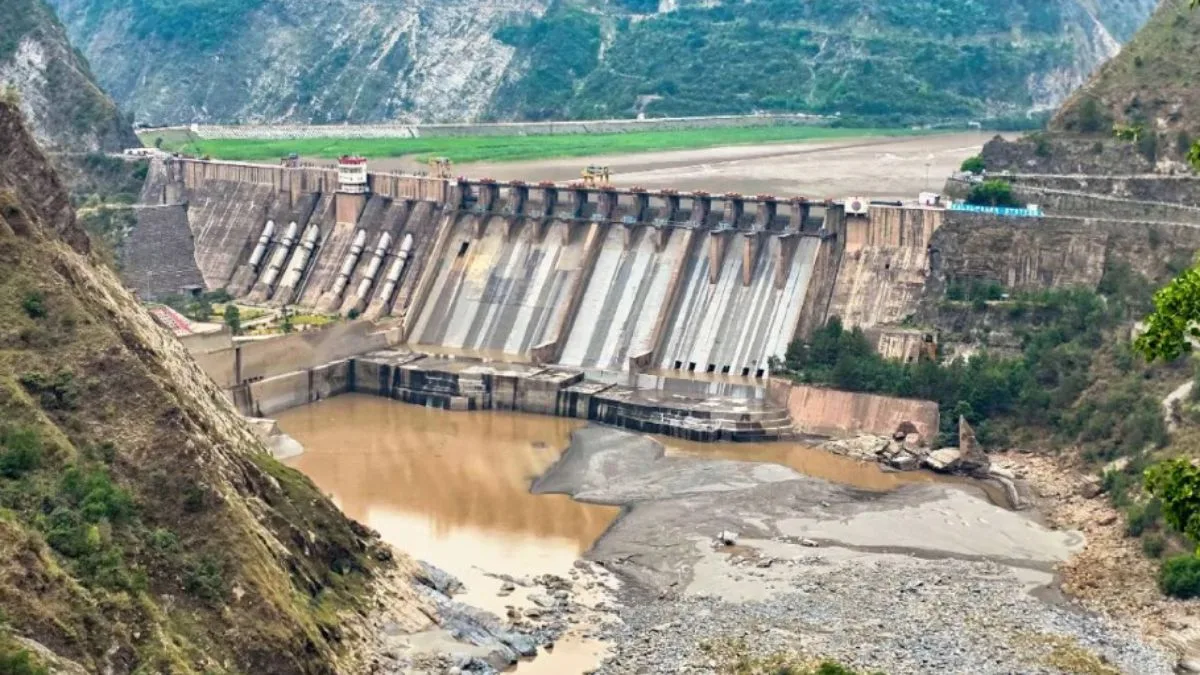
India has rejected the International Court of Arbitration’s “supplemental award” on Kishenganga and Ratle hydroelectric projects in Jammu and Kashmir, pointing out it is no longer bound to perform any of its obligations under the Indus Water Treaty (IIWT) since it is in abeyance.
Official sources said no Court of Arbitration, much less this illegally constituted arbitral body, which has no existence in the eye of the law, has the jurisdiction to examine the legality of India’s actions in exercise of its rights as a sovereign nation.
Advertisement
New Delhi’s assertion came after The Hague-based Court of Arbitration directed India to submit the operational logbooks of the two hydroelectric plants by February 9 or provide a formal explanation for its refusal to do so.
India has never formally recognised the existence of the “so-called Court of Arbitration” claiming that its formation under the treaty was a “serious breach.” Therefore, any award or decision taken by the court is illegal, sources added. U MAY LIKE
India has already stopped sharing hydrological data with Pakistan after it placed the treaty in abeyance in the wake of the 22 April, 2025 Pahalgam terror attack. This regular data sharing was an obligation under the treaty.
Sources observed that this so-called supplemental award at Pakistan’s behest is yet another desperate attempt by the neighbouring country to escape accountability for its role as the global epicentre of terror.