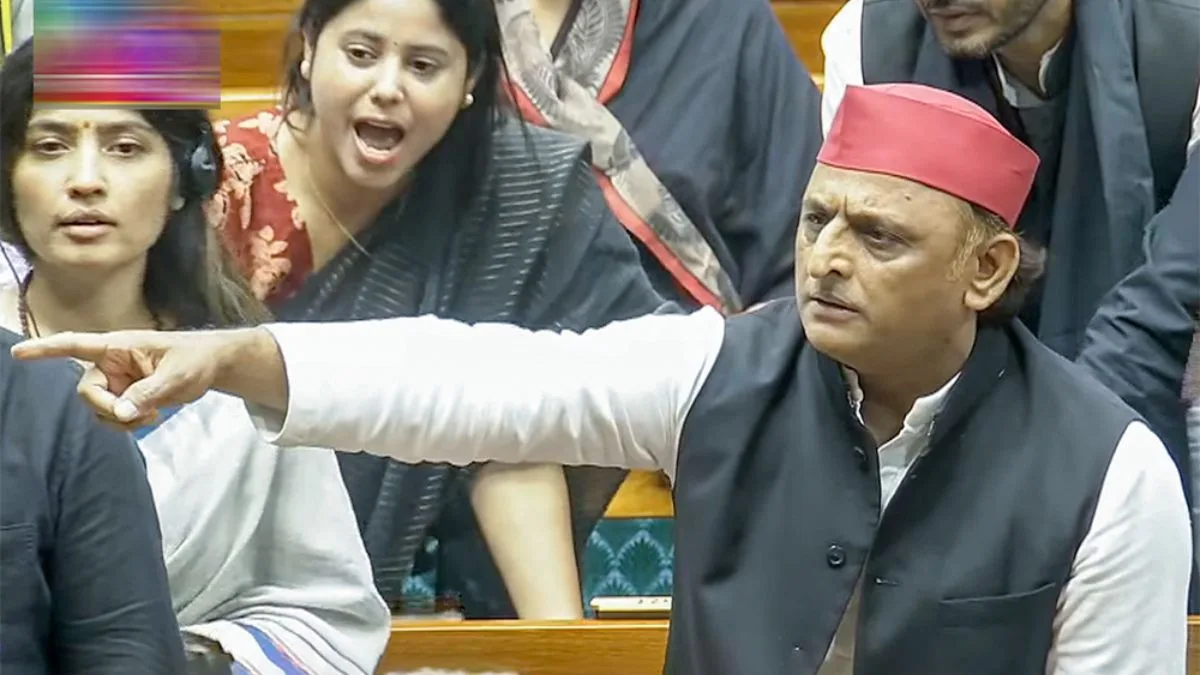
Congress chief whip in the Lok Sabha, Manickam Tagore, has sharply criticized the government’s decision to convene a short duration Winter Session of Parliament, branding the proposed 15-sitting schedule as the “shortest-ever” and accusing the Centre of deliberately curtailing the session to avoid accountability.
Speaking in a podcast interview with The Statesman, Tagore expressed his outrage over the limited time allotted for legislative business and discussion, suggesting the move was a conscious effort by the ruling dispensation to evade scrutiny on critical national issues.
Advertisement
”Fifteen days is simply not enough to hold the government accountable,” Tagore stated. “This is the shortest-ever session, and it speaks volumes about the government’s intent. They are running away from questions. They are running away from debate.”
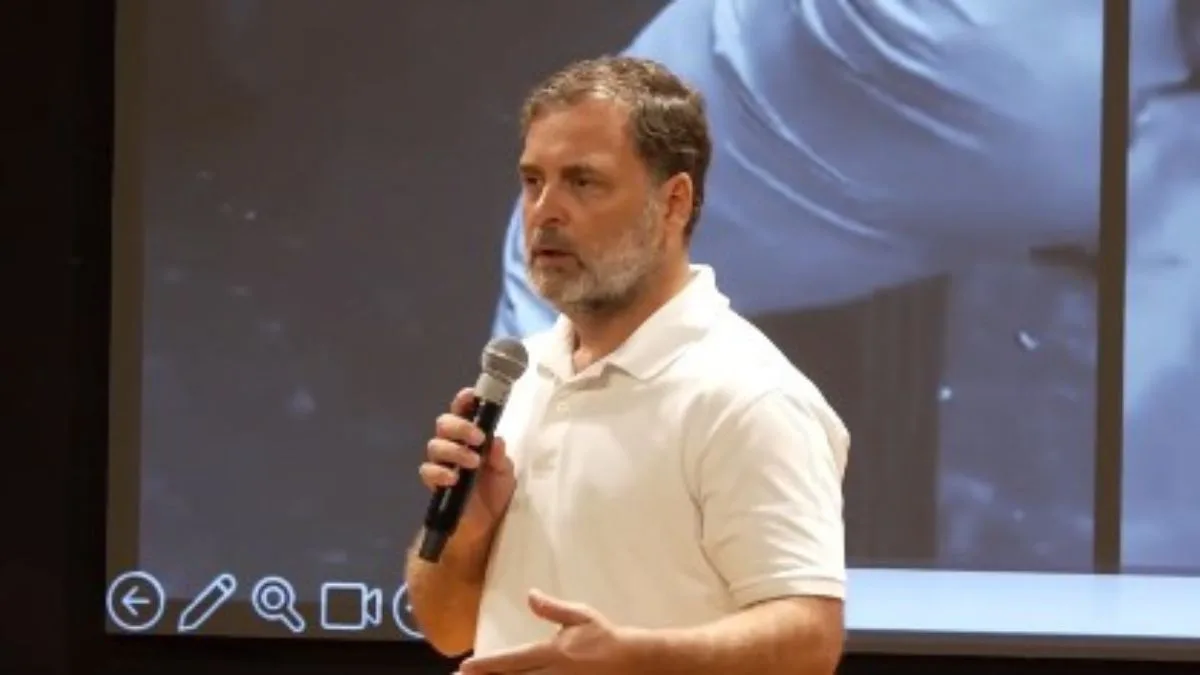
During the same interview, the Congress leader also robustly defended his party’s senior figure, Rahul Gandhi, against what he described as a perennial “Escapist” charge often leveled by the ruling party’s members and critics.
While the specifics of the charge were not detailed in the podcast excerpt, Tagore’s swift and firm response highlights an ongoing political battle over Rahul Gandhi’s presence and participation in parliamentary proceedings and political events.
”To call Rahul Gandhi ‘Escapist’ is a political tactic, nothing more,” Tagore asserted. “He has been at the forefront of raising the most challenging questions to this government, both inside and outside Parliament. His commitment to the Constitution and democratic values is unwavering.”
Tagore also pointed out that Rahul Gandhi had led a campaign during the Bihar assembly elections for 17 days leading a yatra exposing the vote theft design of the poll panel.
Tagore’s dual critique—targeting both the brevity of the parliamentary session and the political attacks on the Congress high command—underscores the Opposition’s aggressive stance against the government as the legislative calendar shrinks.
The Congress leader’s comments are expected to fuel a political issue during the session, with the Opposition likely to use it as a key talking point in their campaign against the government’s alleged ‘undermining of democratic norms.’