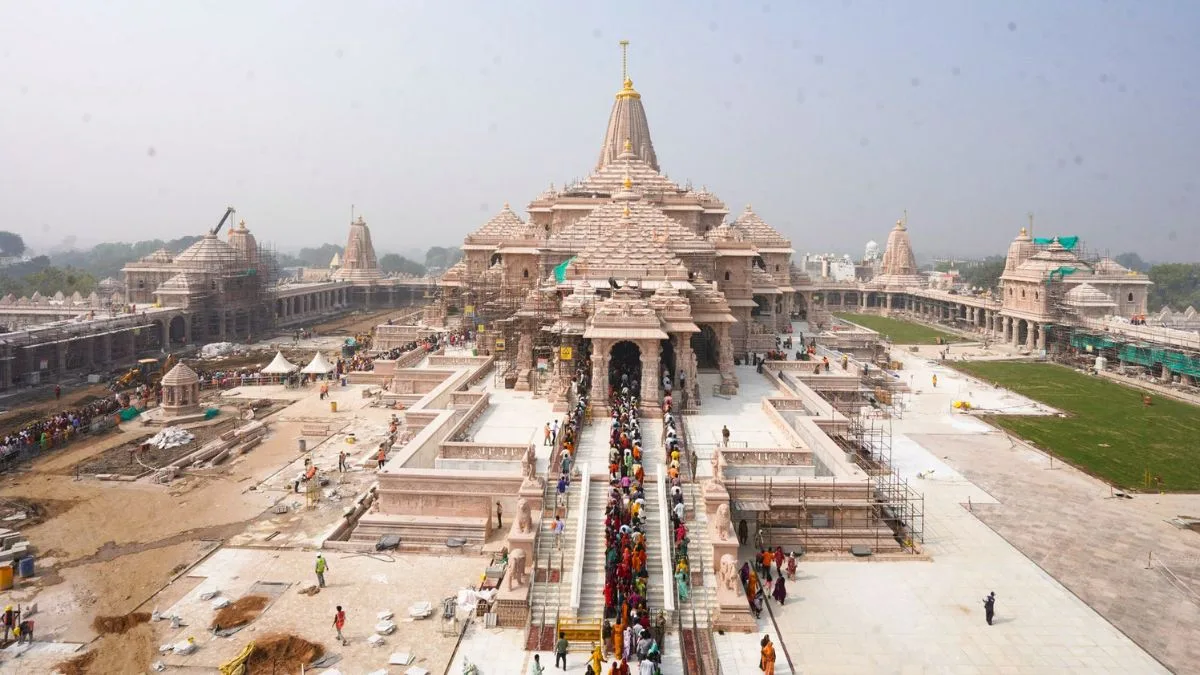
The Uttar Pradesh Government has sanctioned ₹45 crore for the development and beautification of ancient temples in Gorakhpur, with a focus on upgrading facilities for pilgrims and tourists. The initiative is aimed at restoring the grandeur of rural shrines, enhancing visitor experience, and positioning Gorakhpur as a major hub for religious tourism.
Announcing the projects, Tourism and Culture Minister Jaiveer Singh said, “Uttar Pradesh continues to lead the nation in religious tourism. From Ayodhya and Kashi to Mathura, our spiritual centers are witnessing record footfall. Gorakhpur is fast emerging as a destination of significance, with its wide network of temples, monasteries, and heritage sites attracting growing numbers of devotees and tourists.”
Advertisement
Gorakhpur is home to iconic landmarks such as the Gorakhnath Temple, Shri Digambar Jain Temple, Jatashankar Gurudwara, Kalika Sthan, Chitragupta Temple, Sant Kabir Ashram, and Shri Ramjanaki Temple. The new projects will provide modern amenities at these revered sites, strengthening faith among devotees while boosting tourist inflows.
Beyond temples, Gorakhpur offers a diverse tourism portfolio with attractions like Ramgarh Tal, Gita Vatika, the world-renowned Gita Press, as well as several museums and parks. These collectively draw visitors from across Uttar Pradesh, Bihar, Uttarakhand, and other states.
Tourism in the district has been growing rapidly. According to department data, Gorakhpur welcomed 3.65 million tourists in 2024. In just the first quarter of 2025, more than 1.54 million visitors arrived. At this pace, annual footfall is expected to reach 5–5.5 million by year-end. To accommodate this growth, the government is also promoting homestays, giving travelers more options while boosting local livelihoods.
Minister Singh emphasized, “The Tourism Department is committed to preserving Uttar Pradesh’s religious and cultural heritage while integrating it with modern facilities. These projects, particularly focused on temples in rural areas, will create robust tourism infrastructure, generate local employment, and strengthen the region’s cultural identity. By giving our spiritual heritage a modern dimension, we are ensuring both preservation and prosperity.”