Delhi govt doubles parking charges under GRAP 3, 4 to discourage use of private vehicles
The decision comes to counter the situation of air pollution in the national capital, with the Air Quality Index (AQI) level at 324 at 7 pm.
The matter originated from a letter petition by Shailendra Kumar Yadav, highlighting ecological damage caused by the uncontrolled movement of horses in the reserved forest area of Kufri and its impact on natural vegetation and local ecology.




File Photo: IANS
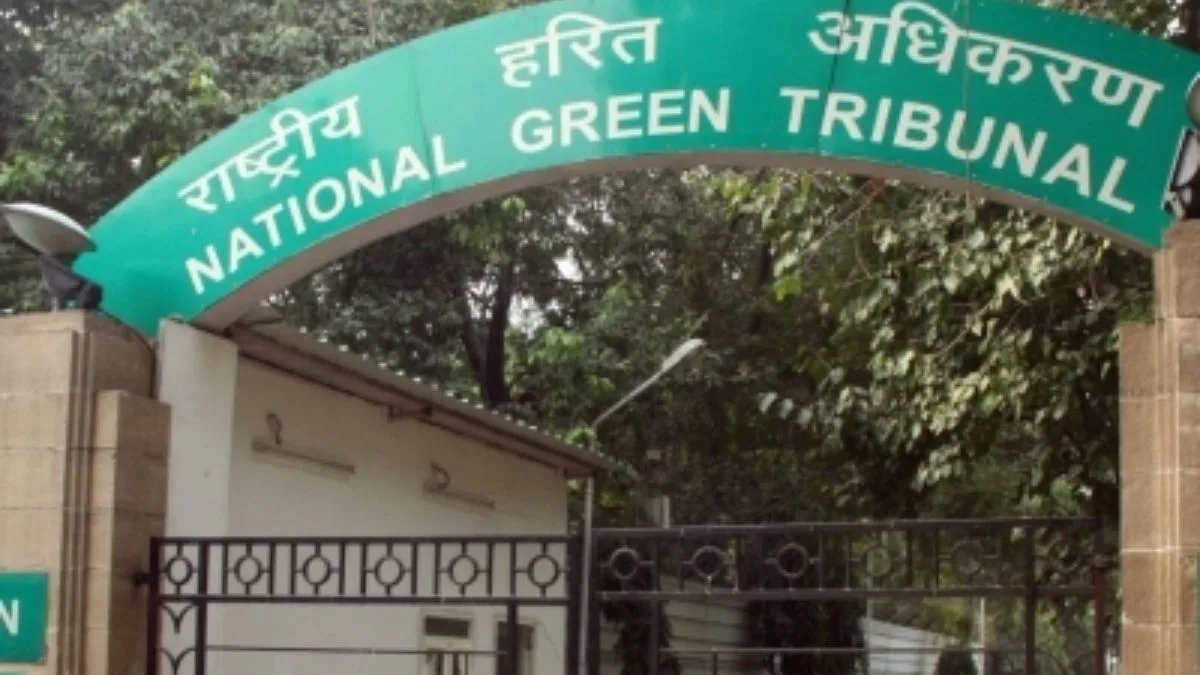
The National Green Tribunal (NGT) has disposed of a case concerning the unscientific management of horses and tourism activities in Kufri, Himachal Pradesh, directing the state government to frame appropriate guidelines within three months.
The matter originated from a letter petition by Shailendra Kumar Yadav, highlighting ecological damage caused by the uncontrolled movement of horses in the reserved forest area of Kufri and its impact on natural vegetation and local ecology.
Advertisement
The applicant alleged that around 700–800 horses, operating across 8-10 square kilometres of the Kufri reserved forest and catchment area, were damaging tree roots and forest trails, leading to the decline of flora and fauna.
Advertisement
A joint committee constituted by the NGT observed that 1,029 horses were registered and plying in the area, while the calculated carrying capacity was only 217 horses per day.
The committee also confirmed damage to natural vegetation, low tree regeneration, invasive species, and contamination of water samples with faecal coliform.
The committee suggested regulating horse and tourism activities through the Himachal Pradesh Ecotourism Society, forming an Eco Development Committee, reducing horse numbers gradually, and establishing a dung treatment plant. It also proposed developing alternate walking paths and introducing eco-friendly options like battery-operated vehicles.
The Forest Department later submitted a detailed action plan for vermicomposting of horse dung, assessing 400–500 tonnes generated annually.
The department found the vermicomposting method more cost-effective than briquetting and recommended its adoption. Based on the Cifuentes methodology, the carrying capacity for horses was revised to 293 per day, while Mahasu Peak could accommodate 2,232 tourists daily.
Accepting the report, the NGT directed the Himachal Pradesh government to frame guidelines and issue directions in consultation with horse owners’ groups within three months.
The state must submit an action-taken report to the NGT thereafter. The case was accordingly disposed of.
Advertisement