SC rejects ex-JNU student and Delhi riots 2020 accused Umar Khalid’s review plea against denial of bail order
The top court said that it has not found "any good ground and reason to review the judgment dated 05.01.2026."
The Delhi Police, opposing the bail plea, will begin its submissions on November 11.




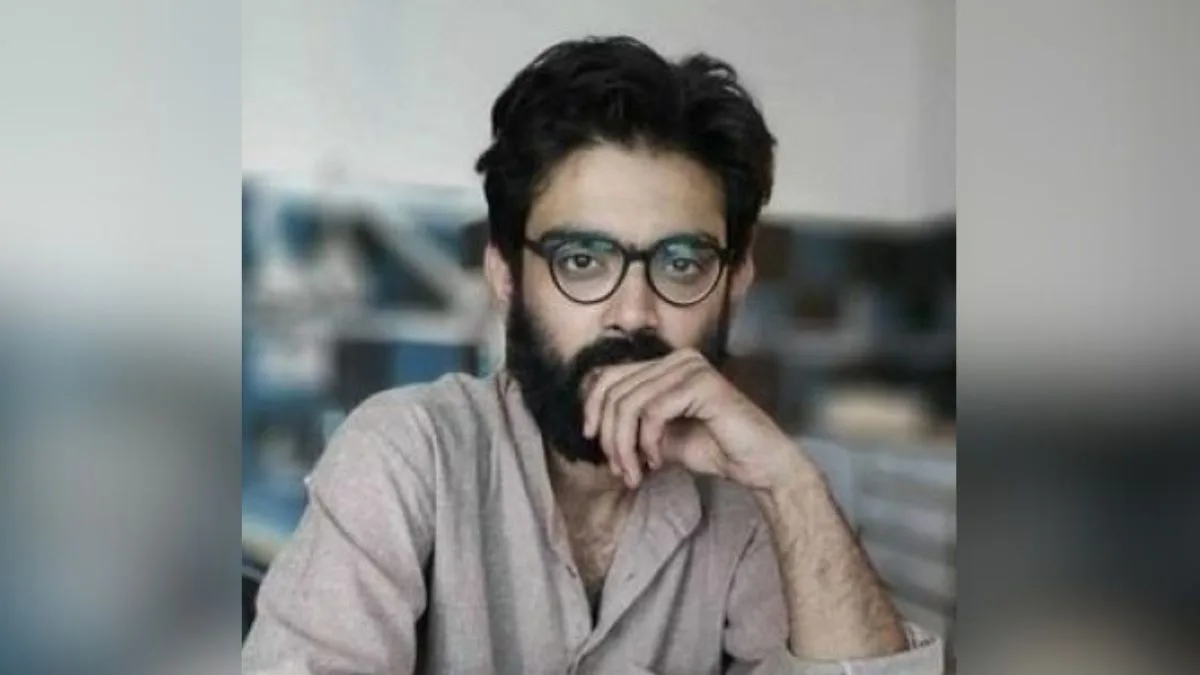
File Photo: IANS
Umar Khalid, Sharjeel Imam, and four other accused in the 2020 North-East Delhi riots’ larger conspiracy case, who have challenged in the Supreme Court the September 2 Delhi High Court order denying them bail, on Thursday concluded their arguments.
A Bench of Justice Aravind Kumar and Justice N V Anjaria heard the bail petitions filed by Umar Khalid, Sharjeel Imam, Gulfisha Fatima, Meeran Haider, Shadab Ahmed, and Mohd. Saleem Khan. The Delhi Police, opposing the bail plea, will begin its submissions on November 11.
Advertisement
The accused have challenged the Delhi High Court’s September 2 order refusing them bail. The top court had earlier issued notice to the Delhi Police on September 22.
Advertisement
The riots took place in February 2020, following clashes over the Citizenship Amendment Act (CAA). According to the police, the violence claimed 53 lives and injured hundreds. The present case pertains to an alleged “larger conspiracy” to orchestrate the riots.
The FIR, registered by the Special Cell of the Delhi Police, includes charges under the Indian Penal Code (IPC) and the Unlawful Activities (Prevention) Act (UAPA).
Umar Khalid was arrested in September 2020 and has remained in custody since then. His earlier bail pleas were rejected by the trial court and the High Court, prompting his appeal before the Supreme Court. Sharjeel Imam faces several cases under sedition and UAPA across multiple States but has secured bail in some.
In their defence, the accused have maintained that they did not incite violence. On October 31, Khalid told the Court that he “was not even in Delhi when the riots took place.” Imam’s lawyer said he had only called for “peaceful protests,” not violence. Fatima’s counsel argued there was no evidence linking her to any violent acts, saying, “No documentary or oral evidence shows anyone carrying chilli powder, acid, etc., at the protest sites where I was present.”
During the hearing on November 3, Meeran Haider’s counsel, Siddharth Agarwal, said Haider had publicly objected to Imam’s presence at the protest sites, refuting any allegation of conspiracy.
On Thursday, senior advocate Sidharth Luthra, appearing for Shadab Ahmed, submitted that his client had not caused any delay in trial and was not part of the WhatsApp groups cited by police.
With all accused completing their submissions, the Supreme Court will now hear the Delhi Police’s response on November 11.
Advertisement