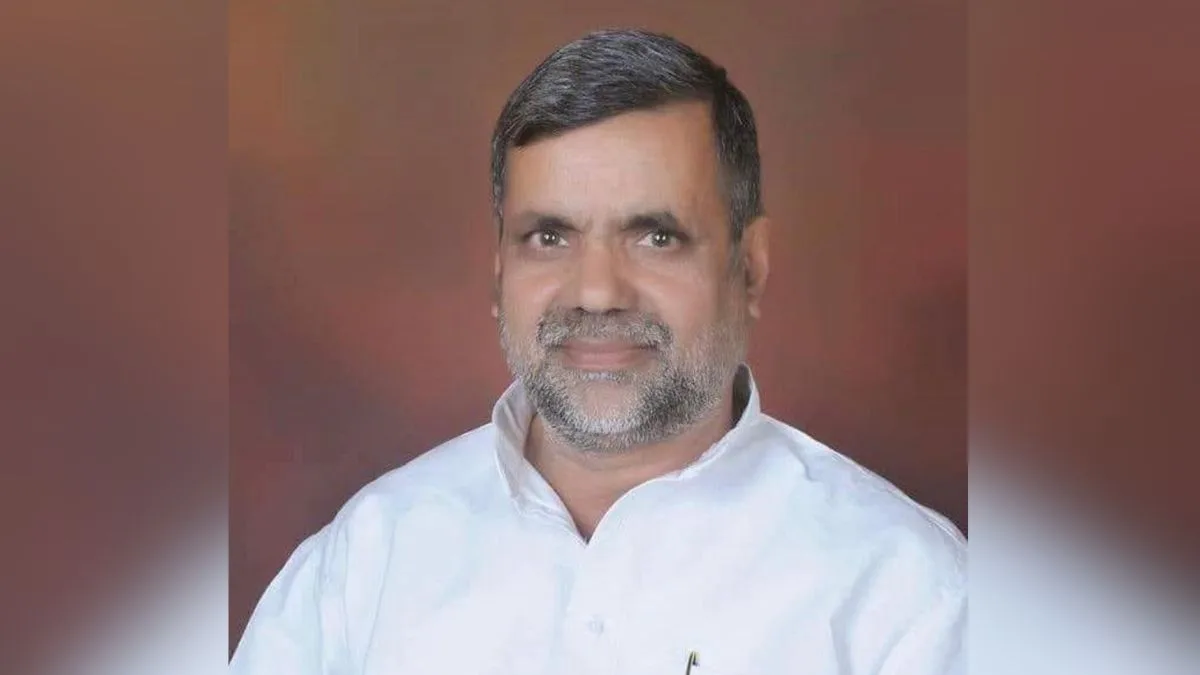
In a dramatic turn of events during the Question Hour in the Uttar Pradesh Legislative Council on the opening day of the monsoon session, BJP MLC Devendra Pratap Singh on Monday raised serious allegations of corruption in a road construction project in Deoria district, questioning his own party-led government.
He questioned the government about the Maghara-Salempur road surface improvement project, asking whether an estimate had been approved for the work. In response, the government informed the Council that budget approval for the repair work had been granted on July 28, 2025.
Advertisement
However, Singh followed up with a pointed supplementary question, alleging that Rs 928 crore previously sanctioned for the road project had been embezzled. “What action has been taken against the officials involved in this corruption?” he asked.
Replying to the charge, Minister of State for Public Works Department Brijesh Singh maintained that “no scam has occurred since the Yogi government came to power in 2017,” and assured that strict action would be taken if any wrongdoing was found.
Unconvinced, Singh shot back, saying, “It seems the minister is not fully informed. A departmental inquiry has already been conducted, and officials have been found guilty with action recommended against them.”
Responding to this, Minister Brijesh Singh clarified that action is currently underway based on the recommendations of the inquiry.
Meanwhile, Samajwadi Party (SP) leader Lal Bihari Yadav on Monday strongly opposed the BJP-led government’s decision to merge government-run primary schools with low student enrollment, during a heated debate in the Uttar Pradesh Legislative Council.
Yadav emphasized that “education is not a business but a fundamental right”, and accused the government of treating it as a commercial venture. He stated, “Even if there are only 25 or 50 students, schools should not be shut down. The government is closing schools under the pretext of high costs.”
The debate intensified when Leader of the Opposition and other SP members supported Yadav, calling the issue critical for the future of students. The opposition criticized the government’s failure to implement computer education effectively, claiming that computers sent to schools are gathering dust due to lack of infrastructure and trained staff.
In defense, Education Minister Sandeep Singh claimed that the current government had brought substantial reforms compared to the previous SP regime. He said, “Before 2017, there were no proper arrangements for student attendance or even basic seating. Our government has made massive improvements, including providing electricity in over 65,000 schools and building 53,000 toilets.”
However, when Yadav questioned how many of those toilets were operational, the Chairman interrupted, sarcastically saying, “Do toilets also need to be operated?” causing an uproar in the chamber.
Education minister defended the school merger policy, stating it was aimed at improving educational quality. He explained that schools with fewer than 50 students within a one-kilometer radius would be merged, but exceptions would be made where children face difficulty in accessing schools. He also noted that schools with higher enrollment would receive better funding.
Unconvinced, Yadav accused the government of commercializing education, leading the Samajwadi Party to stage a walkout from the House.
Later, Minister Laxmi Narayan Chaudhary, a former education minister, added that during his tenure, investigations revealed that over 4,000 madrasas only existed on paper, and some individuals were running 7–8 schools under a single name.