Ram Temple donation ‘theft’: RSS Chief Mohan Bhagwat cites Hosabale’s statement demanding strict action
Bhagwat once again refused to make a direct remark on the alleged donation theft and asked reporters to check Hosabale's statement on the issue.
Hitting out at the excessive use of electronic devices among children, the RSS chief warned that while gadgets, AI, television, and mobiles cannot be stopped, their use must be disciplined.




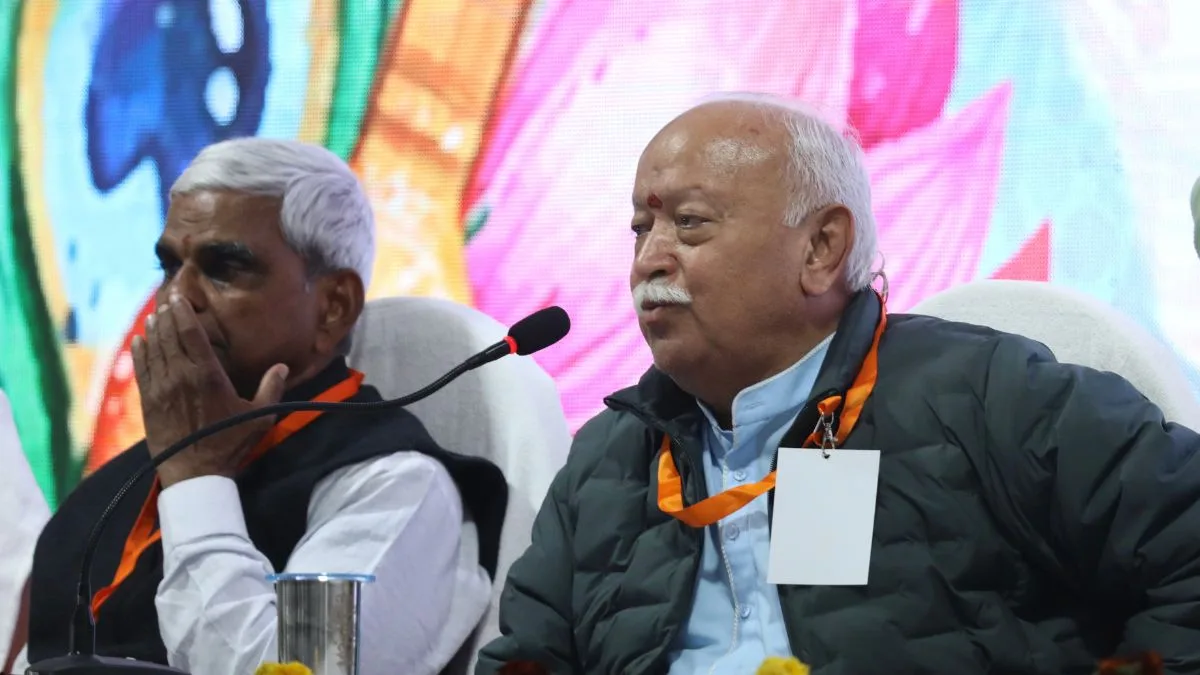
Photo: SNS
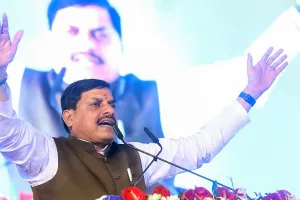
Rashtriya Swayamsevak Sangh (RSS) chief Dr. Mohan Bhagwat called for an end to caste- and community-based discrimination among Hindus, urging that temples, wells, and crematoriums be open to all without any barriers.
Speaking at the “Karyakarta Kutumb Milan” program here last night, he stressed that unity and equality are essential for a strong and harmonious Hindu society. “All Hindus are our brothers and sisters. We must rise above caste divisions, end social discrimination, and treat one another with equality and respect,” he said, warning that social divisions weaken the community and hinder collective progress.
Advertisement
Hitting out at the excessive use of electronic devices among children, the RSS chief warned that while gadgets, AI, television, and mobiles cannot be stopped, their use must be disciplined. He emphasized regulating screen time and educating the younger generation about the potential harms of overexposure. “We must teach children to use technology responsibly, balancing innovation with discipline,” he said, underlining the role of guided exposure in shaping healthy habits.
Advertisement
He said a true career is not merely measured by wealth, consumption, or filling one’s stomach, but by generosity, sharing, and living for others. Families should instill these values in children from a young age so they grow up socially conscious and responsible. “Education should teach children to give, to live for others, and to see personal welfare as linked with the welfare of the nation. For me, my country comes first. Knowledge and wealth should be earned for the nation,” he added, highlighting the importance of creating citizens who serve society, not just themselves.
Highlighting the importance of the family in social development, he said the basic unit of society is not the individual, but the family. Social behavior is first tested at home, where children learn values such as saving, respecting national wealth, patriotism, discipline, and integrity. He encouraged organizing family meetings at local and branch levels, involving 70–100 families, to strengthen bonds and foster community engagement. He also noted the significance of maternal influence in programs like Panch Parivartan, calling it critical for social transformation.
He urged RSS workers to reach out to social groups not closely associated with the Sangh, building cordial relationships that extend from the street to the family level. He highlighted the global recognition of India’s knowledge traditions and called for children to be taught about their heritage to develop a strong sense of identity. Concluding his address, he said the RSS remains a perpetually youthful organization, with a majority of its members being young, reflecting its long-term commitment to nurturing and educating India’s next generation.
Advertisement