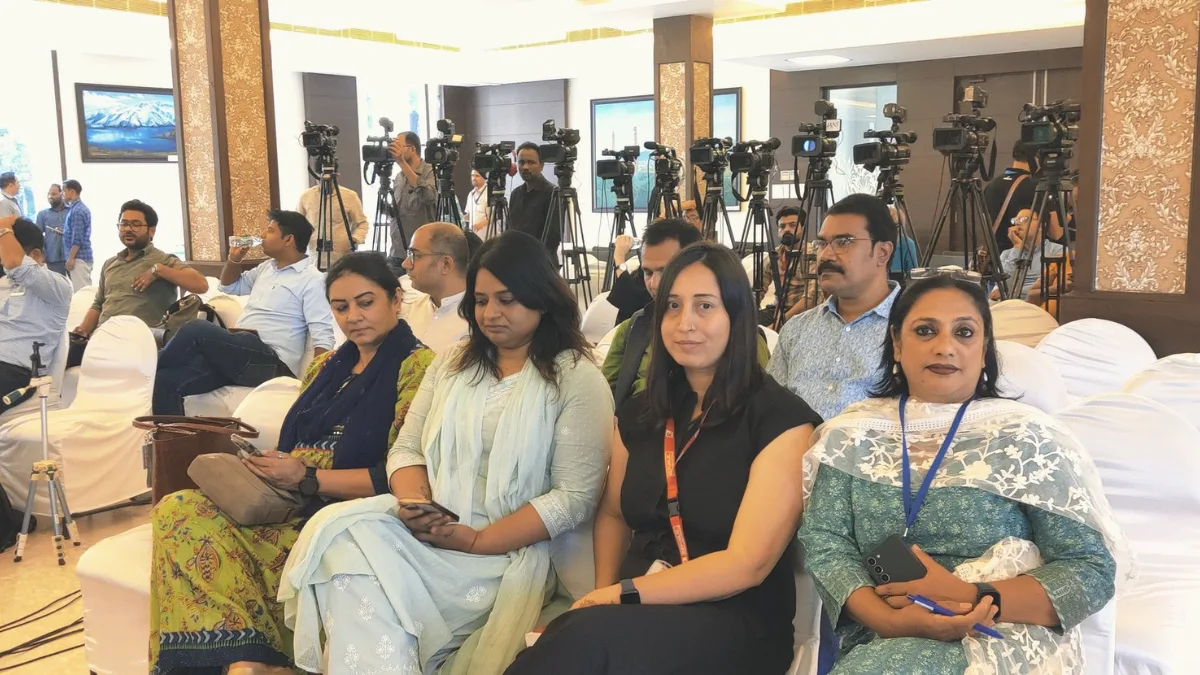
In a press hall in Delhi on Sunday, women journalists finally got the chance to ask questions to Afghanistan’s Foreign Minister Amir Khan Muttaqi. The event was not just another routine press briefing. It was a moment that shone a glaring spotlight on women’s voices and rights, a space the Taliban had previously tried to silence.
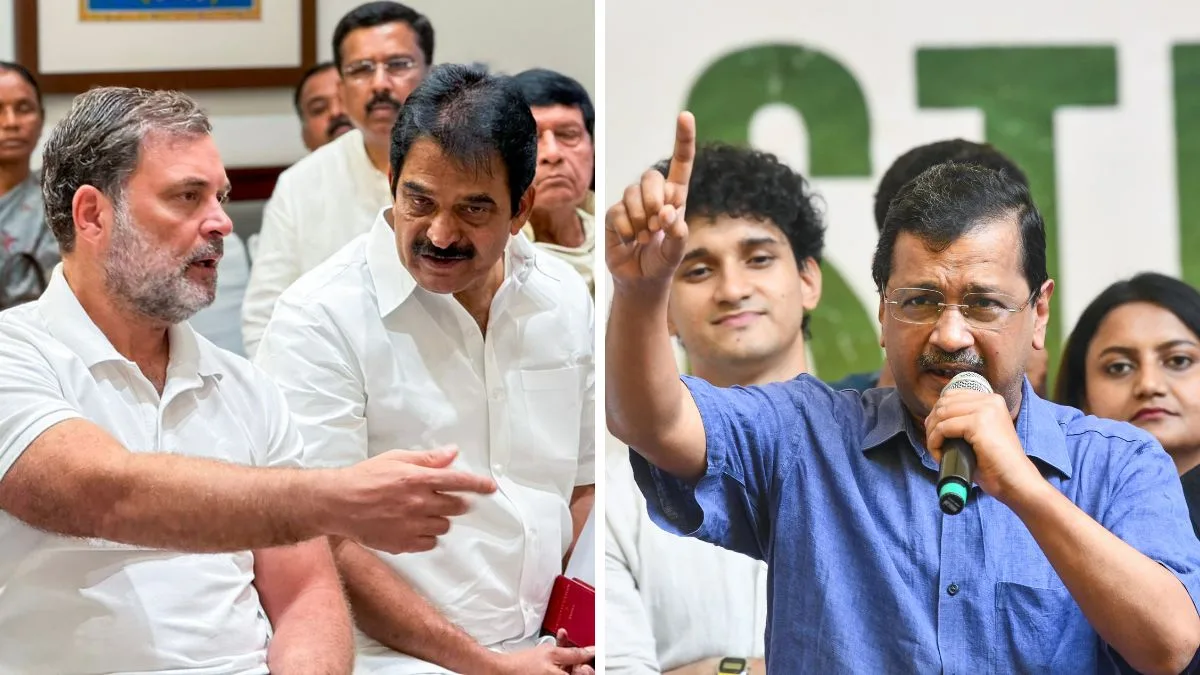
The stir began earlier this week, when Muttaqi held a press conference in Delhi without inviting any women journalists. The move sparked immediate outrage. Opposition leaders called it “unacceptable” and “an insult to women”.
Advertisement
Press organizations across India condemned the exclusion. The Ministry of External Affairs clarified that it was not involved in arranging the press briefing.
On Sunday, Muttaqi faced pointed questions about the absence of women in the first conference. In response, he described the earlier exclusion as “unintentional” and blamed the matter on logistical issues.
“The press conference was organised on short notice. A small list of journalists was finalised. There was no intention to exclude women,” he said. He added that invitations had been sent to “specific journalists”, implying no broader policy, though the remark drew skepticism from attendees.
Even as Muttaqi spoke, the shadow of the Taliban’s treatment of women in Afghanistan loomed large. Since returning to power in 2021, the Taliban have systematically restricted women’s freedoms. Girls are banned from secondary schools and universities. This makes Afghanistan the only country in the world to prevent women from studying beyond the age of 12.
Women cannot work in many sectors or even go outside for exercise or leisure. Their voices, faces, and bodies are tightly controlled. Even basic expressions like singing or reading aloud can carry severe consequences for them. Human rights organizations report extreme cases of gender-based abuse in Taliban detention centers.
This Sunday, women journalists asked tough questions, challenging Muttaqi on the Taliban’s policies and the repeated criticism from the United Nations, which in 2023 called Afghanistan the “world’s most repressive country for women.”