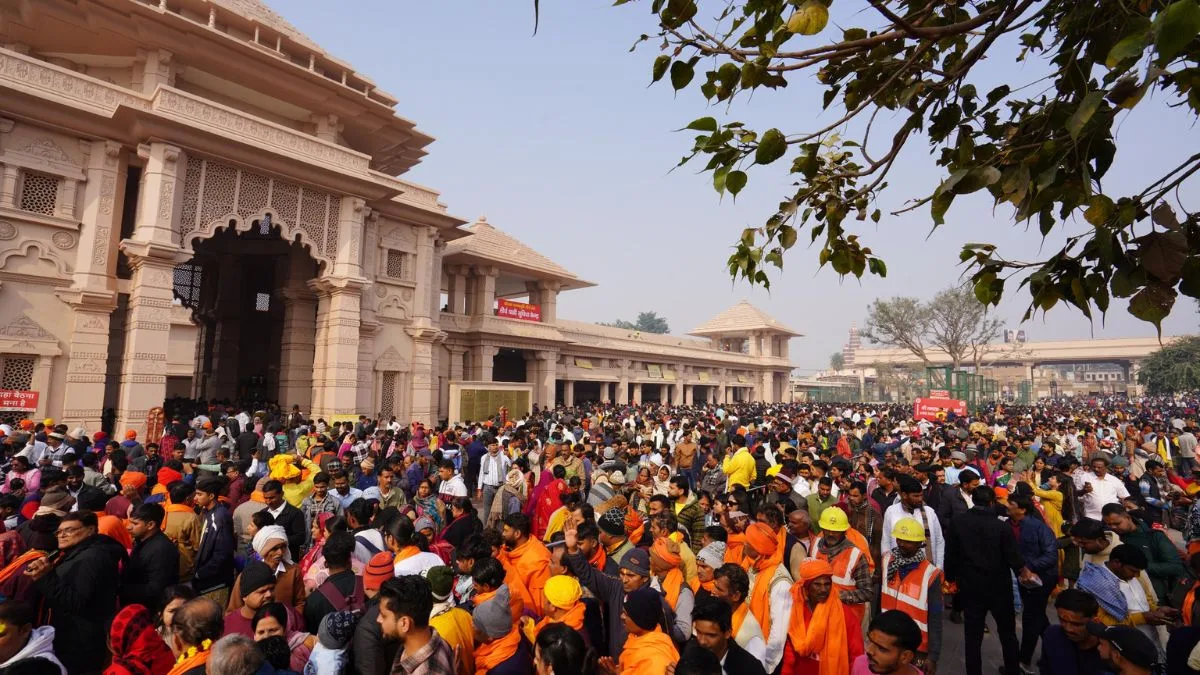
It was a sunny Sunday. Brillant, dazzling golden light lit up the saffron posters which dotted the lane. The area around Radu Babu’s tea shop in Kolkata’s Lake Market is usually chockablock each morning with crowds of people sitting around sipping chai and biting into buttered toast or biscuits discussing politics. A favorite haunt of not just the early risers of the city young and old, but of journalists, musicians, artists, actors, authors and thinkers. Election time witnesses an additional surge of energy with candidates in the fray, who are often regulars at these daily addas anyway, dropping in in spite of their hectic campaigning schedules. Dr Dasgupta was there along with his wife Resmi.
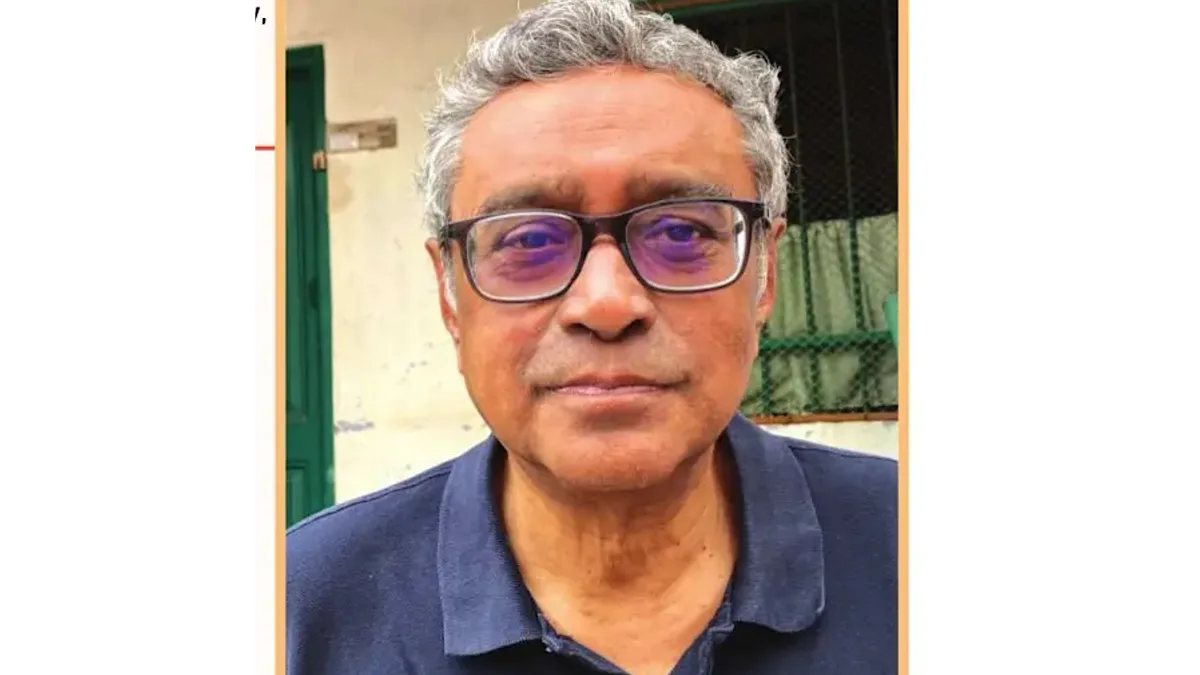
Dasgupta, the 70-year-old Oxford alumnus and columnist is spotted chatting with a friend. He and the other gentleman do not mind that I interrupt. Instead they, especially Dasgupta, is eager to hear the questions. He is a paragon of politeness, I noted. Here are excerpts from the conversation:
Advertisement
DM: In case the B JP comes to power in West Bengal what is its vision for the state?
SDG: It is not a question of “in case” but rather a question of “when the BJP comes to power”. We are very optimistic that we will secure a majority.
DM: What are the changes that we can expect?
SDG: Our main priority for West Bengal would be to create an environment of enterprise which would be good for business, for education and where the law and order situation would enable people to invest in West Bengal. We would focus on improving the law and order situation. I think West Bengal is suffering from a huge credibility crisis which began with the Left but actually took a heightened turn after the Singur (episode).
A lot of people say, “Well, if Tata cannot manage it how do you expect us to invest there?”
It’s very simple logic. So the restoration of confidence is probably the most important first step we have to take. After that, the amount of housekeeping which we have to do is just stupendous. And I think that things like Education is in a complete mess. It has completely collapsed. Health is also in shambles. Apart from that the general level of corruption that has taken place is incredible…. in fact, it isn’t even corruption….rather it is extortion. To clean all this up is what we really have to attempt to do. So the list of what we have to do is very long.
DM: Investment for industry is obviously important but there are concerns that this would come at the cost of environment.
SDG: I don’t think that in any part of India where the BJP is in power (the BJP is in power in about 20 states) there has been any complaint of any reckless destruction or spoiling of the environment. So I don’t think that there is that to worry about. In West Bengal there is a land issue. And at the same time there are large numbers of factories which will never come into business because they have been out of commission for the past twenty or thirty years. But the land is valuable. But the land is blocked. So we have to probably consider some enabling legislation whereby that land which has been set aside for industrial purposes can be reused for industrial purposes.
DM: Can we see the sick factories come to life again? Would Double Engine government (where the same party that rules the Centre also rules the state) be able to finally bring a solution to the problem of the sick factories which are stuck in litigation?
SDG: Yes of course. They have created a situation whereby anything which has the hand of the Central Government is treated as an object of suspicion. We don’t want to do that. This has to change. There will be things which will be applicable for West Bengal and good for West Bengal and there will be things which are not so relevant for West Bengal. I think the whole thing has to be discerned case by case. Overall our attitude should be that we have to work together with and use the Centre for the benefit of the people of West Bengal. And not use the Centre as a punching bag. Ayushman Bharat is a classic example of what can be done. Today, West Bengal, which has so many migrant laborers. They often cannot get their hospital expenses met because card issued to them has had no relevance outside West Bengal. Ayusman Bharat is relevant all over India. So this will be a great benefit to the people of West Bengal if they can avail it. This is just one example. There are other initiatives like the Smart Cities program.
DM: How would you match the Trinamool government’s populist/ welfare schemes and the public distribution programs such as Lakshmi’r Bhandar, Kanyashree and others?
SDG: We have promised a package of welfare measures which in quantitative terms is better than the ones provided by them. But there is a difference. We don’t see the welfare schemes as an end in themselves. But merely as an enabling system. Our priority is to create an environment whereby jobs, enterprise, industry can actually return to them. So we look at the welfare schemes in that context.