The American City Bengal Forgot
How the United States quietly built a functioning American township on the Hooghly to sustain victory in Asia during the Second World War
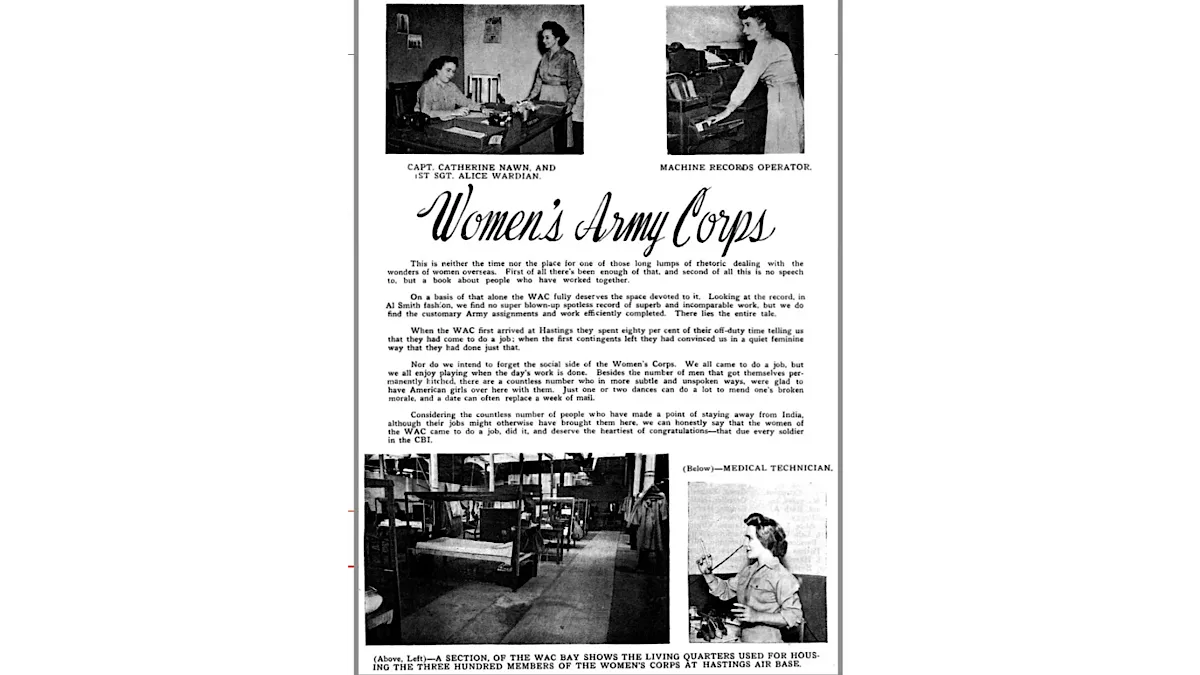
How the United States quietly built a functioning American township on the Hooghly to sustain victory in Asia during the Second World War
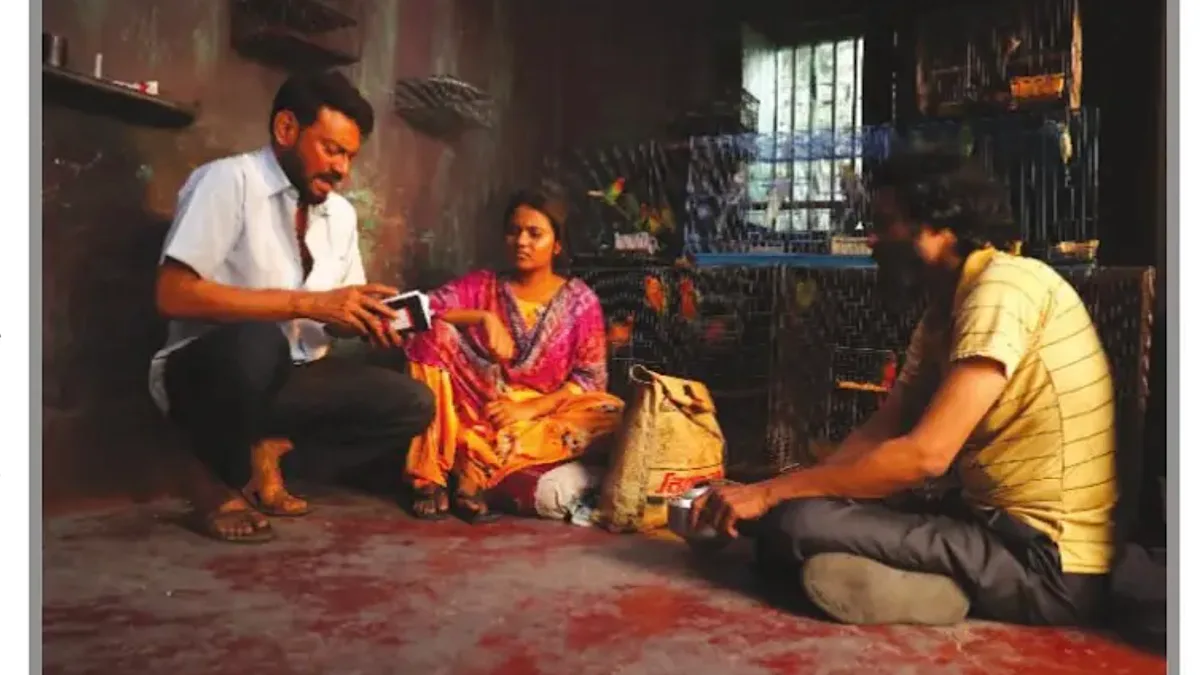
We are all caught up in our private traps,” as Norman Bates in Alfred Hitchcock’s 1960 thriller Psycho would have audiences believe.

A South Kolkata residential society organizes a spiritual festival on a stormy evening to commemorate the blessings of Lord Jagannath Bin hari kripa trina nahi dole….

Selling a mass-produced synthetic stringed instrument as an authentic Tripura Sarinda is now a punishable offense just like counterfeiting a luxury watch is.

It is heartening to see that steps are actually being taken to address the issue of littering in public places.
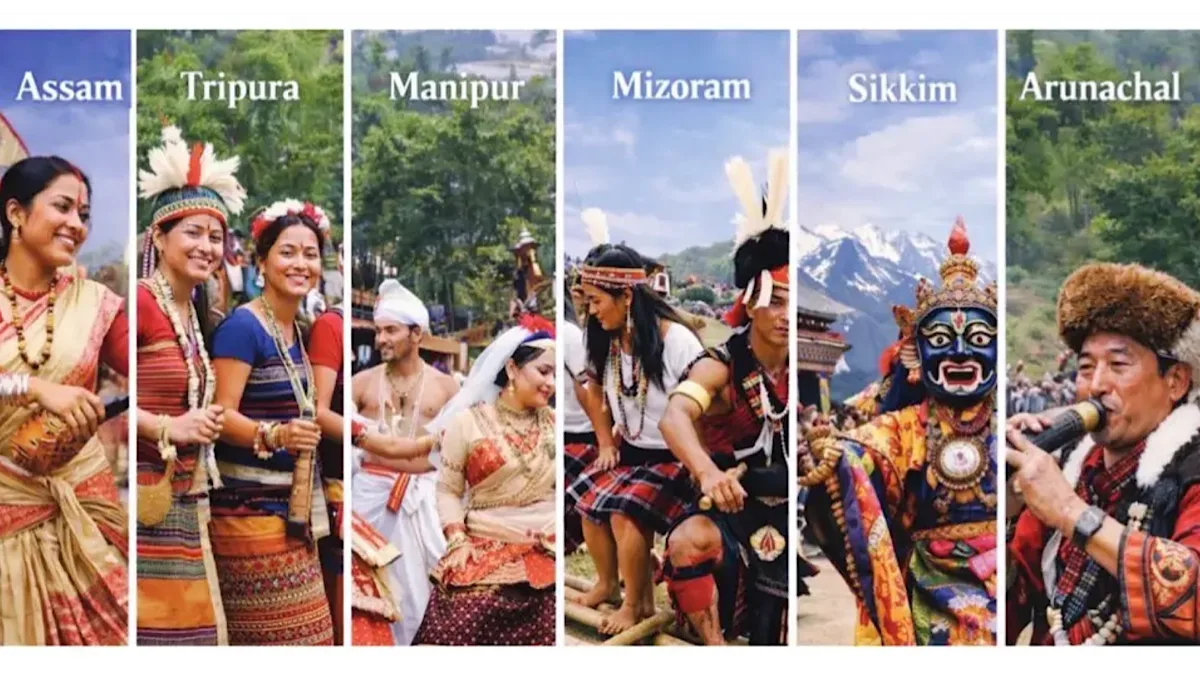
The festivals celebrated during this time are not merely ritualistic events; they are vibrant expressions of identity, ecological consciousness, and collective memory.
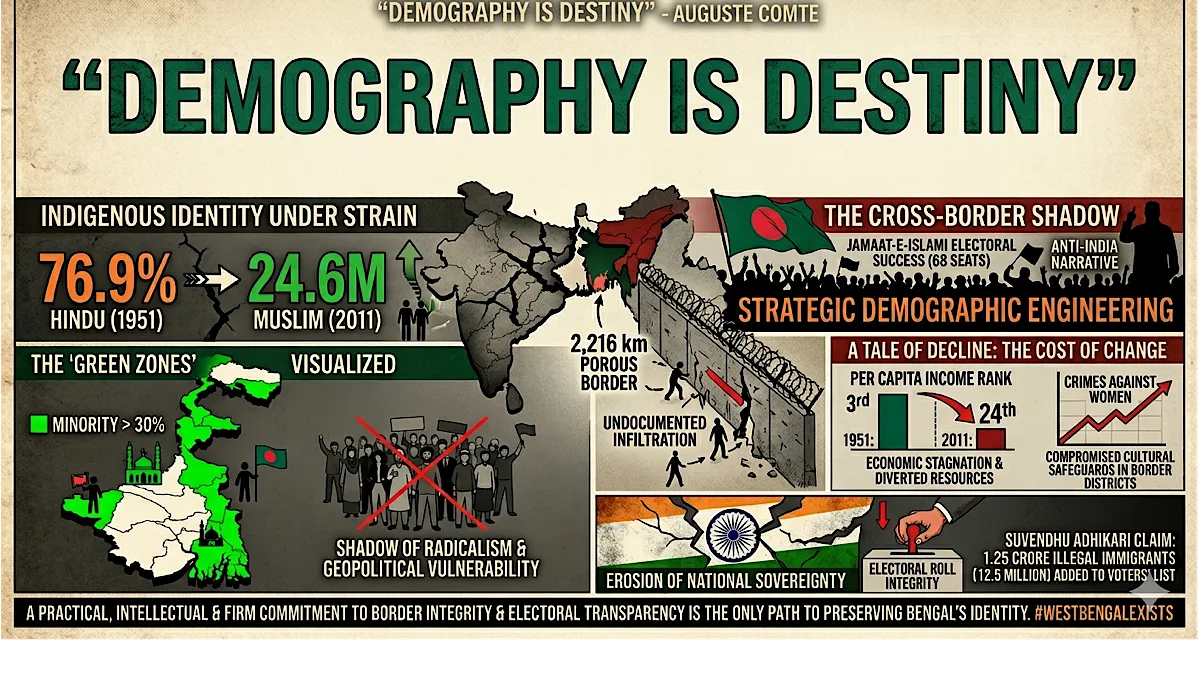
Auguste Comte, the 19th-century father of sociology, famously asserted that "Demography is destiny." For a state as culturally resonant and strategically vital as West Bengal, this is no longer a mere academic observation, but has become a pressing existential inquiry.
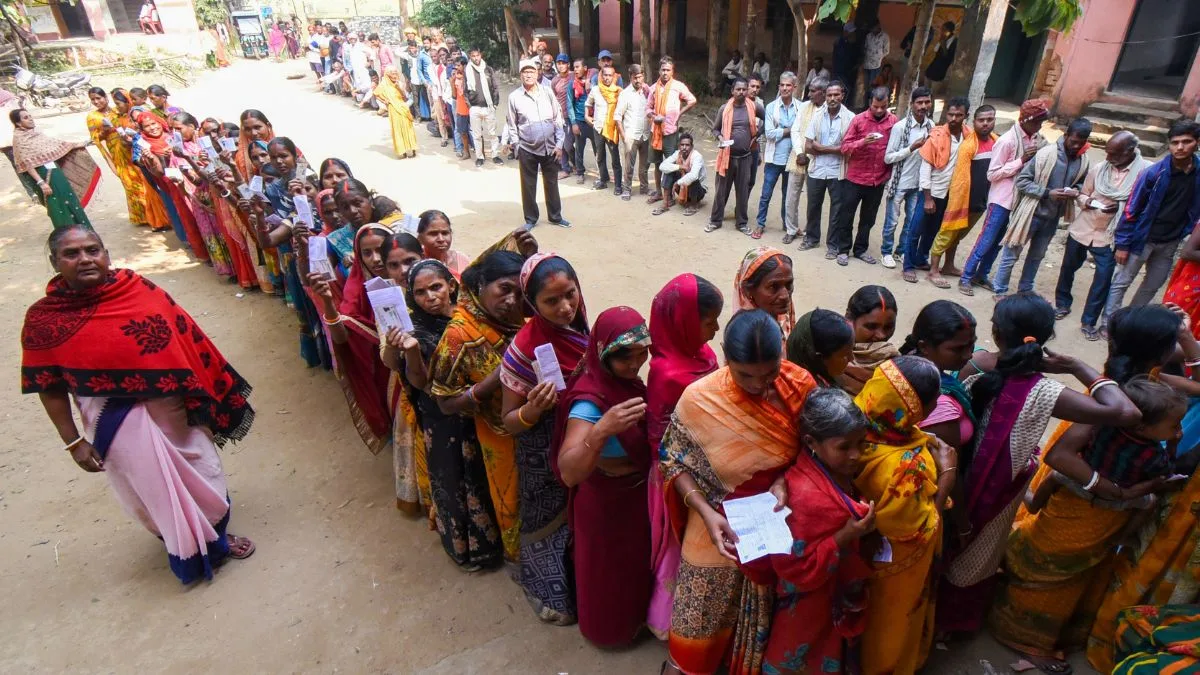
As West Bengal approaches the crucible of the 2026 Assembly elections, the familiar theatre of political contestation—replete with rhetoric, realignments, and recriminations—once again dominates the public sphere.
We had been introduced by a Chinese colleague of mine, a professor at Loyola Marymount University. After six months of emails and Skype conversations, I decided to travel to China to meet her and her parents, both prominent academics.

I live my life in the US like most Americans with one exception. I do not go to church on Sundays. However, I celebrate Easter and Christmas as social festivities.