From Indus Whistles to Algorithmic Beats
Sometime around 2500 BCE, in the dust-whorled streets of Mohenjodaro, a teenager sat on a flight of brick steps , idly blowing into a hand-moulded terracotta bird whistle.
Today is World Music Day. All over the world, people are celebrating music. Concerts are happening. Songs are being played.




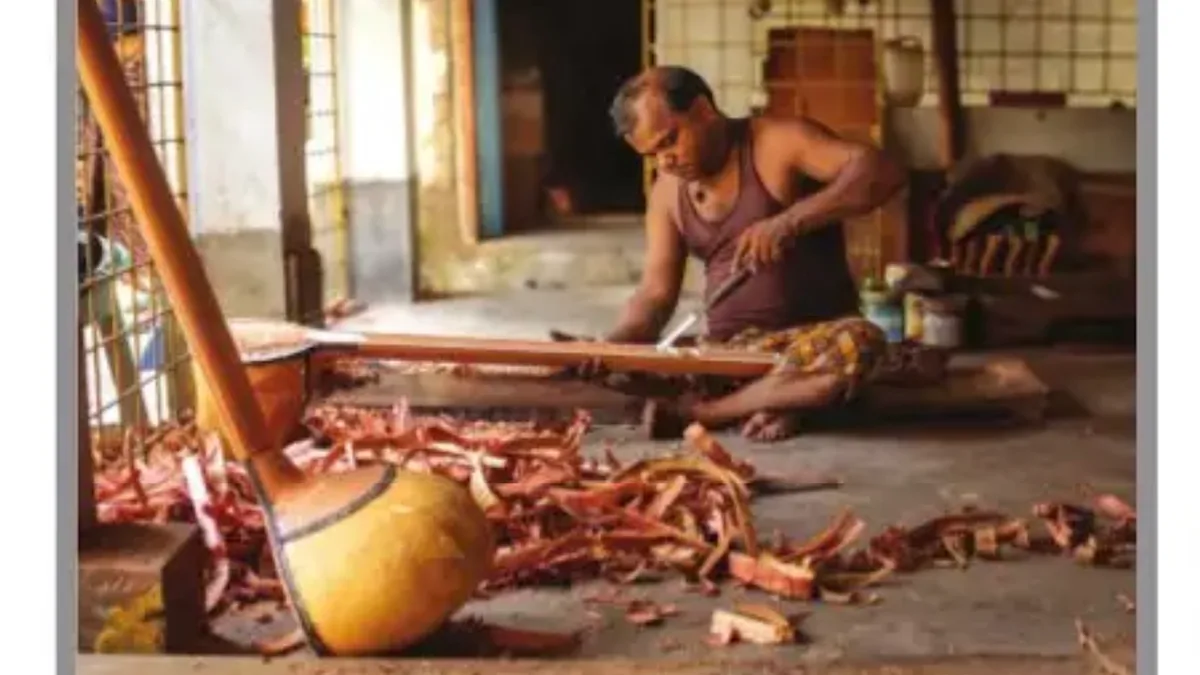
Photo:SNS
Today is World Music Day. All over the world, people are celebrating music. Concerts are happening. Songs are being played. But in a quiet village in Howrah district, the celebration looks a little different. Here, a man picks up a piece of wood. He turns it over in his hands. Runs his thumb along the grain. He has done this ten thousand times before. He is not a musician. But without him, there would be no music. Dadpur and Dhulasimla do not appear on most apps.
But inside their small workshops, some of the finest sitars in India are born. For over seventy years, families here have been shaping, carving, and tuning string instruments entirely by hand. Pandit Ravi Shankar, the man who took the sitar to the world stage, played an instrument that was made here. Sitarists like Partho Bose and Dilip Chatterjee get their instruments from this village. Music schools from Banaras to Uttarakhand place regular orders. Most people never know that. One artisan says with a quiet smile, “People remember the musician; very few remember who made the instrument. But that is fine. Our work is in the sound.” It all began with one man.
Advertisement
Tarapada Halder left Dadpur as a young man and travelled to Lucknow to learn sitar making. When he returned, he did not keep the knowledge to himself. He taught nearly a thousand artisans and turned Dadpur from a tile-making village into one of the most respected instrument-making clusters of India. His son, Shyamal Halder, carries that legacy forward today. He says: “This art requires not just delicate craftsmanship but a refined sense of music. It is achieved through rigorous training, passion, and perseverance.” Making a sitar is slow, careful, and meditative work. It begins with a giant hard-shell bottle gourd, soaked in water and then left to dry under the open sun for nearly a month. This one step decides the quality of everything that follows.
Advertisement
Shyamal says, “This step is very crucial. It determines the overall sitar quality.” While the gourds dry, craftsmen carve the long neck from seasoned toon wood or teak. Every cut is made by hand. Every curve is shaped by feel and experience. Once the body and neck are ready, they are joined, polished, decorated, and strung. A craftsman said, “Not a single part is made with the help of a machine. It is wholly dependent on human skill and acumen.” Then comes tuning. A craftsman plucks a string. He listens, adjusts, and plucks again. He does this until the notes ring clear. When asked how he knows when it is finally ready, he smiled: “When the sitar begins to speak clearly.” The sitars from these workshops travel all over India. Shops in Banaras, Delhi, Lucknow, and Pune place bulk orders. Foreign musicians carry them home.
And whether a student buys their first instrument or a seasoned performer orders a concert-grade sitar, the standard never changes. The craft faces real pressure. Fewer farmers grow the gourds. Wood costs more. Wages remain low. Shyamal’s own brother left for steadier work. But many stay. He says, “Preserving my father’s craft and the village’s legacy is more important than any financial constraint.” So the knowledge keeps moving. From old hands to young ones. From fathers to sons. One generation’s patience becomes the skill of the next generation. When Ravi Shankar played, the world listened. But in Dadpur, someone had already spent months making that moment possible. One artisan says, “The musician gives life to the music. But before that, the instrument spends months with us.” And a little piece of the village goes with it, every single time.
Advertisement