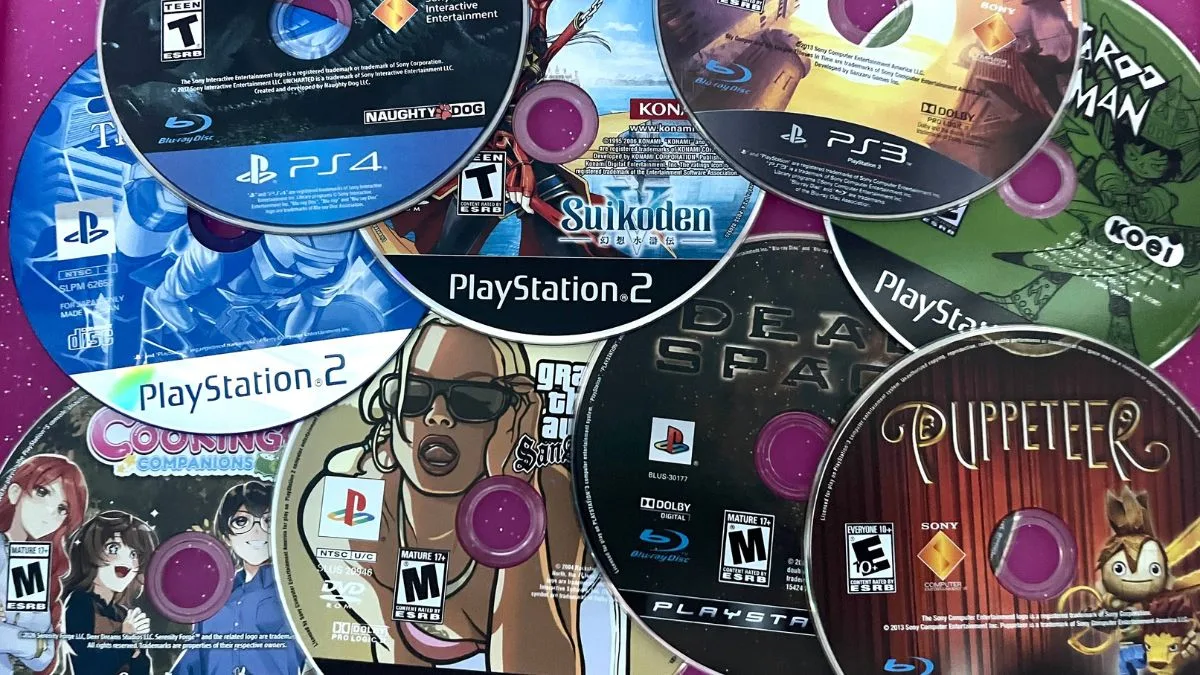
Sony just confirmed something gamers have seen coming for years. Physical PlayStation discs are going away. Not right now, but the end date is set.
Sony made the news official through a PlayStation Blog post on Wednesday. Sid Shuman, PlayStation’s senior director of content communications, wrote that disc production for new games will stop in January 2028. After that date, every new PlayStation game will only be sold digitally. That means through the PlayStation Store or as digital codes at retail stores.
Advertisement
Shuman called it a natural direction for Sony to adapt to consumer trends, since digital media preference significantly outpaces physical discs. In plain terms: most people already buy digital, so Sony is just following the numbers.
What won’t change
This is the part a lot of people are getting wrong. Sony made clear that this change has no impact on games that already released, or that will release, before January 2028 in disc format. So if a game comes out on disc before that date, it stays available on disc. Your existing disc collection still works. Your PS5 disc drive still reads discs.
One example Sony gave is Marvel’s Wolverine, which is scheduled to launch this fall and will still get a disc release. Anything announced or released after January 2028, though, goes digital-only.
Why now?
The writing has been on the wall for a while. Both Sony and Microsoft already sell disc-less versions of their consoles. The PS5 Digital Edition has existed since 2020. Even the PS5 Pro, Sony’s higher end console, ships without a disc drive by default. You have to buy the drive separately if you want one.
Sony’s own numbers support the move too. PlayStation owners buy the overwhelming majority of their games digitally already. Physical sales have been sliding for years, not just for Sony but across the industry.
There’s also a cost angle nobody at Sony said outright, but multiple outlets pointed to it. Making physical discs costs money. Packaging, manufacturing, shipping, retail shelf space, all of it adds up. Cutting that out saves money on every game sold.
The GTA 6 connection
This announcement lands right after a separate controversy. Grand Theft Auto 6 fans found out that the game’s so called physical edition won’t actually include a disc. It’ll be a box with a download code inside. Fans were not happy about paying for something they can’t hold or resell in the traditional sense.
That controversy didn’t cause Sony’s decision, since a shift like this takes years to plan. But the timing makes the announcement feel like part of a bigger pattern. Game boxes with codes instead of discs are becoming normal, not the exception.
What happens to old stores?
Sony also announced something separate but related. The PlayStation Store on PS3 will shut down in select markets later this year. The PS3 and PS Vita stores will close globally next year. Once that happens, nobody can buy new digital content for those systems again.
Sony said games already purchased on those platforms will stay downloadable for the foreseeable future. But “foreseeable future” is doing a lot of work in that sentence, and it’s not a permanent promise.
The bigger worry: Ownership
Here’s where things get uncomfortable for a lot of players. When you buy a digital game, you are not really buying the game. You’re buying a license to use it. A Sony spokesperson told Game File that with digital content, including games, movies, and music, players are purchasing a personal license for non-commercial use. That’s very different from owning a disc you can keep on a shelf forever.
This isn’t a hypothetical risk either. Sony has already pulled digital content before. The multiplayer game Concord got fully unreleased just weeks after launch back in 2024, and refunds were issued because the game basically stopped existing. Just last week, separate from this announcement, Sony deleted hundreds of movies that users had already paid for from their digital libraries.
Preservation groups and collectors have raised alarms about this exact scenario for years. Once a storefront shuts down, or a publisher pulls a license, digital purchases can disappear. There’s no shelf to walk to and grab the disc.
The end of reselling and trading
There’s a practical side effect too. Physical games can be resold, traded in, or lent to a friend. Stores like GameStop built entire business models around this. Digital licenses generally can’t be resold or shared the same way.
So while Sony frames this purely as following consumer demand, it also quietly removes the used game market for anything released after January 2028. That’s good for publishers financially, since used sales don’t put money in their pocket anyway. It’s not as good for players who relied on trading games in or buying used copies cheaper.
How PlayStation compares to rivals
Nintendo already stopped digital purchases on the Wii back in 2019 and did the same for the 3DS in 2023. So Sony closing PS3 and Vita stores follows a pattern other companies have already set.
Microsoft is the outlier here. Xbox still supports purchases across all four generations of its consoles, something Sony’s approach won’t match once the PS3 and Vita stores go dark.
This decision also hints at what’s coming next. Industry analysts believe it strongly points toward the next PlayStation console skipping a disc drive entirely in its base model, similar to how the base PS5 model already works today. Keeping manufacturing costs down seems to be part of the long-term plan, not just something specific to this announcement.
For now, note that nothing changes for your current library. Discs you own still work. Games releasing before January 2028 will still ship on disc. But starting that month, physical PlayStation game discs stop being made entirely. It’s a slow fade rather than a sudden cutoff, and it lines up with where the entire industry has been heading for years.