Question: 11 years on, did you ever imagine Baahubali would become so epoch-defining?
Answer: Honestly, no. We knew we were trying something India hadn’t attempted before, a two-part film on that scale, and we believed completely in Rajamouli’s vision. Beyond that, we were simply focused on making the best film we possibly could. You can’t plan for a film to become “epoch-defining.” Looking back, it’s incredible to see the impact it had, the confidence it gave the industry, and the way it traveled across India and around the world. But that’s something the audience gave us. We were simply trying to tell a great story as well as we could.
Advertisement
Question: Walk me through the inception and execution of Baahubali.
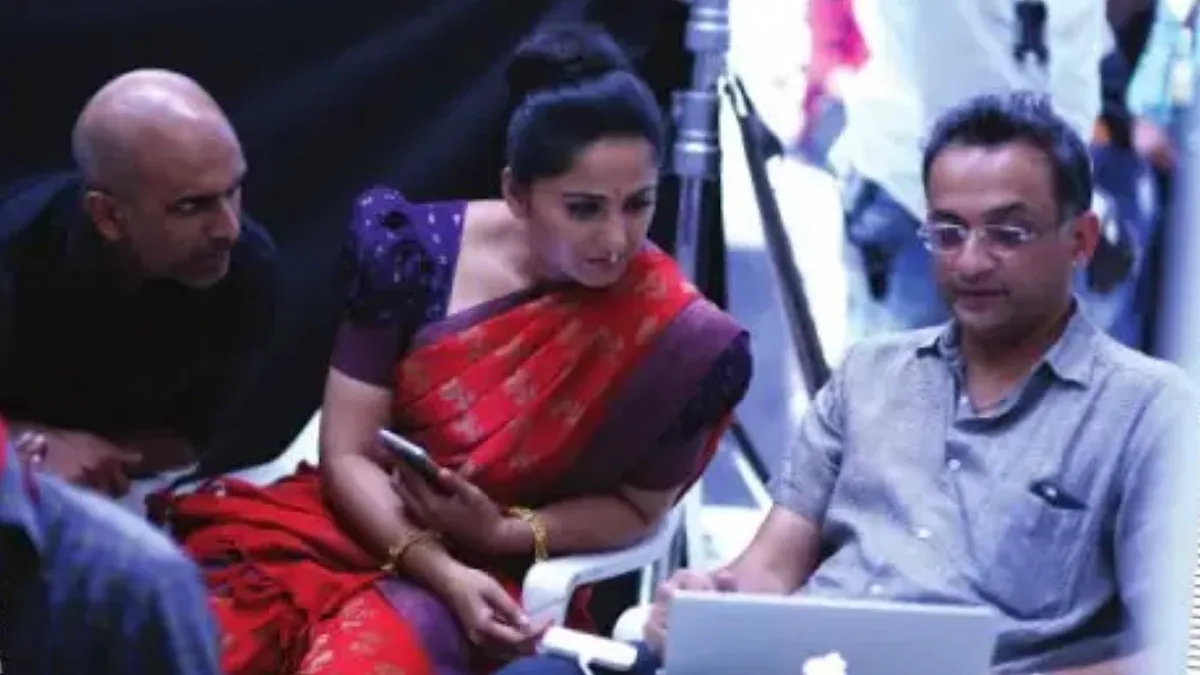
Answer: It began around 2011 when Rajamouli first narrated the story. Right from the start, it was clear this was unlike anything we had attempted before, but we were also certain we were going to do this. Pre-production took well over a year. We spent that time building the world, creating concept art, and developing the VFX and production pipeline. Since nothing of this scale had been done in India, we were learning and building as we went. Co-producer Prasad Devineni and I often say it felt like running a startup. We were building teams, technology, and production infrastructure while making the film itself. Looking back, it feels less like we made a film and more like we built an entire ecosystem to make films like Baahubali possible.
Question: What was your reaction when Rajamouli first came to you with the subject?
Answer: Excitement first. Panic shortly afterward. Having worked with him before, I knew his ambition was always backed by clarity and preparation. Our job as producers was to make sure the production and financing never became a limitation. We committed to the vision first, and then spent the next five years figuring out how to make it happen. Question : How did the team overcome the financial and logistical hurdles? Answer: Structure and faith. Splitting the story into two parts made it financeable. We pre-sold territories carefully, brought in the right partners for each market, and kept finding funds for the film as we went. There were genuinely difficult stretches. A five-year production tests your cash flow, your nerves, and your patience. We had sets that stood for years, hundreds of technicians working across changing schedules, and actors committing nearly five years of their careers. What held it all together was the people. Everyone, from Prabhas to the junior-most technician, treated it as a mission rather than just another job. I think that’s what made the difference.
Question: If you had to do it again, would you do anything differently?
Answer: I would like to say I would worry less, although I’m not sure any producer is really capable of that. Today, we have a much better understanding of visual development, previsualization, and overall pre-production planning. During Baahubali, we were building many of those capabilities while making the film. So, I think today we would have a more confident approach. Creatively, though, I wouldn’t change much. Many of the difficult decisions and unexpected challenges ultimately made the film stronger. You don’t always see that when you’re in the middle of it, but you appreciate it in hindsight.
Question: Was Prabhas the first and only choice?
Answer: Yes, he was. Prabhas came first and then the story! He had the physical presence, but more importantly, he had the sincerity and nobility the character needed. What Prabhas committed to was extraordinary. He dedicated nearly five years of his career to these films, transformed himself for both Amarendra and Shivudu, and never asked, “How much longer?” That kind of commitment is incredibly rare. The same was true of the entire cast. Rana, Anushka, Ramya Krishna Garu, Sathyaraj, Nassar, and Tamannaah stayed with the project through a very long and demanding production. Baahubali was possible because so many people committed themselves to it for years.
Question: Where do you see the franchise going?
Answer : We’ve always believed Baahubali was bigger than two films. Mahishmati is a rich world, and many stories are waiting to be told. Animation is the next step for us. Baahubali: The Eternal War, directed by Ishan Shukla, gives us the opportunity to expand the universe in a completely new way. It’s also exciting because we’re collaborating with some of the best talent from India and around the world. The response at Annecy was especially encouraging. It showed us that stories rooted in India can connect with audiences everywhere when they’re told with authenticity and world-class craft. Beyond animation, we’re open to exploring other formats, whether that’s games, publishing, or streaming. But we’ll only do it if it feels true to the world we’ve built. The goal has never been to simply make more Baahubali. It’s to tell stories that are worthy of the Baahubali name.