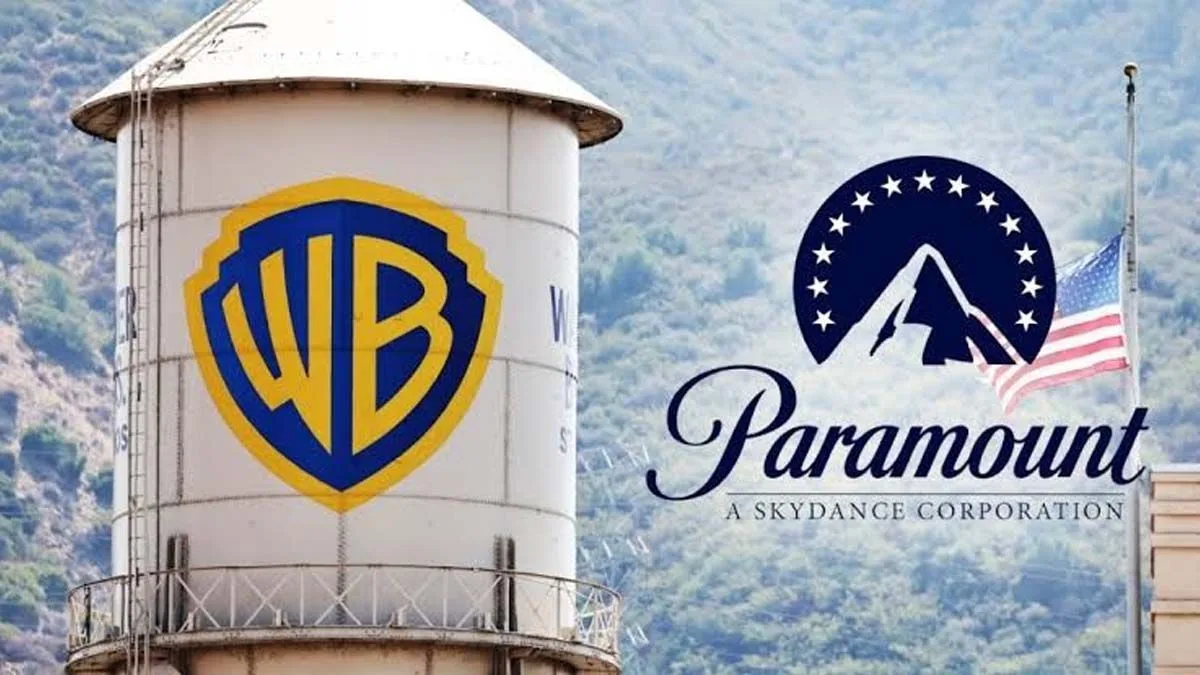
A federal judge has hit pause on Paramount’s $111 billion takeover of Warner Bros. Discovery. The order came on Monday, just days before the deal was set to close.
US District Judge Araceli Martínez-Olguín, of the Northern District of California, granted a temporary restraining order in favor of a coalition of 12 state attorneys general. They had sued to block the merger, arguing it would break federal antitrust law.
Advertisement
What the order says
The TRO stops Paramount and Warner Bros. from closing the deal. It also bars both companies from taking any steps to combine their operations while the case moves forward.
The order lasts 14 days. Martínez-Olguín left room to extend it to 28 days if both sides agree. She also set a hearing for August 3. That hearing will decide whether a preliminary injunction should freeze the deal for longer, while the underlying lawsuit plays out in court.
In her written order, the judge said the public has a strong interest in antitrust enforcement. She noted that Paramount would not suffer real harm from a short delay, since both companies can keep operating as separate businesses in the meantime.
Why the states sued
California Attorney General Rob Bonta led the coalition. The states filed suit on July 13. They argued the merger would wipe out competition between two of Hollywood’s biggest studios, and hurt movie theaters, cable providers, and everyday viewers.
Their complaint pointed to three specific markets. These include wide release theatrical films, big-budget tentpole movies, and basic cable channel licensing. The states also warned that the combined company could control close to a third of the cable market. That kind of control, they said, could push prices higher across the industry.
Paramount’s response
Paramount pushed back hard against these claims. The company argued that joining forces with Warner Bros. would not weaken competition. Instead, it said the merger would help it compete against streaming giants like Netflix and Amazon, which now dominate much of the entertainment business.
In a statement, Paramount said it welcomed the court’s quick ruling on the restraining order. The company framed the pause as similar to a timing agreement it had already offered to accept voluntarily.
A deal already under pressure
Paramount and Warner Bros. Discovery struck their acquisition agreement back in February. Paramount won the company after a competitive bidding process that included Netflix.
Since then, the deal has faced growing scrutiny. The Writers Guild of America filed its own lawsuit a day after the states did. The union argued the merger would cut down on the number of buyers for scripts, weakening pay and terms for writers.
Paramount also faces a separate lawsuit from shareholders. That suit alleges CEO David Ellison and his father, technology billionaire Larry Ellison, struck a side deal with President Trump involving changes at CNN. Paramount has firmly denied any such arrangement.
Not every legal challenge has gone against Paramount. The same judge already turned down a request for injunctive relief in a separate lawsuit filed by Paramount+ subscribers.
What happens next
Paramount is racing against the clock. The company has a September 30 deadline to close the deal, or it could face a financial penalty. That leaves a narrow window between the August 3 hearing and the end of September for the legal fight to play out.
The merger also faces hurdles outside the United States. European Union antitrust regulators are still reviewing the transaction. In Britain, the culture secretary has said she is considering stepping in, citing worries about too much media ownership concentrated in one company.
If completed, the merger would bring together two of the oldest studios in Hollywood. Paramount’s film business dates back 114 years. Warner Bros. is a year older. The combined company would also merge two streaming platforms, two major news organizations, and franchises like Batman and Superman under one roof, controlled by David Ellison.