Actress and singer Saba Azad has always been vocal about supporting women-driven stories and narratives in cinema. She believes the industry is slowly changing and becoming more inclusive, giving women-centered narratives the space they deserve.
“I’m happy to see decision makers finally acknowledging women as a significant audience,” Saba told IANS. “Films and digital shows are now telling stories that matter to women. We still have a long journey ahead, but it’s a start.”
Advertisement
Saba’s choices in acting and music have often reflected her bold approach. One of her recent films ‘Bandar (Monkey in a Cage)’, directed by Anurag Kashyap and produced by Nikhil Dwivedi, premiered at the Special Presentations section of the Toronto International Film Festival (TIFF).
The film is a drama about power, trauma, and memory. It exploring the story of a superstar accused of rape, and the failings of the justice system. The film stars Bobby Deol, Sanya Malhotra, and Sapna Pabbi alongside Saba.
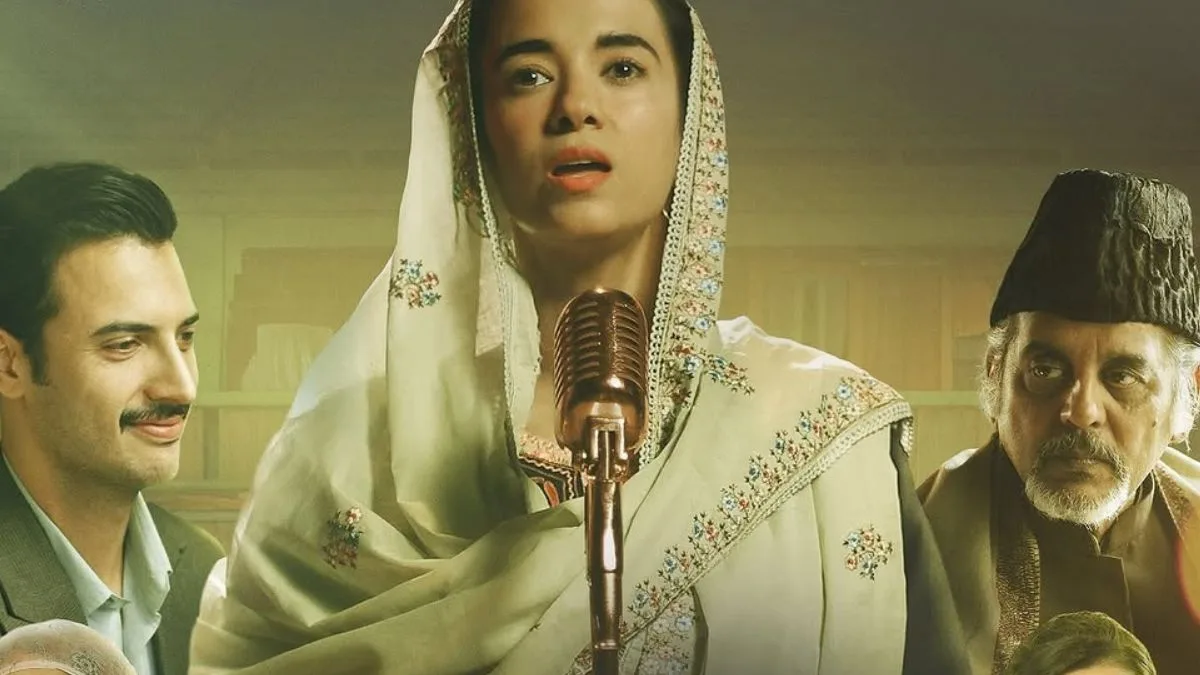
Saba also recently starred in ‘Songs of Paradise’. It is a musical drama that draws inspiration from the life and work of Kashmiri singer Raj Begum. The film celebrates her legacy through Abhay Sopori’s music and Masrat Un Nissa’s vocals. In this film, Saba shares the screen with actor Zain Durrani, which has stirred conversation in the industry.
The discussion picked up after writer and actress Saloni Chopra raised concerns about Bollywood continuing to cast men accused of misconduct. She took to her social media platforms to call out the industry for sidelining women who speak out. Saloni pointed out that featuring Zain Durrani in ‘Songs of Paradise’ highlights this ongoing issue. She placed an important question on how the industry often rewards men despite serious allegations.
Now this has gone on to spark a larger conversation about the balance between optimism and accountability for greater good in Bollywood. While on one hand, actors like Saba see progress, more films exploring women’s realities and giving female-led stories prominence, on the other hand, voices like Saloni’s remind everyone that systemic problems remain.