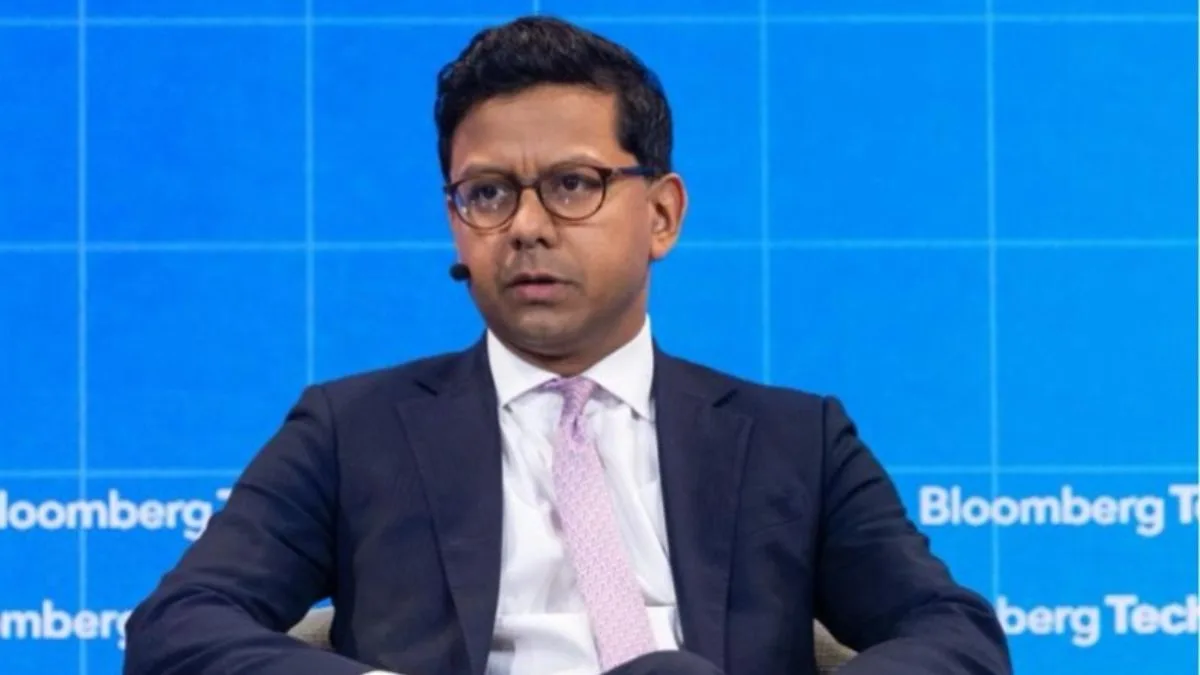
This week, actor Kunal Kemmu found himself in the middle of heated online debate after speaking about Deepika Padukone’s widely discussed demand for shorter working hours in film industry. What began as a discussion on work culture during a podcast with his wife, actor Soha Ali Khan, quickly spiralled into a storm of reactions across social media.
At the heart of the controversy is a question that has been simmering in Bollywood for years: should the industry adapt to healthier working hours, especially for actors who become parents?
Advertisement
Deepika Padukone’s earlier call for an eight-hour workday had already triggered conversations about work-life balance. But Kemmu’s comments about “planning pregnancy” have now added fuel to the fire.
The 8-hour workday that started it all
The debate goes back to last year, when Deepika Padukone publicly spoke about the need for an eight-hour work shift for actors.
The actress argued that film industry often demands extremely long workdays which sometimes stretching to 12-14 hours. For many actors especially those with families, such schedules can be exhausting and unsustainable.
Deepika’s suggestion was simple: adopt a work structure closer to regular industries, where eight hours of work is considered standard.
The conversation became even louder after reports suggested that the actress wanted such a schedule after becoming a mother. According to industry chatter, she wanted to balance filming commitments while spending time with her daughter, Dua.
Supporters praised the idea as a much-needed reform in Bollywood’s intense work culture.
Critics, however, felt the demand could complicate film production schedules.
What Kunal Kemmu said
The controversy exploded after Kunal Kemmu discussed the topic during a podcast conversation with Soha Ali Khan.
During the chat, Kemmu shared his thoughts on actors asking for shorter working hours while still expecting same pay. He argued that such demands could become difficult for producers responsible for budgets and schedules.
According to Kemmu, if someone wants that level of control over working hours and financial terms, they should consider becoming producer and investing their own money into projects.
He explained that film shoots operate under tight deadlines and budgets. If star chooses to work fewer hours, it could delay production and increase costs.
Kemmu said that when someone invests their own money in a film, they understand the financial risks better and can decide their own work schedule.
But it was his next comment that really caught people’s attention.
While discussing motherhood and career planning, Kemmu said that pregnancy comes with an “incubation period of nine months,” suggesting that people can plan their professional commitments during that time.
He also added that if someone chooses to become a parent, that decision should be planned in a way that does not disrupt the larger system of work.
Kemmu clarified that he was speaking in general terms and not specifically targeting women. He said the idea applies to men as well and called it a “mindset issue” rather than a gender issue.
Still, the internet had plenty to say.
Social media isn’t holding back
Within hours of the podcast clip circulating online, social media platforms filled with strong reactions.
Many users felt Kemmu’s remarks were dismissive of the challenges women face while balancing career and motherhood.
Never knew he is such a misogynist
by
u/ProfitAccording4178 in
BollyBlindsNGossip
One widely shared comment said that asking women to plan pregnancies around film schedules reflects deeper problems in industry’s work culture.
Another user argued that instead of expecting women to adjust their lives to suit work schedules, industry should modernise its work practices.
Several people also pointed out the irony that Bollywood often tolerates delays, reshoots, sudden schedule changes when it comes to major stars.
But when an actress asks for shorter working hours after becoming a mother, it suddenly becomes controversial.
Some reactions were sharper.
One user described the situation as “peak Bollywood mansplaining,” saying it felt strange for a male actor to explain how women should manage pregnancy and careers.
Others called the comments outdated and said the conversation shows how resistant the film industry still is to change.
How this debate unfolded
The topic of work hours had already been trending because of Deepika Padukone’s reported exit from a major film project.
In 2025, reports suggested that Deepika stepped away from the film ‘Spirit’ directed by Sandeep Reddy Vanga. According to rumours, disagreement involved her request for an eight-hour workday and a share in the film’s profits.
The actress reportedly wanted limited working hours so she could spend time with her daughter.
While neither side publicly confirmed every detail, this news sparked massive discussions about how Bollywood handles actors’ schedules.
Soon after the ‘Spirit’ controversy, another development kept the conversation alive.
The makers of the sequel to ‘Kalki 2898 AD’ reportedly announced that Deepika Padukone would not be part of the project.
The reason cited was “commitment issues.”
Around the same time, fresh reports appeared online claiming that the actress had asked for a seven-hour work shift and higher pay. These demands were said to have contributed to the fallout with the production team.
Once again, the situation triggered debates about whether the industry is ready to accommodate changing work expectations.
For decades, Bollywood has functioned with extremely long shooting hours. Crew members and actors often spend entire days and nights on set to complete scenes.
Supporters of the current system argue that filmmaking is unpredictable. Weather, locations, and technical challenges often force schedules to stretch beyond normal office hours.
But critics believe the industry has simply normalised an unhealthy work culture. They point out that most professions now recognise the importance of work-life balance.
If companies across the world can adapt to humane working hours, they argue, why can’t the film industry?