Delhi Chief Minister Rekha Gupta on Friday visited Arts Faculty at the Delhi University to take part in a signature campaign in support of the Nari Shakti Vandan Act and interacted with students and teachers.
Addressing a gathering at the unitversity, she underlined the urgent need to increase women’s participation in governance and policymaking. The Rekha Gupta stated that a meaningful change can only take place when women occupy positions of decision making which will enabl them to address issues that directly affect society, families, and their own lives.
Advertisement
In this context, she cited the Delhi government initiatives, such as ‘Lakhpati Bitiya’ and ‘Anmol’, which she described as the outcomes of a sensitive and inclusive approach to women’s empowerment and their social security.
An event organised on the occasion highlighted the importance of women’s leadership and equal representation through messages like ‘It’s time for women to lead’ and ‘Empowered women, prosperous nation’.
CM Gupta described the ‘Nari Shakti Vandan Act’ as a historic step for women’s empowerment, expressing her gratitude to Prime Minister Narendra Modi for its passage.
She said the legislation carries forward the journey from ‘Beti Bachao’ to ‘Beti Padhao,’ and urged young people to actively support the initiative, extending their help for turning it into a mass movement, giving the message that true democratic strength lies in equal participation in decision-making.
Expressing confidence in the law’s impact, Gupta said it would redefine political representation in the country and help build a stronger, more balanced and progressive democracy.
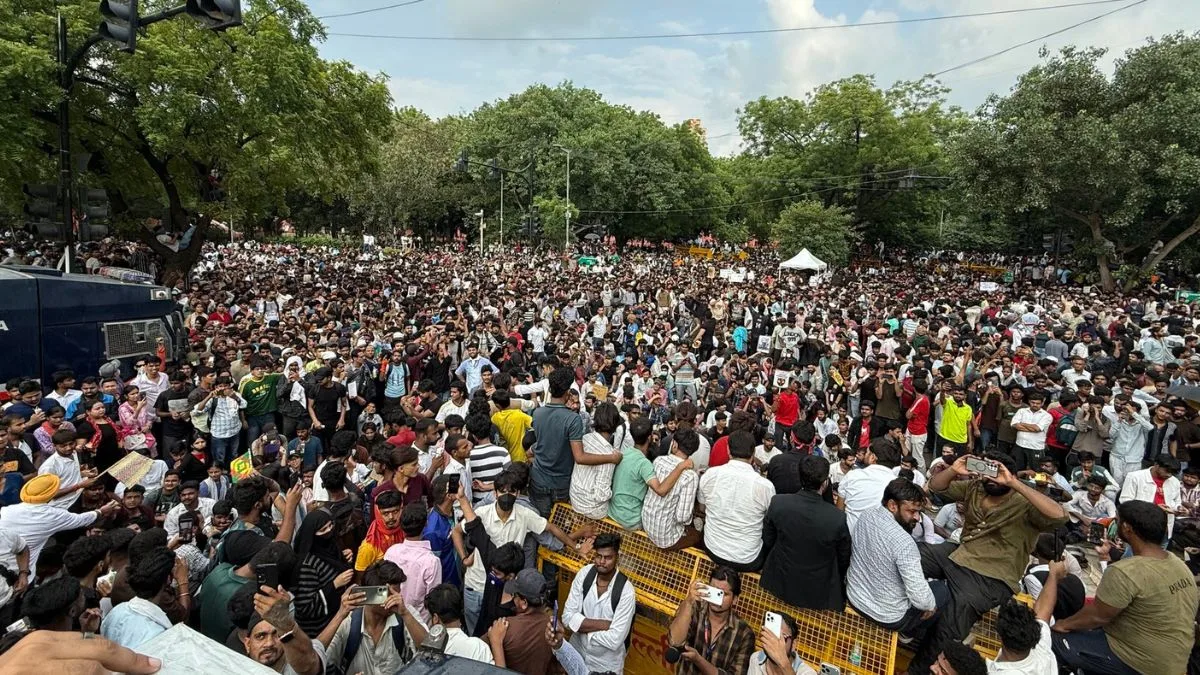
Meanwhile, a large number of students, teachers, and citizens came forward to attend the event and extended their support to the campaign.
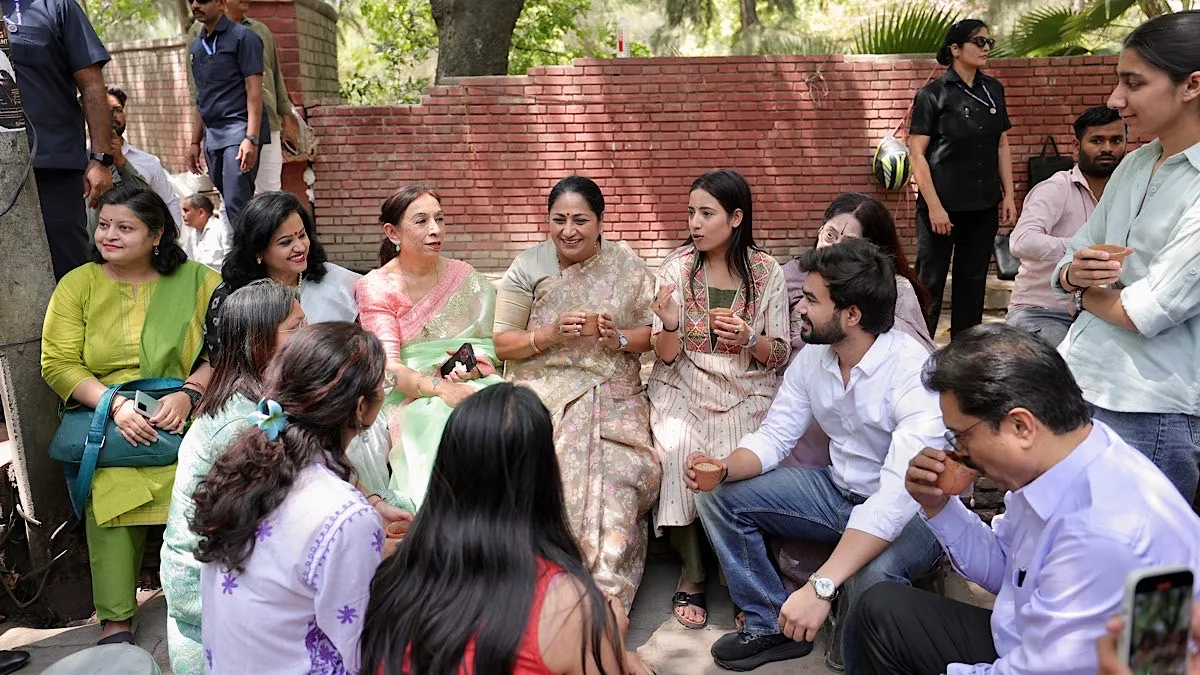
Following the campaign, the CM informally interacted with students and women faculty members at a tea stall on campus.
While sipping tea, she listened attentively to students’ views, experiences, and suggestions.
According to the CM, the interaction reflected the importance of open and direct communication between public representatives and citizens, noting that the simpler and more accessible this dialogue is, the more effective and people-centric policymaking becomes.