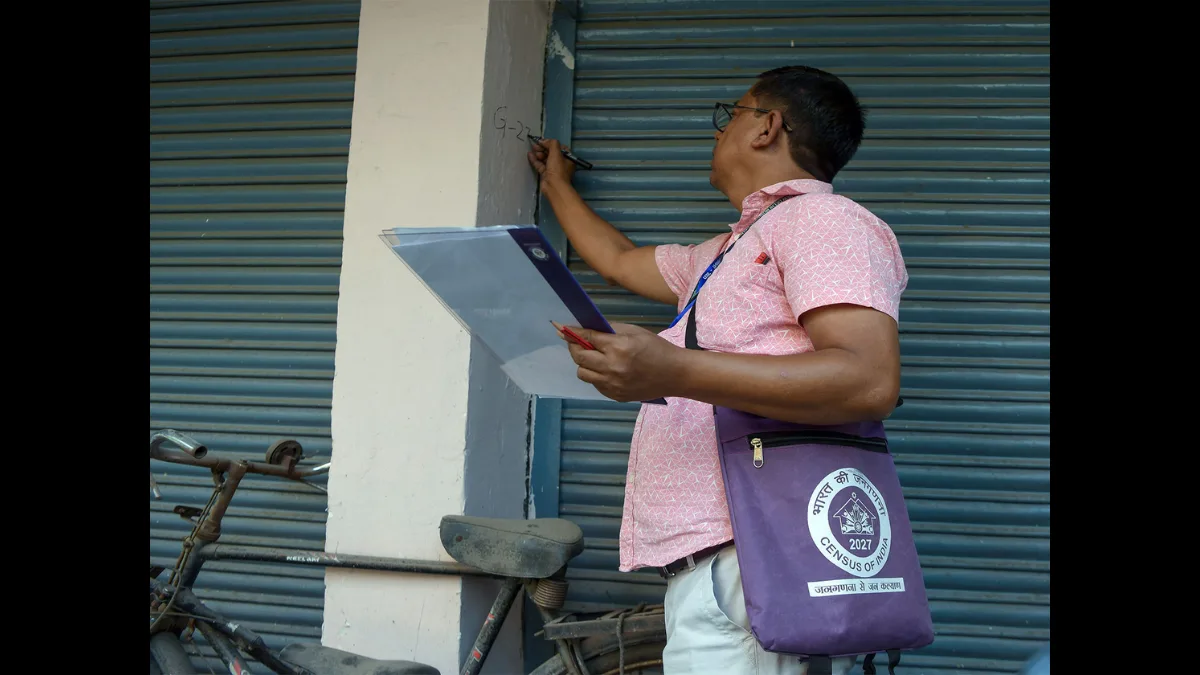
A fresh debate has emerged across the Rajbanshi-dominated districts of North Bengal as India’s caste census is all set to begin on August 1, 2026. The confusion lies with how members of the community should identify themselves during the enumeration, particularly with regard to their caste and mother tongue.
Several organisations and intellectuals have launched awareness campaigns across the plains of North Bengal, including Cooch Behar, Jalpaiguri, Alipurduar, North Dinajpur, South Dinajpur and Malda. They have urged members of the community to declare their caste as Rajbanshi and their mother tongue as Rajbanshi during the census.
Advertisement
However, the campaign has reignited a long-standing debate, with another section insisting that the language should be identified as Kamtapuri, arguing that official recognition should be sought under that name.
Some proponents have suggested that “Kamtapuri” should be mentioned first, with “Rajbanshi” placed in brackets.
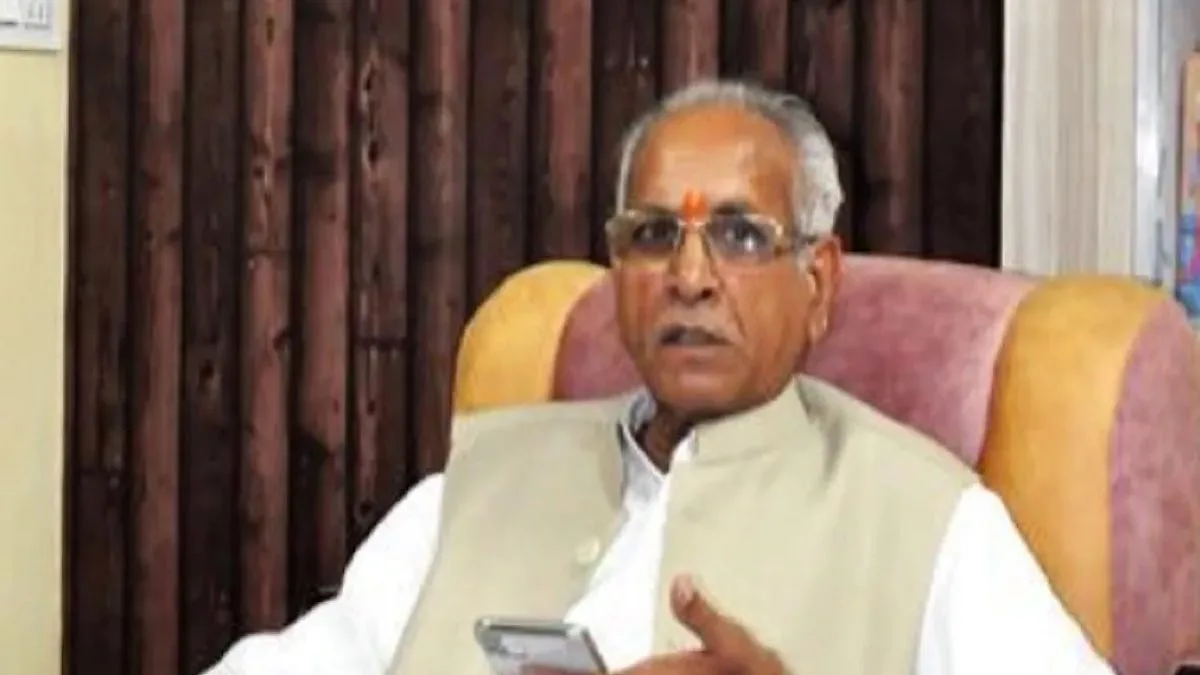
West Bengal Minister of State for Finance Anandamay Barman has strongly backed the Rajbanshi position. Speaking to reporters, Barman appealed to members of the community to identify themselves as Rajbanshi in the caste census and to record their mother tongue as Rajbanshi.
“Caste is Rajbanshi, not Kamtapuri. Likewise, the mother tongue spoken by the Rajbanshi people is Rajbanshi. People should mention both accordingly during the census,” Barman said.
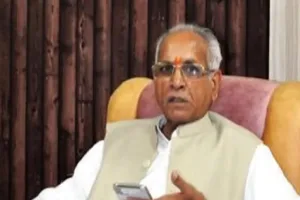
Supporting the same stand, Banshibadan Barman, chief of the Greater Cooch Behar People’s Party (GCPP), questioned the need for what he described as an avoidable controversy.
“When the BJP, in its election manifesto, has promised recognition of the Rajbanshi language by including it in the Eighth Schedule of the Constitution, and when Union Home Minister Amit Shah has publicly made that commitment, there is no reason to replace Rajbanshi with Kamtapuri. The community should identify itself as Rajbanshi and mention Rajbanshi as its language. That alone will strengthen the demand for constitutional recognition,” he said.
Banshibadan Barman also maintained that members of the Nashya Sheikh Muslim community who identify themselves as Rajbanshi are free to declare Rajbanshi as their mother tongue.
Responding to the issue, one of the senior campaigners associated with the movement for recognition of the Rajbanshi language since before the 2011 Census said that while an individual’s religious identity was a personal matter, anyone who speaks Rajbanshi should have no hesitation in declaring Rajbanshi as their mother tongue during the census.
“The question of what caste they mention is entirely their decision. We have nothing to say on that. But if they speak Rajbanshi, there should be no objection to mentioning Rajbanshi as their mother tongue,” the campaigner said.
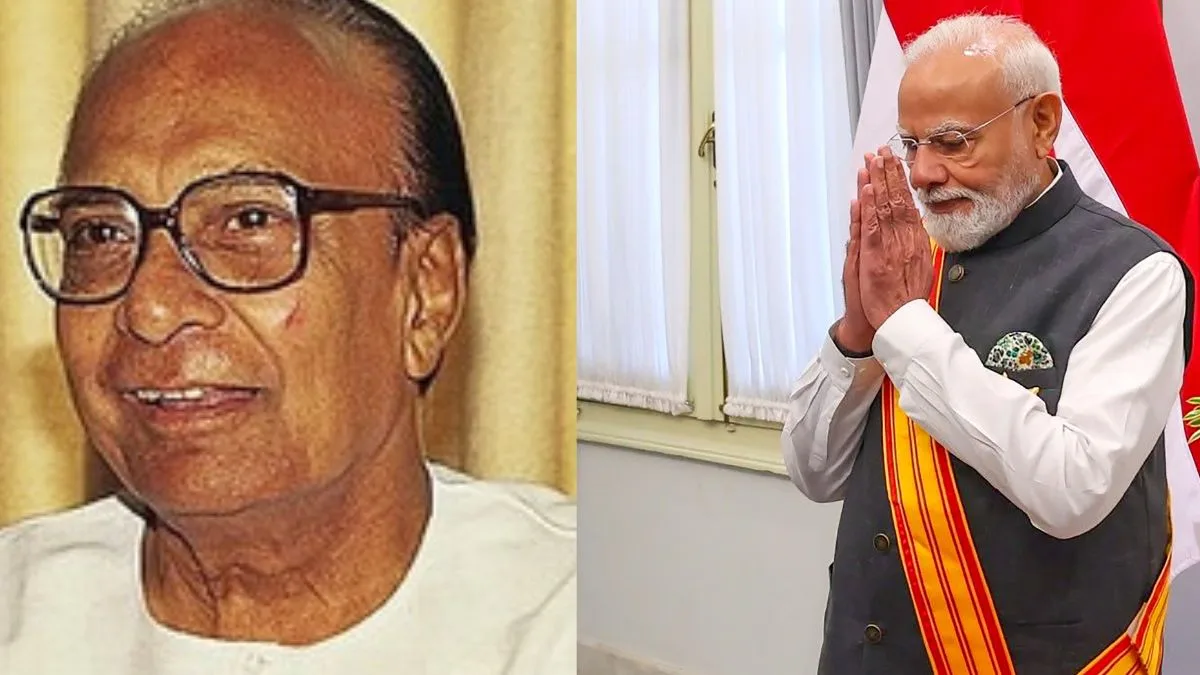
Meanwhile, Padma Shri awardee MN Roy, former Vice-Chancellor of Alipurduar University and former Professor of Chemistry at the University of North Bengal, declined to comment on the controversy for the time being.
“I will give a considered opinion after studying the issue further. At this moment, I do not wish to make any comment on such a sensitive and controversial matter,” Roy said.
Offering an academic perspective, Nikhilesh Roy, Head of the Department of Bengali at the University of North Bengal, argued that historical and linguistic records overwhelmingly support the use of the term Rajbanshi.
Roy, who edits a journal carrying the Rajbanshi slogan ‘Bhasa Battile Jati Batte‘ (“If the language survives, the community survives”), said language and community identity are inseparable.
According to him, Census records dating back to 1961 contain references to the Rajbanshi language, whereas Kamtapuri does not appear as a recognised linguistic category.
“There may have been a kingdom called Kamtapur, but a kingdom does not necessarily represent a single language. Different linguistic communities lived within that territory. Therefore, from a technical and linguistic standpoint, seeking recognition under the name Kamtapuri would be a mistake and could ultimately weaken the movement itself,” he said.
Roy further claimed that Rajbanshi is recognised across a much wider geographical region extending to Nepal, Bhutan, Bangladesh, Assam and Bihar. He said Rajbanshi-speaking communities exist in Nepal and Bhutan as well, and that publications, including bulletins, are brought out in the Rajbanshi language in Nepal.
He maintained that members of the Rajbanshi community should naturally declare Rajbanshi as their mother tongue during the census, adding that any attempt to move away from that identity would weaken the long-standing movement for official recognition.
Campaigners also pointed out that awareness drives urging people to identify themselves as Rajbanshi and declare Rajbanshi as their mother tongue have been underway since before the 2011 Census (though it was not conducted). They said scholars, researchers and language activists from different parts of North Bengal have consistently advocated the same position.
Banshibadan Barman further argued that the names of kingdoms and political entities had changed repeatedly over history, from Pragjyotishpur to Kamtapur, then Kamrup and eventually Cooch Behar, but such historical transitions do not alter the identity of the community and its language.
“What matters today is that the community is Rajbanshi and its language is Rajbanshi. That is the identity that should be reflected in the Census,” he said.