Bengal streets remained empty for a month as TV screens continued to glow till early morning hours and phones buzzed with FIFA’s latest imprint, the chip-inserted digital footballs those tracked every spin, touch and goals during the World Cup.
However, the state’s pioneer rural women folk that once quietly manufactured hundreds of footballs right in Panagarh, a cottage industry that went into slumber 10 years back, never caught anyone’s attention.
Advertisement
Recently, Moumita Biswas Misra, Bengal’s Minister of State for Industry offered to revamp and restructure the doomed Panagarh manufacturing unit.
Speaking to The Statesman, Misra said, “It’s very exciting to note how the women here got busy with football manufacturing over the years. Equally, it’s shocking to learn – how the state’s apathy routed their enterprise to slow death, gradually.”
Elaborating on her gameplan to revive the industry, Misra said,”First I shall take stock of the situation and then extend my every cooperation to revitalize the industry at the earliest. We shall secure a sustainable supply chain, before resumption of production line.”
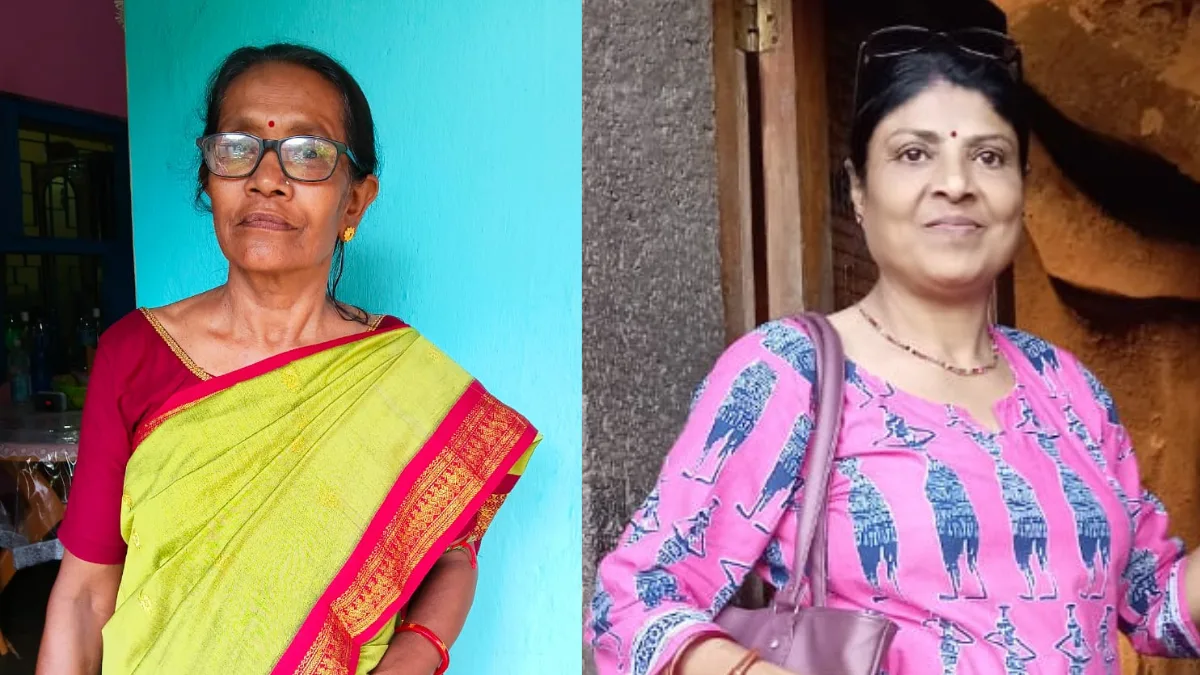
Rama Banerjee, once a master craftsperson of ball making but now currently serving as an ICDS worker, told The Statesman, “We struggled hard to get this industry growing by getting our hands busy in knitting footballs, but it continued to suffer losses. Over the years many of our colleagues passed away too, breaking our hearts. Many lost proper vision over time.”
Banerjee’s former colleague Bula Bhattacharya, now serving at a Sisu Siksha Kendra in Panagarh, said, “The state government’s Sports and Youth Welfare department remained our lone buyer since inception, which suddenly shut its door before us. We had no option and our industry incurred huge losses.”
During the Left Front regime, the industry started off in 1997, centering a refugee rehabilitation colony close to the Airforce Station in Panagarh. It accommodated 45 women split into three groups. Two team leaders, Sushama Das and Sipra Dey were assigned to supervise day to day production.
“Each of the groups produced 30 footballs a day, which were transported to Bardhaman town for marketing,” narrated Sipra.
The then Public Works Executive Officer of Burdwan Zilla Parishad Aloke Bhattacharya took the lead extending government support, training facilities, raw material procurement and the state’s Youth Welfare department emerged to be the lone buyer of footballs.
The initiative was taken with a vision to boost rural economy and women empowerment, together on a cross-departmental collaboration like Micro, Small and Medium Enterprises and Refugee Handicrafts.
“The previous government’s lackadaisical approach and apathy finally ruined the fate of these struggling women in 2015,” Bhattacharya said.
The previous Mamata Banerjee government’s initiatives for football manufacturing was spearheaded by the MSME sector through the Refugee Handicrafts division in 2016. Though she had given them brand names like ‘Joyee’, ‘Striker’, ‘Challenger’ emphasising empowerment of the marginalised women, but her efforts remained confined within Tarakeswar in Hooghly.
“It never tried to accommodate Panagarh,” exclaimed Rama, Bula and Sipra.