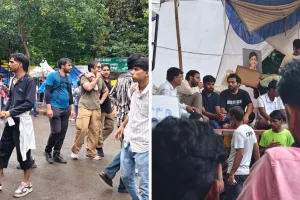
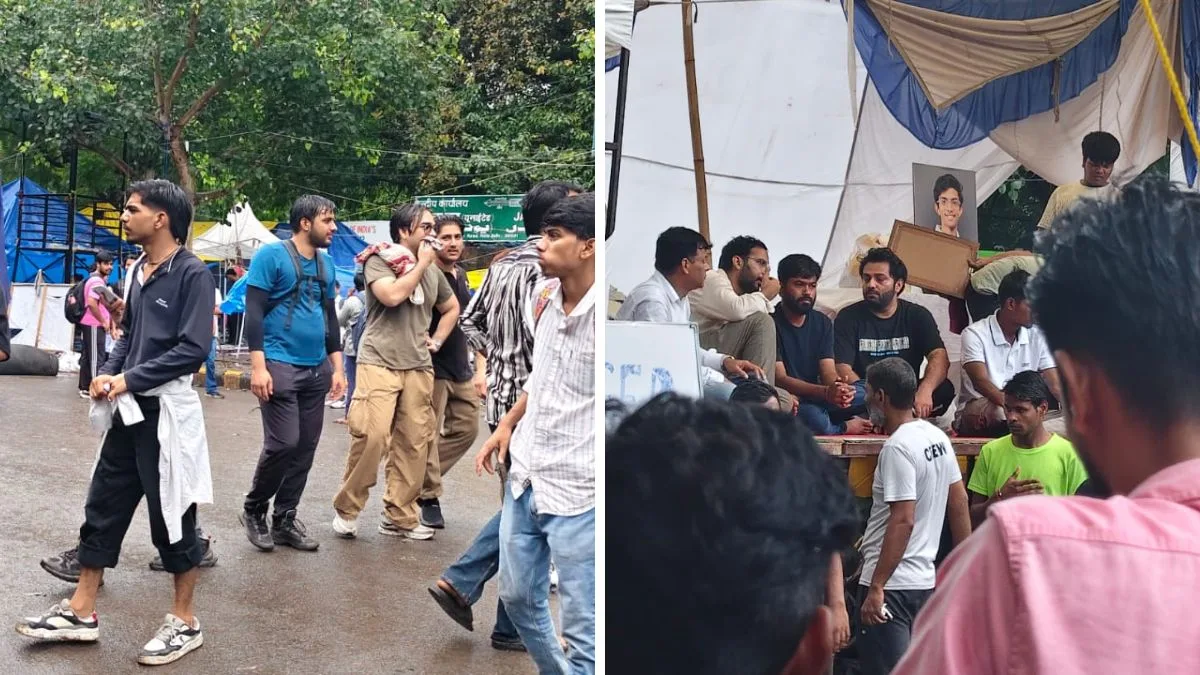
CJP’s Parliament march loses its script at Jantar Mantar, splinters into scattered protests
Student groups and Opposition workers formed a sizeable crowd, but the promised procession towards Parliament never emerged as one organised march.
The Delhi government’s Transport Department on Saturday uploaded the draft Delhi Electric Vehicle Policy 2026–2030 on its website, proposing a 50 per cent exemption for strong hybrid electric vehicles.




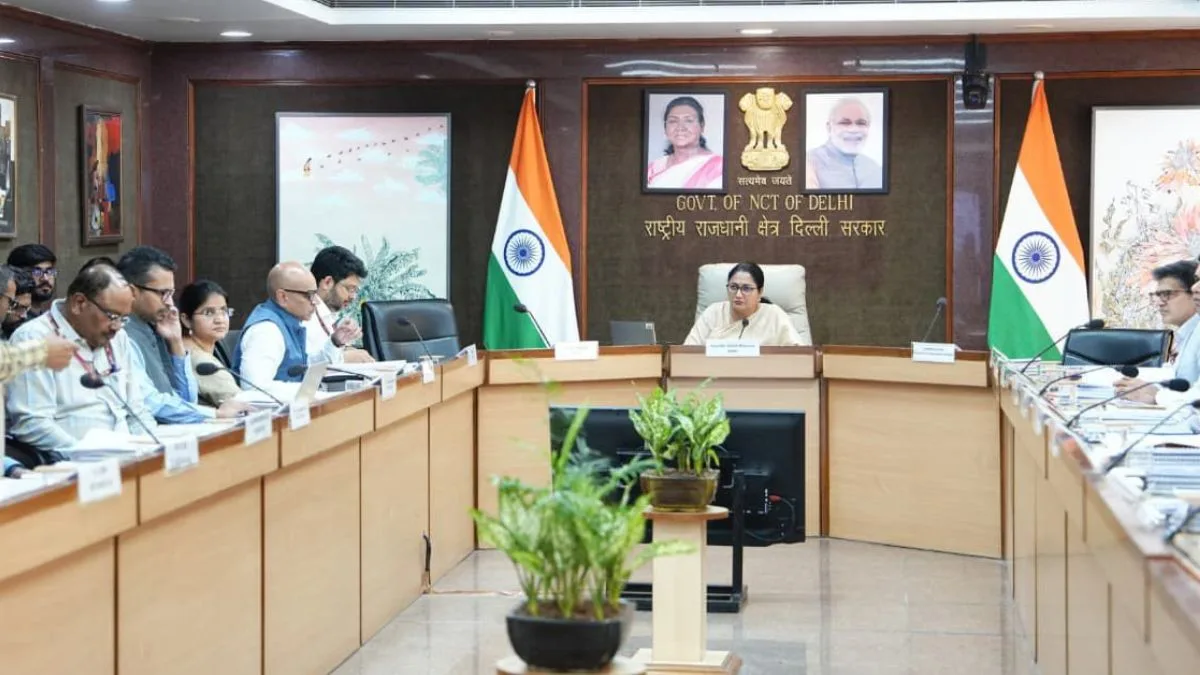
The Delhi government’s Transport Department on Saturday uploaded the draft Delhi Electric Vehicle Policy 2026–2030 on its website, proposing a 50 per cent exemption for strong hybrid electric vehicles.
As per the draft, all electric cars with an ex-showroom price of up to ₹30 lakh, registered in the NCT of Delhi, will be granted a 100 per cent exemption (and 50 per cent exemption for strong hybrid EVs) from road tax and registration fees till March 31, 2030.
Advertisement
All electric cars with an ex-showroom price above ₹30 lakh registered in Delhi will not be granted any exemption from road tax and registration fees, the draft states.
Advertisement
The proposed policy offers financial benefits, tax waivers, and phased restrictions with the aim of paving the way for a shift towards green and clean mobility across the national capital.
Notably, the draft, which has been uploaded in the public domain on the Transport Department’s website, is open for public consultation and feedback for a period of 30 days.
The draft states that from January 1, 2027, only electric three-wheelers (L5 category) will be permitted for new registrations in Delhi, and from April 1, 2028, only electric two-wheelers will be allowed for new registrations.
Chief Minister Rekha Gupta reiterated that her government is working round the clock to make the national capital clean, green, and modern.
According to the Chief Minister, under the proposed EV Policy, acquiring electric vehicles will become easier and more affordable.
Taking to social media platform X, the Chief Minister stated that attractive subsidies are being provided on e-scooters, e-rickshaws, and goods vehicles, along with additional incentives for scrapping old vehicles.
“Every step of ours is dedicated to building a pollution-free Delhi,” she said, appealing to all residents to read the EV Policy draft and submit their suggestions and comments within the next 30 days via email or by post to the Joint Commissioner (EV), Transport Department, GNCTD, 5/9, Under Hill Road, Delhi–110054.
The policy emphasises EV incentives, scalable charging infrastructure, clear electrification mandates, and the development of supporting systems such as battery recycling and disposal.
Regarding the government fleet, all hired or leased vehicles in GNCTD, from the date of notification of this policy, will be electric, except for emergency or exempted vehicles as decided by the government from time to time.
All new intra-state buses to be inducted by the Delhi Transport Corporation and the Transport Department, from the date of notification of the policy, will be electric.
However, if other cleaner fuel buses, such as hydrogen-fuelled buses, are introduced during the policy period, they may be inducted as per the decision of the Transport Department.
The Environment Department will assess and periodically quantify the emission reductions achieved through new electric vehicle registrations under the Delhi EV Policy 2026.
Advertisement