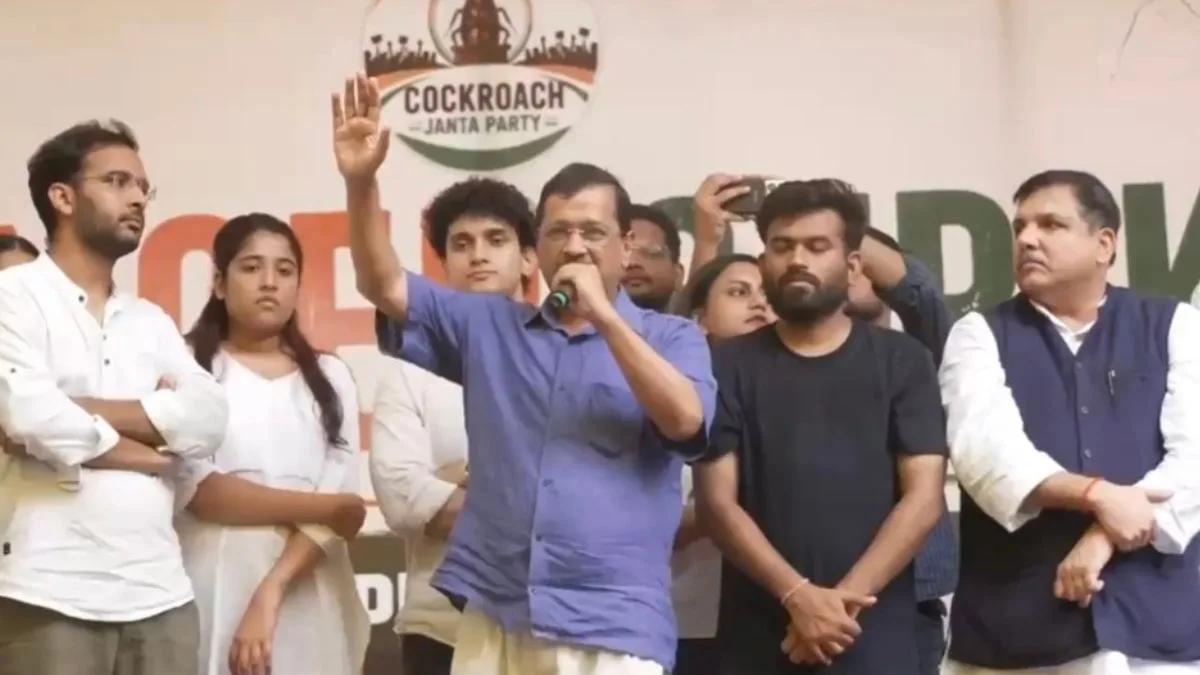
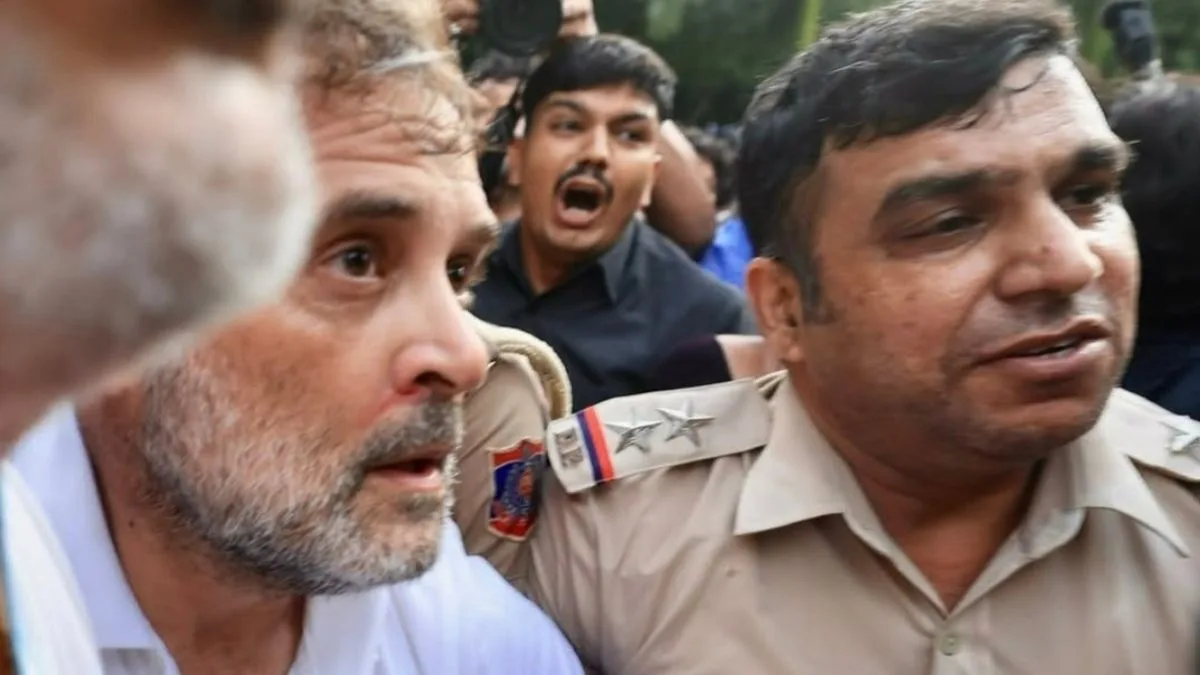
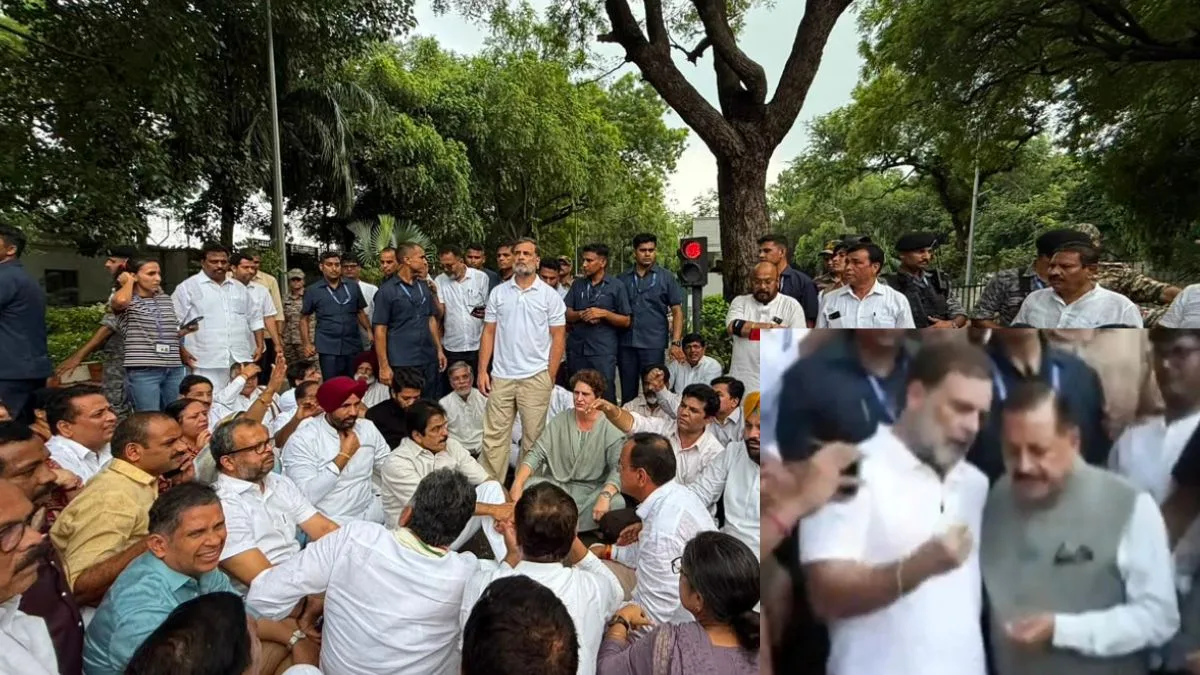
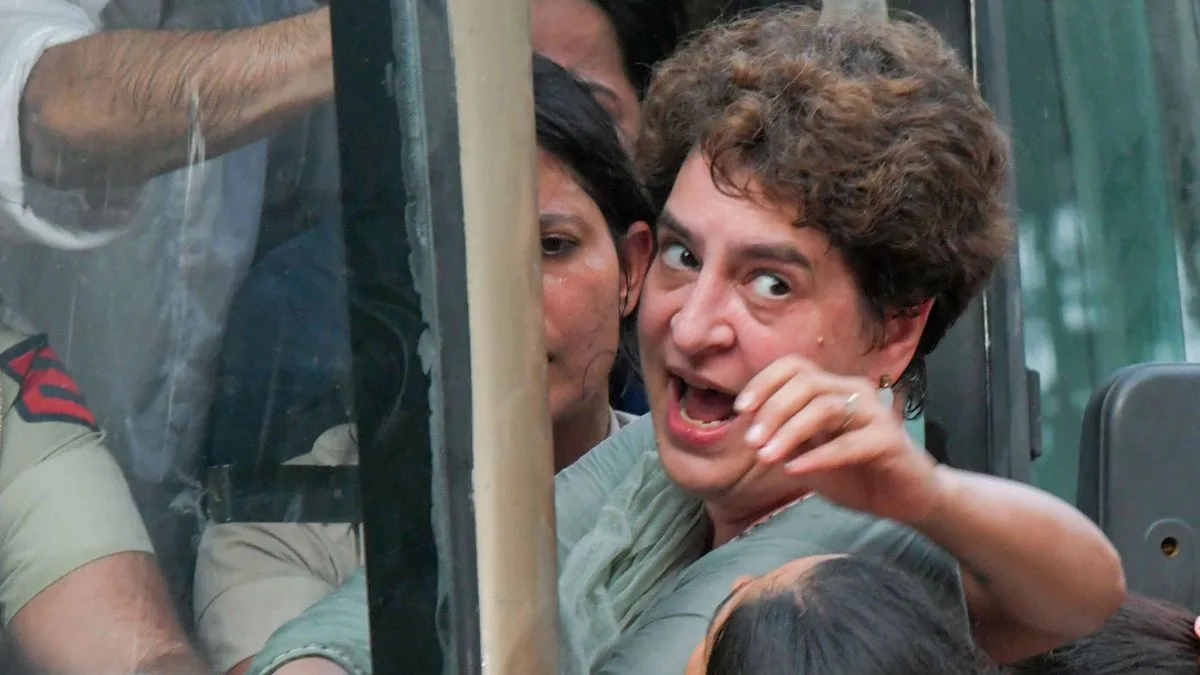
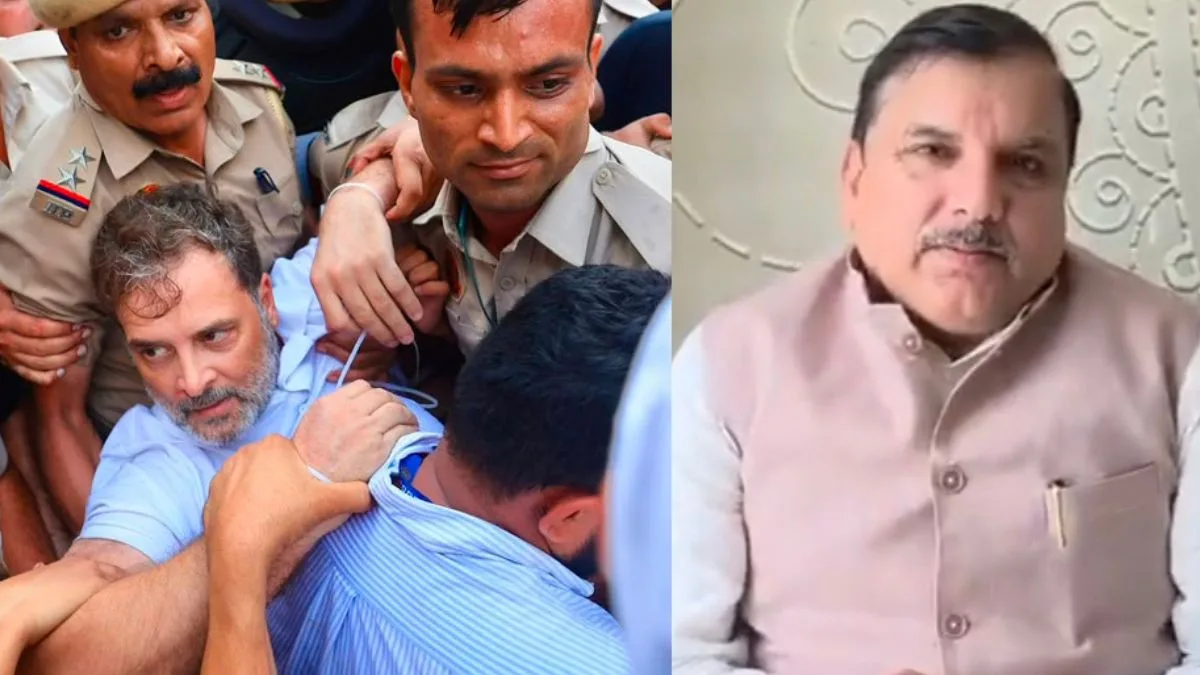
CJP’s Parliament march loses its script at Jantar Mantar, splinters into scattered protests
Student groups and Opposition workers formed a sizeable crowd, but the promised procession towards Parliament never emerged as one organised march.
The committee advocated restoration of an elected legislature for the national capital.





Photo: SNS
Delhi Assembly Speaker Vijender Gupta, interacting with law interns on Friday, on the evolution of the legislative assembly, highlighted the recommendations of the Balakrishnan Committee (Sarkaria Committee), constituted in 1987.
The committee advocated restoration of an elected legislature for the national capital.
Advertisement
He said its recommendations culminated in the constitution (69th Amendment) Act, 1991, inserting Articles 239AA and 239AB, and re-establishing the Legislative Assembly.
Advertisement
Addressing the interns, Gupta said that the strength of parliamentary democracy lies in respecting the distinct roles and privileges of each organ of the state. “Institutional harmony is maintained when no organ encroaches upon the domain of another, and this balance forms the cornerstone of democratic governance,” he said.
Gupta also outlined the evolution of Delhi’s legislature, beginning with the formation of the Assembly on March 17, 1952, under the Government of Part C States Act, 1951.
However, the States Reorganization Commission, set up in 1953, led to the Constitutional amendment through States Reorganisation Act, 1956, which came into effect on November 1, 1956. This meant that Delhi was no longer a Part-C State and was made a Union Territory under the direct administration of the President of India.
Advertisement