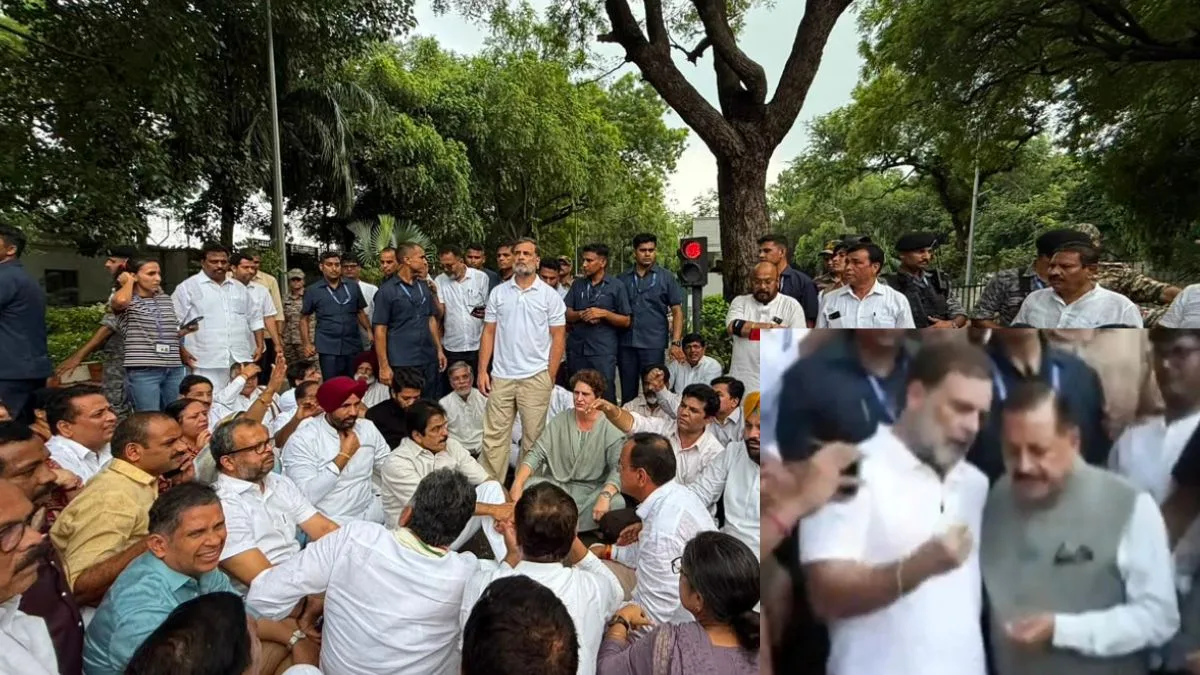
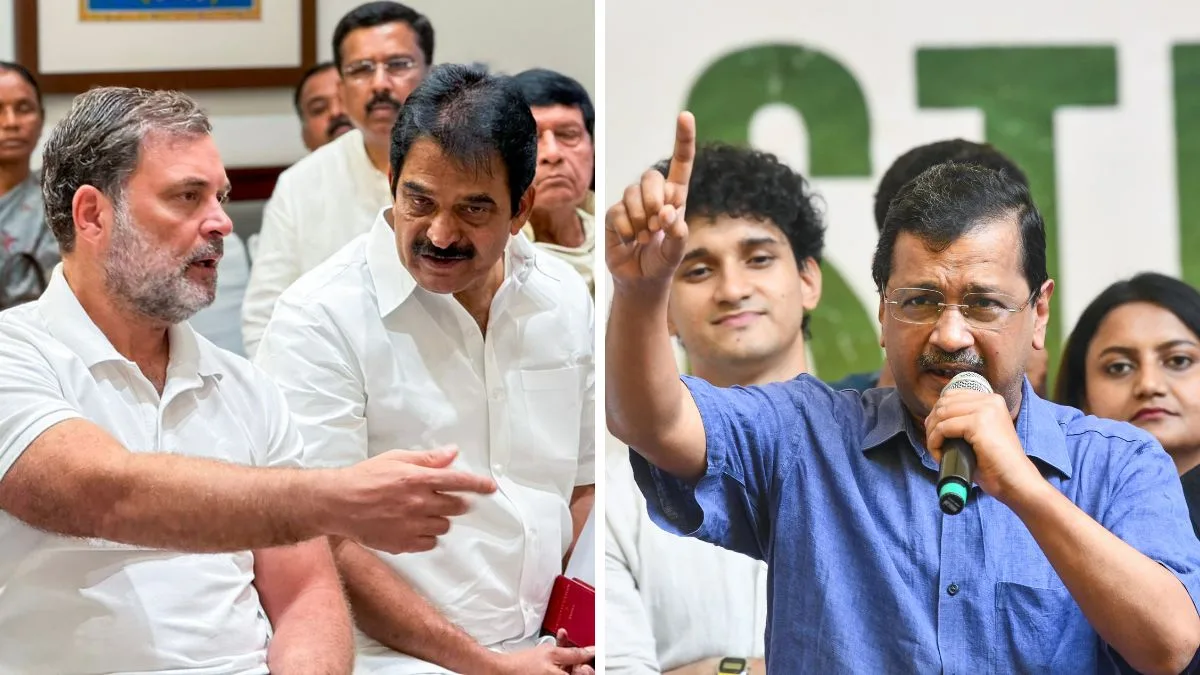
CJP’s Parliament march loses its script at Jantar Mantar, splinters into scattered protests
Student groups and Opposition workers formed a sizeable crowd, but the promised procession towards Parliament never emerged as one organised march.
The controversy surrounding the Delhi Gymkhana Club is no longer only about one institution in Lutyens’ Delhi.




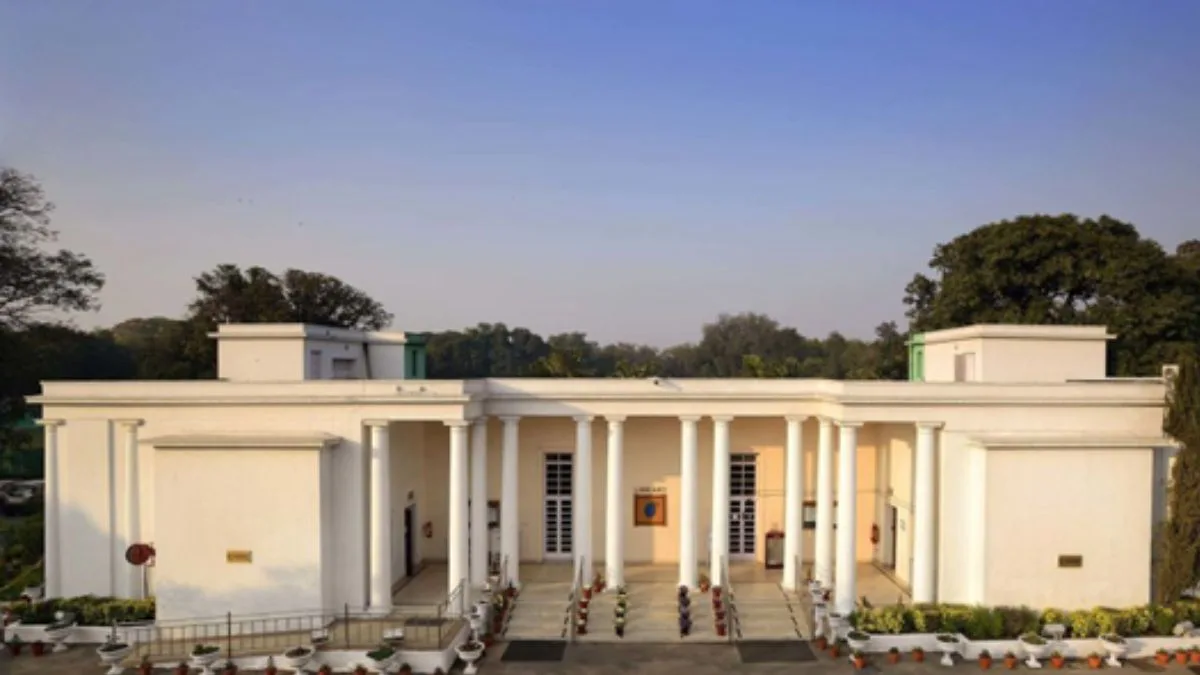
Delhi Gymkhana Club
The controversy surrounding the Delhi Gymkhana Club is no longer only about one institution in Lutyens’ Delhi. What began as a dispute over a government lease and a security-related eviction notice has widened into a debate about privilege, heritage and the place of inherited institutions in a democratic republic. The government may insist that the Gymkhana case is exceptional, tied to security and land-use considerations. Yet the questions it has raised extend far beyond one club.
For more than a century, clubs such as the Gymkhana occupied a distinctive place in urban India. Some emerged during the colonial era. Others evolved around military cantonments, administrative capitals, commercial centres or princely patronage. Their histories differ, as do the arrangements under which they occupy land. Some stand on government property; others trace their origins to estates, trusts, endowments or princely families. Their histories are often more complex than public debate assumes. Yet legal distinctions alone do not explain why the present controversy has resonated so widely.
Advertisement
The deeper issue is legitimacy. Modern India is increasingly asking questions that earlier generations rarely raised. Why should exclusive institutions continue to enjoy privileged access to valuable urban spaces? What public purpose do they serve? How should historical prestige be weighed against demands for greater access and accountability? These questions are reasonable. Many legacy clubs were built around restricted membership systems and social hierarchies that reflected a different era. In a country transformed by social and political change, inherited privilege is bound to face greater scrutiny. At the same time, there is a danger in reducing every historical institution to a question of real estate or exclusivity.
Advertisement
Cities derive their character not merely from roads, office towers and security zones but from continuity. Institutions that survive political transitions often become repositories of collective memory. They preserve architectural traditions, civic habits and historical experiences that cannot easily be recreated once lost. The fact that an institution originated within an unequal social order does not automatically erase its cultural significance. The challenge, therefore, is not whether old institutions should be questioned. Democratic societies must periodically re-examine inherited arrangements. The more important question is how that scrutiny is conducted. If legacy institutions are to be reassessed, the principles must be transparent and consistent. Otherwise, public debate risks slipping into symbolism rather than reform.
A republic confident in its democratic values should be capable of distinguishing between preservation and privilege, between heritage and exclusion, and between reform and erasure. The Delhi Gymkhana controversy has brought these tensions into the open. Whether the club ultimately survives in its present form may prove less significant than the larger conversation it has triggered. Across India’s cities stand numerous clubs carrying layered histories ~ colonial, princely, administrative and post-independence. Their futures cannot be decided solely by nostalgia. But neither should they be judged solely by the impatience of the present. The true test is whether India develops a coherent philosophy for dealing with inherited elite spaces, not just a single address in Delhi.
Advertisement