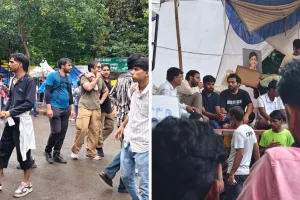
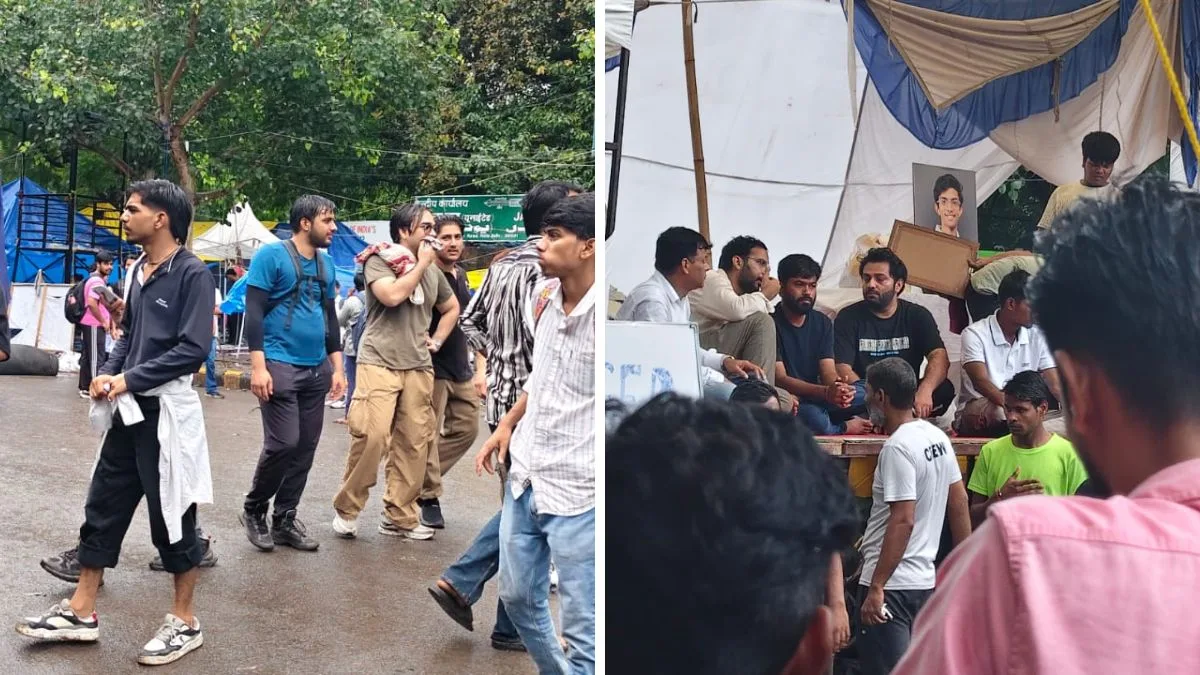
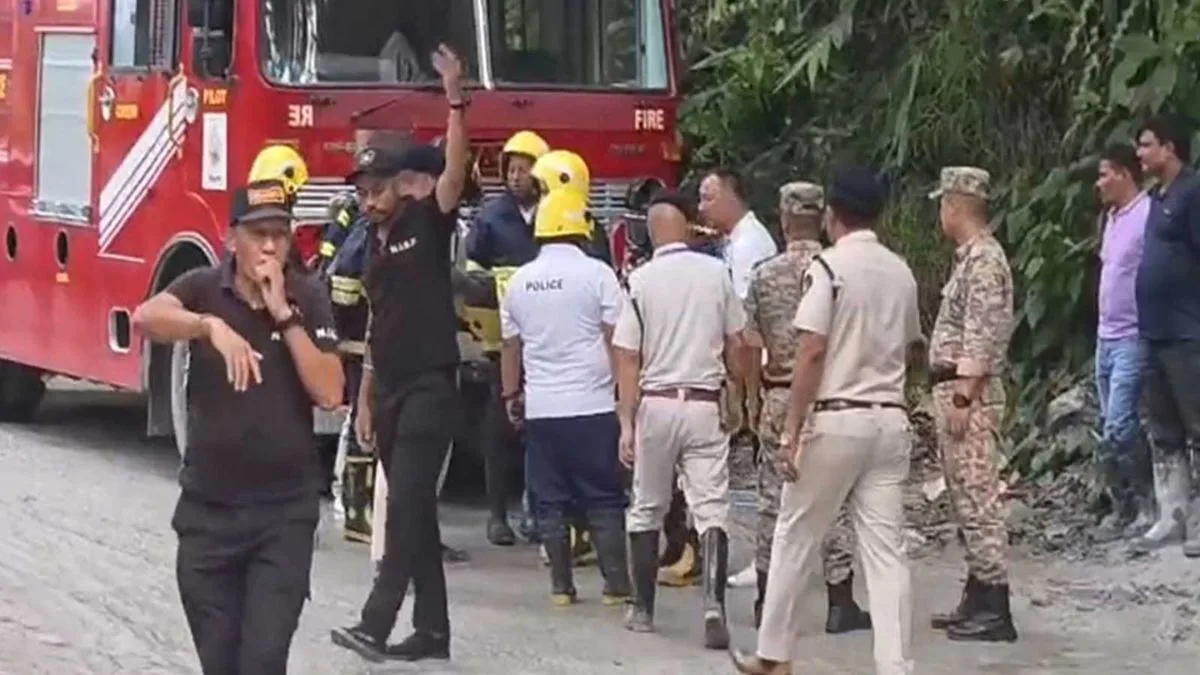
CJP’s Parliament march loses its script at Jantar Mantar, splinters into scattered protests
Student groups and Opposition workers formed a sizeable crowd, but the promised procession towards Parliament never emerged as one organised march.
The move is aimed at encouraging people to use Metro instead of their own vehicles and help mitigate the deteriorating air quality in the capital city as a collective responsibility.





File Photo
As a part of measures to combat air pollution under the Graded Response Action Plan (GRAP)-II stage, the Delhi Metro Rail Corporation (DMRC) on Wednesday said it has already commenced running 40 extra train trips on weekdays (Monday-Friday) across its network adding that number of additional trips will be increased further to 60 in case GRAP-III is enforced by authorities in coming days.
“In the wake of enforcement of GRAP-II in Delhi due to escalating pollution levels recently, DMRC’s Managing Director, Dr. Vikas Kumar, had earlier directed the operations team to run 40 extra train trips across its corridors offering more passenger capacity during weekdays,” a DMRC spokesperson said.
Advertisement
The move is aimed at encouraging people to use Metro instead of their own vehicles and help mitigate the deteriorating air quality in the capital city as a collective responsibility.
Advertisement
“In addition, Dr. Kumar has also directed to further increase extra trips to 60, up from 40 in case GRAP-III is enforced by authorities in coming days,” the spokesperson said.
As Delhi’s air quality deteriorated, the Commission for Air Quality Management (CAQM) on Sunday evening (October 19) imposed Stage 2 of the GRAP with immediate effect.
As part of GRAP Stage 2, the CAQM has directed the daily mechanical/vacuum sweeping and water sprinkling of the identified roads. Moreover, the commission has called for increased parking fees, an increase in the frequency of bus and metro services, and the strict implementation of regulated operations of DG sets across all sectors to conserve power while ensuring an uninterrupted electricity supply.
“Ensure water sprinkling along with use of dust suppressants (at least every alternate day, during non-peak hours) on roads to arrest road dust, especially at hotspots, heavy traffic corridors, vulnerable areas and proper disposal of dust collected in designated sites/landfills,” CAQM mentioned in an official statement.
The order further mentioned enhancing vehicle parking fees to discourage private transport, synchronising traffic movements, and deploying adequate personnel at intersections. It also advised alerting people through newspapers, TV, and radio to inform them about air pollution levels and providing ‘Do’s and Don’ts’ for minimising polluting activities.
Stage 2 also includes intensifying inspections and strict enforcement of dust control measures at construction and demolition sites.
Advertisement