In a groundbreaking medical achievement, doctors at a Delhi hospital have saved multiple lives by restoring blood circulation in a 55-year-old woman after her death, making her organs viable for donation.
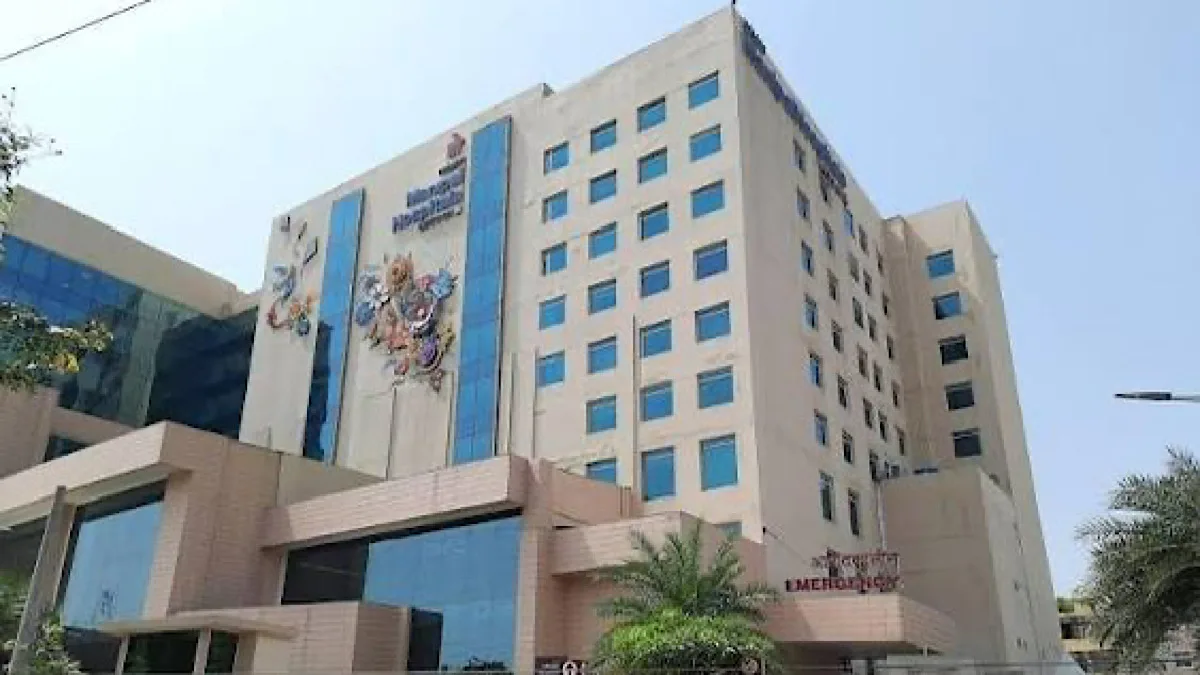
The complex medical procedure, in which blood circulation was restarted post-mortem to retrieve organs, was performed at HCMCT Manipal Hospital, Dwarka. Officials stated that this was the first such procedure in Asia.
Advertisement
“This is the first time in Asia that circulation was restarted after death to preserve organs for donation,” said Dr Shrikanth Srinivasan, Chairman, Manipal Institute of Critical Care Medicine.
On November 5, Geeta Chawla was brought to the hospital with severe breathing difficulties. She had been bedridden and paralysed due to Motor Neuron Disease (MND). Her condition deteriorated, and her family chose not to initiate life support. She passed away at 8:43 pm on November 6.
Fulfilling her wish to donate her organs, the medical team performed the rare and complex procedure known as Normothermic Regional Perfusion (NRP).
Doctors restarted blood circulation in her abdominal organs using an Extracorporeal Membrane Oxygenator (ECMO), a type of life support system. The procedure was carried out after her heart had stopped and she had been declared dead five minutes following a flat ECG line.
Highlighting the significance of the innovation, Dr Srinivasan explained, “Organ donation in India typically follows brain death, when the heart is still beating. In donation after circulatory death (DCD), the heart has stopped, so time is critical. By using NRP, we were able to keep the liver and kidneys alive long enough for safe retrieval and allocation.”
The retrieved organs were immediately allocated for transplantation by the National Organ and Tissue Transplant Organisation (NOTTO), the nodal body overseeing organ distribution in India.
At the Institute of Liver and Biliary Sciences (ILBS), a 48-year-old man received Chawla’s liver, while her kidneys gave new life to two men, aged 63 and 58, at Max Hospital, Saket. Her donated corneas and skin also benefited several other patients in need.
Emphasising India’s progress and future potential in organ donation, Dr (Col) Avnish Seth, VSM, Chairman of the Manipal Institute of Gastroenterology & Hepato-Biliary-Pancreatic Sciences and Country Head of Manipal Organ Sharing & Transplant (MOST), said, “India ranked eighth globally for organ donations after brain death in 2024, with 1,128 donors. However, we need to expand donations after circulatory death. This first NRP procedure in Asia proves that it is now possible in India to keep abdominal organs viable after death, and eventually, even the heart and lung