IP University student Abhinav Garg tops in GATE 22
The Vice-Chancellor of the University Padma Shri Prof. (Dr) Mahesh Verma congratulated the student, faculty, and dean of the school for this grand achievement.
Husband-wife duo Abhinav Garg and Mehak Aggarwal’s book gives an insider’s view of India’s high-stakes pharma manufacturing industry




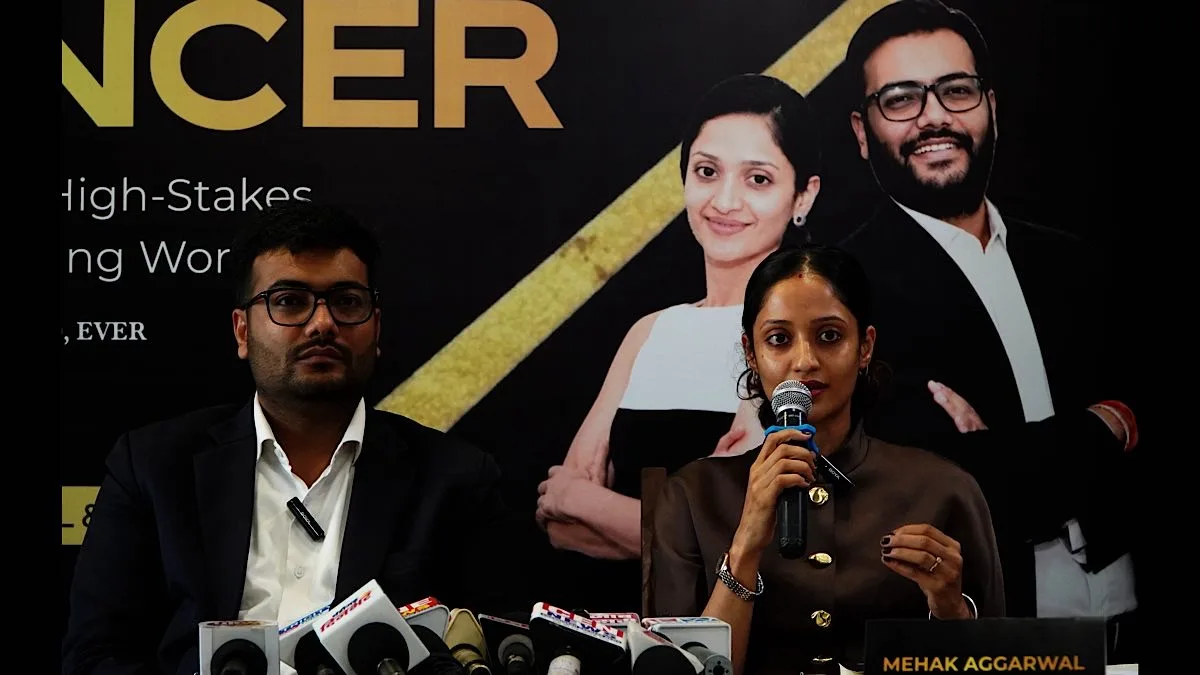
Photo:SNS
Pharmaceutical entrepreneurs, husband-wife duo, Abhinav Garg and Mehak Aggarwal, unveiled their book, ‘Killing Cancer: 13 Secrets of the High-Stakes Drug Manufacturing World’ at a press conference here on Friday. The book offers readers an unprecedented look into the complex and often misunderstood world of pharmaceutical manufacturing.
Drawing from years of experience in manufacturing oncology drugs, the authors provide a candid account of the decisions, failures, regulations, leadership challenges and ethical responsibilities that shape the medicines relied upon by millions of patients worldwide.
Advertisement
“Structured around 13 chapters, the book explores subjects ranging from regulatory compliance and supply chain resilience to entrepreneurship, quality systems, manufacturing failures and leadership in highly regulated industries,” Abhinav told reporters.
Advertisement
Abhinav said, “We have tried to highlight realities of the pharma manufacturing world in our book. Most people think a drug licence is the finish line. In reality, it is just the starting point. World Health Organisation’s (WHO) Good Manufacturing Practices (GMP) compliance must be maintained, not merely obtained. Every supplier needs approval and validation. Standard operating procedures (SOPs), annual product reviews, and market-specific regulatory dossiers become routine.”
The authors noted that ‘Killing Cancer’ is not a technical manual but a collection of practical insights aimed at entrepreneurs, industry professionals, healthcare practitioners, regulators, and members of the public seeking to understand how medicines reach patients.
“The book was born from a desire to bridge the gap between public perception and the realities of pharmaceutical manufacturing,” said Mehak.
“People see medicines as products, but rarely understand the chain of decisions, regulations, failures and human judgment that produces them,” added Mehak, co-author of the book.
“We felt a responsibility to document this world honestly, not to celebrate it or sensationalise it, but to make it understandable. There is no other book quite like this written by practitioners from inside the industry,” she said.
The book devotes considerable attention to the unique demands of manufacturing life-saving drugs, where the margin for error is exceptionally small, and the consequences of failure can be life-threatening.
“Every decision made inside a pharmaceutical plant connects invisibly to a patient at the end of the supply chain. When you genuinely understand that reality, it changes how you approach quality, leadership, compliance, and even business decisions,” said Abhinav.
Highlighting India’s growing influence in global healthcare, the authors emphasised India’s role as the world’s leading supplier of generic medicines and underscored the importance of manufacturing hubs such as Baddi in Himachal Pradesh.
“India today supplies nearly one-fifth of global generic medicine exports and plays a critical role in healthcare systems across the world,” said Abhinav.
“As the industry evolves towards complex generics, biosimilars, and personalised medicine, we need leaders who understand both science and business. We hope this book contributes to that conversation,” he said.
Advertisement