Beldanga in Murshidabad district in West Bengal turned into a battleground on Friday following the death of a local labourer in Jharkhand, with angry villagers blocking roads and rail lines demanding strict punishment for those responsible.
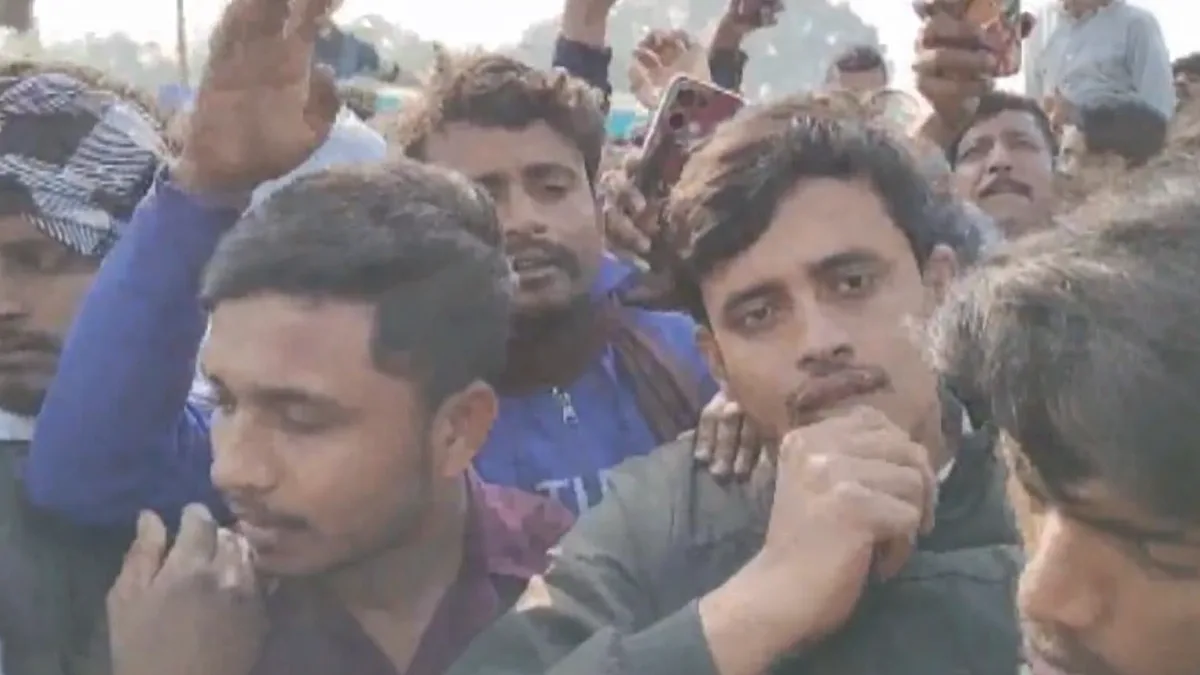
Protests erupted after the body of 30-year-old Alai Sheikh who was found hanging from the ceiling in his own room on Thursday morning – was brought back to his native village, Sujapur Kumarpur under Beldanga police station.
Alai Sheikh, a resident of the Sujapur Kumarpur gram panchayat area, worked as a hawker in Jharkhand.
However, villagers and family members alleged that he was beaten to death and his body was later hung to make it appear as a suicide.
The family claimed that Alai was targeted because he was a labourer from Murshidabad.
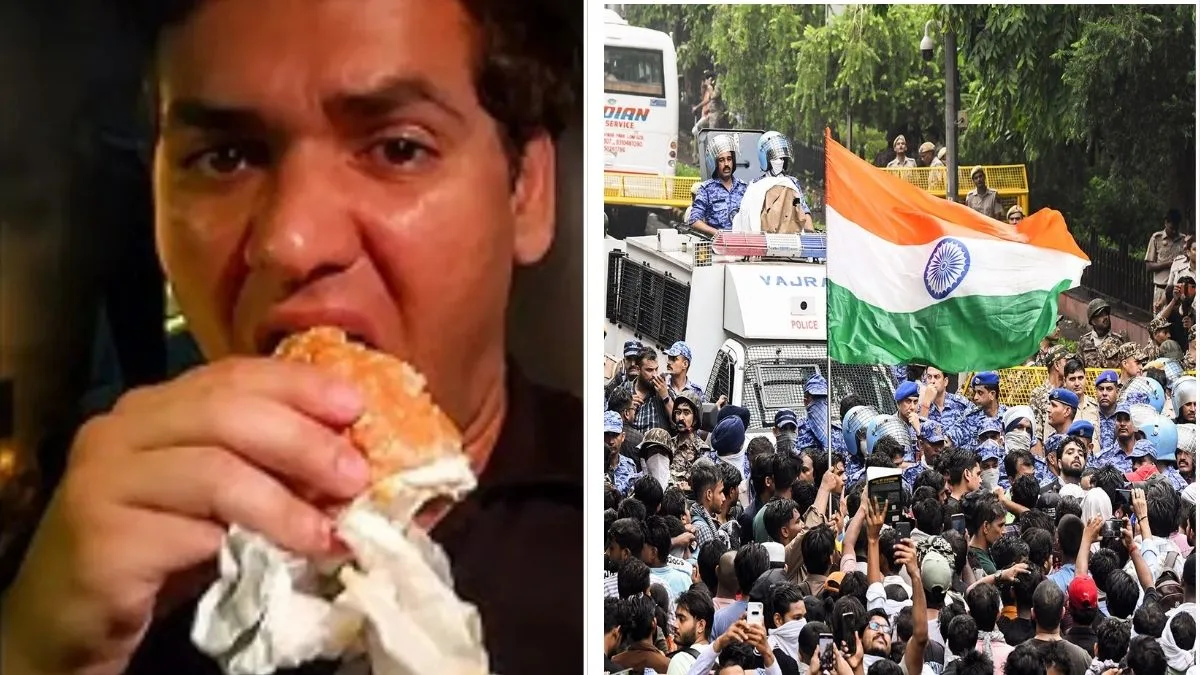
Tension escalated sharply after the body arrived in the village on Friday. Protesters blocked National Highway 12 at Beldanga, setting tyres on fire, and also stopped operations at Beldanga railway station.
Advertisement
As a result, train services on the Sealdah–Lalgola section were disrupted, while vehicular movement between North Bengal and Kolkata came to a halt.
A large police force was deployed at the site, but the blockade continued at the time of reporting.
Family members said Alai had last spoken to his mother, Sona Bibi, on Wednesday afternoon.
She alleged that her son sounded terrified and had told her that the situation where he was staying was unsafe and that he was unable to step out of the house.
“He said he would return home as soon as he got a chance. That was the last time we spoke, around 2 pm on Wednesday. After that, he never answered the phone,” she said.
Villagers expressed anger against both the Trinamool Congress and the BJP, accusing political parties of failing to protect migrant workers.
One protester alleged that Alai was assaulted after being asked to show his identity card and was attacked upon seeing his Murshidabad address.
Police said efforts were on to bring the situation under control, while the demand for immediate arrests and exemplary punishment remained at the core of the protest.