Saokat Molla missing: NIA seeks BSF aid in search
Strict surveillance has been imposed across all border areas of South and North 24 Parganas in West Bengal.
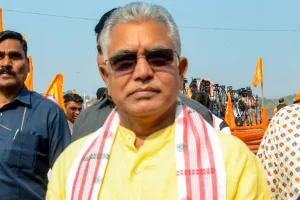
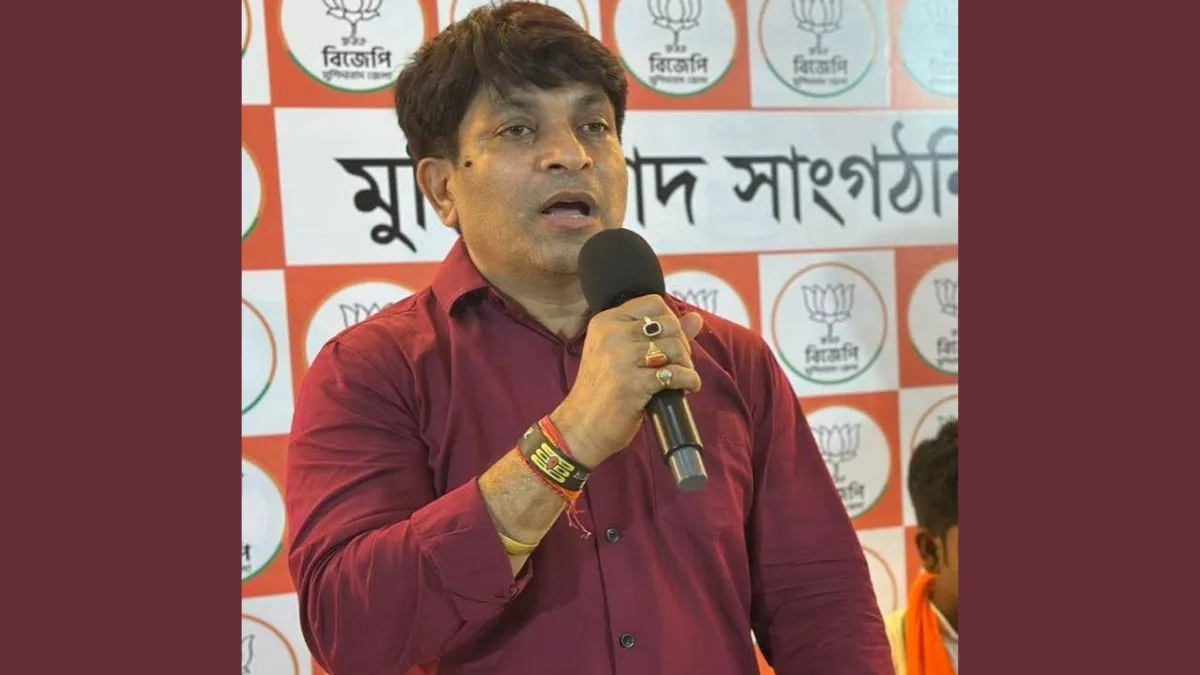
As the Rural Development Minister, Dilip Ghosh now oversees a department responsible for rural roads, housing, sanitation, village infrastructure and local self-government across the state.




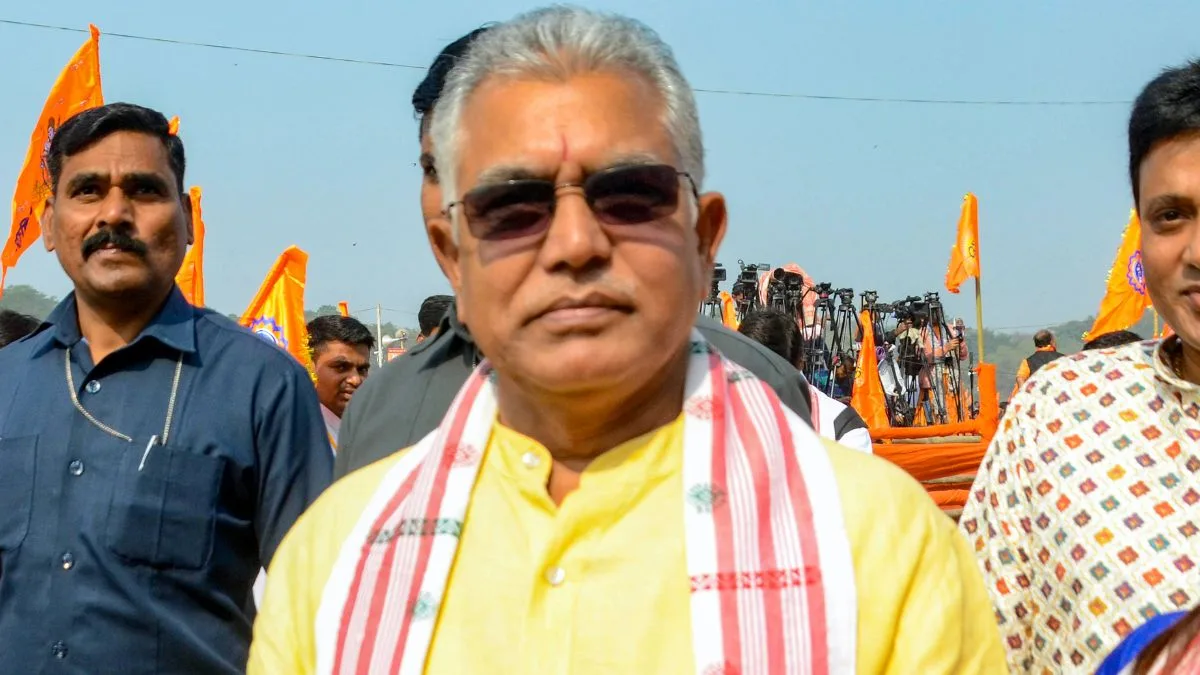
Image: IANS
“They put the nation at risk. They allowed Bangladeshis and Rohingyas to cross over into Bengal just because of vote-bank politics. Now this party (the Trinamool Congress) will cease to exist,” West Bengal Rural Development Minister Dilip Ghosh said in an exclusive conversation with The Statesman.
With this sharp attack on former chief minister Mamata Banerjee and the TMC, Ghosh set the tone for an interview on governance, rural development and border security in West Bengal.
Advertisement
Ghosh, one of the principal architects of the Bharatiya Janata Party’s rise in Bengal over the past decade, accused the previous TMC regime of compromising national security by allegedly allowing illegal infiltration across the state’s international borders.
Advertisement
At the same time, he launched a blistering critique of the Panchayat system inherited by the new government, describing it as an institution crippled by corruption.
“In Bengal, the Panchayat system has collapsed. It has become a den of rampant corruption,” Ghosh told The Statesman.
For the veteran BJP leader, who spent decades as a Rashtriya Swayamsevak Sangh (RSS) pracharak before emerging as one of the party’s most recognisable faces in Bengal, the transition from opposition politics to governance presents a different challenge.
As the Rural Development Minister, he now oversees a department responsible for rural roads, housing, sanitation, village infrastructure and local self-government across the state.
In the interview with The Statesman, Ghosh outlined his plans to revive development schemes, strengthen border infrastructure and restore what he called accountability in rural administration.
According to the minister, the government’s immediate focus is on restarting development programmes and ensuring that Central schemes reach intended beneficiaries.
“A lot of Central government schemes that were here, to implement them, all preparations have been made now. Whether they are road schemes, housing schemes or the construction of toilets, everything will start from here,” he said.
The minister said extensive consultations had already taken place with legislators and district administrations to accelerate implementation.
“We want to lay emphasis on coordination among various agencies in the state to execute projects at the village level.Rural development projects require close cooperation between district administrations, panchayat bodies and multiple state departments,” Ghosh said.
The conversation also reflected the BJP leadership’s evolving approach towards party expansion and internal discipline and their outlook towards bringing TMC workers and leaders under their wing.
“We have sealed our doorstep very carefully this time. The doors for those attached with the TMC are firmly shut. We don’t need them. We had suffered in the past by allowing TMC leaders and workers to join the party. We don’t want to make the same mistake again,” Ghosh said.
The conversation also turned to reported internal tensions and the clear rift within the TMC.
When asked about claims that 58 rebel TMC MLAs had sought the Speaker’s permission to appoint Ritabrata Banerjee as Leader of Opposition in an attempt to take control of the party’s legislative wing, Ghosh said the matter was entirely for the TMC to clarify.
“This is something they should look into; it is not our responsibility. The government has been entrusted to us by the people. We have been given the responsibility of development, and we are focused on that. What the Trinamool Congress will do is for them to decide,” he said.
On whether the Trinamool Congress would survive in Bengal, he added: “It will last for a few more days. To know exactly, you should ask a good astrologer; they might be able to tell you. We cannot say. But let me tell you one thing this party will cease to exist ”
On the question of the Leader of Opposition, he said: “Why are you asking me? Ask the TMC about that. This matter is with the Speaker. Whoever is proven in the House, and whoever is accepted by the people, will be regarded as the leader. It is entirely in their hands. I have nothing to say.”
He also highlighted persistent grassroots issues across Bengal’s Panchayat system.
“There are many problems in Panchayats—roads are in bad condition, and during monsoon season the situation worsens further. Whether it is colleges, schools or hospitals, there are problems in Panchayats everywhere,” he said.
“Bengal has many issues. But the biggest problem was the TMC; the people have dealt with that. The rest we will handle,” he added.
As evidence of administrative action, Ghosh pointed to recent Cabinet decisions aimed at facilitating long-pending border infrastructure projects.
Advertisement