Logo

IANS

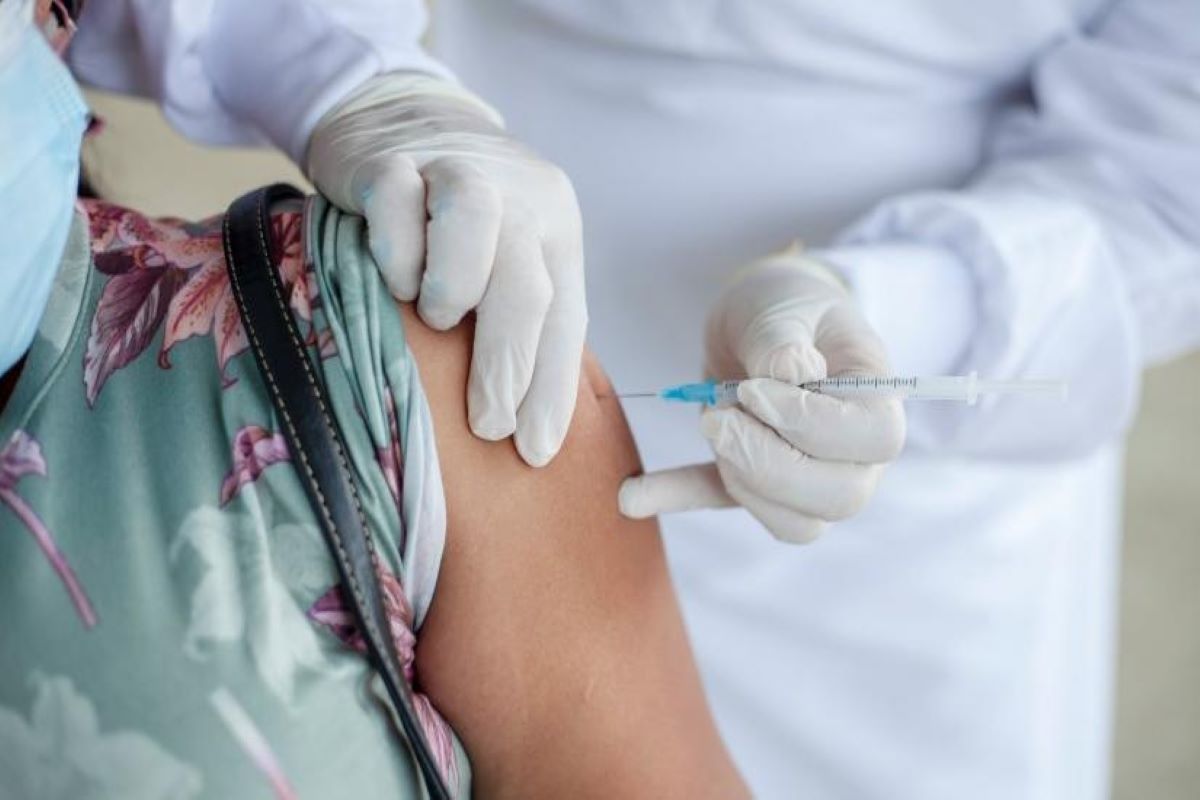
Covid vax safe for patients with rheumatic, lupus disease

The study, published in the journal Arthritis and Rheumatology, examined 1,377 patients with rheumatic and musculoskeletal diseases. About 11 per cent of patients reported flares after vaccination that required treatment, and there were no reports of severe flares.


film, mumbai

Film festival to showcase Indian pre-independence scientific community

The film festival is part of the year-long festivities that would be dedicated to those scientists, science communicators and teachers who struggled and sacrificed their personal gains and careers against the tyranny of the British during the Indian Independence movement.

3 dead as trains crash near Czech-German border

According to the Czech transport minister, the express train from Munich heading to Prague went through a stop signal and hit a commuter train bound for the town of Domazlice.

World Bank, Uttarakhand, Business

India, World Bank sign $250 mn project for making dams safe

The project will be implemented in approximately 120 dams across Chhattisgarh, Gujarat, Kerala, Madhya Pradesh, Maharashtra, Manipur, Meghalaya, Odisha, Rajasthan, and Tamil Nadu, and at the national level through the CWC. Other states or agencies may be added to the project during project implementation.

Oxyglow, Skin, Hair

Gels Vs Creams

If your skin is oily, you would be better off using gels that contain salicylic acid, lactic acid, or tea tree oil.

One of the most important aspects of pregnancy is maintaining a nutrient-dense diet. However, it has been observed that an everyday diet during pregnancy does not need to differ significantly from the pre-pregnancy diet, and the general rule of healthy eating remains -- to eat a balanced diet. While all nutrients are equally important for expectant mothers, folic acid, iron, vitamin D, calcium, iodine, and omega-3 DHA are critical for the overall development of the baby as well as a healthy pregnancy, says Manu Sharma, Neonatologist/Paediatrician, Max Healthcare. "However, omega-3 DHA is not always present in regular prenatal supplements and which is why many women have questions about the importance of DHA during pregnancy," he adds. Mothers-to-be should read on for more details by the expert: What Is DHA? DHA or docosahexaenoic acid is an essential omega-3 fatty acid that is not synthesised by our body and must be obtained through a diet rich in seafood like salmon, tuna, and anchovies, or through the intake of supplements. However, it is not typically derived from daily food intake in an adequate amount if you are following a vegetarian diet. A human baby's brain develops rapidly especially during the third trimester in the mother's womb till the first two years of the baby's life. DHA is considered the building block of your baby's brain as it amounts to 97 per cent of the omega-3 fatty acid found in the brain and 25 per cent of the brain's total fat content. Because DHA is present in significant amounts in the brain and retina, it helps support the baby's brain and eye development as well as the central nervous system. In fact, DHA is not only necessary for babies, but also for mothers. Optimal DHA levels during pregnancy support a full-term pregnancy as well as a healthy birth weight. DHA has also been shown to reduce the risk of preeclampsia and support a mother's healthy mood after childbirth. What Is the Ideal Amount of Daily DHA Intake? The recommended amount of DHA intake during pregnancy is about 200mg per day. However, pregnant women in India are particularly found to be DHA deficient owing to a primarily vegetarian diet. Therefore, it is important that you know your DHA levels and change your diet or add supplements based on the results. An at-home blood test may help in assessing and monitoring your DHA levels without stepping out during this pandemic. DHA in Breast Milk Breastmilk is a critical source of nutrition for newborns. DHA, which is naturally present in breast milk supports your baby's cognitive function and has a positive impact on the baby's vision. For breastfed babies, the recommended amount of DHA is 0.32 per cent to 0.35 per cent of the milk fat. However, because the amount of DHA in breast milk is determined by the mother's DHA intake through food, the rates of absorption are bound to vary depending on the mother's dietary patterns. Therefore, testing breastmilk is a definitive way to check your DHA levels and provide the right nutrition to your baby for optimal growth. How Does One Ensure Adequate DHA Consumption? You can know your blood and breast milk DHA levels during pregnancy or lactation with the right and convenient at-home diagnostic tools. Based on the results, you can modify your diet and incorporate DHA-rich foods to ensure your baby's optimal development and good health!

Vitamin C serum for monsoon skincare!

Serums are water or emulsion-based formulations hence they have a light gel-like or watery, non-sticky texture that absorbs quickly into the skin-quenching the skin’s thirst for moisturization and leaving it with a fresh, dewy smooth finish.