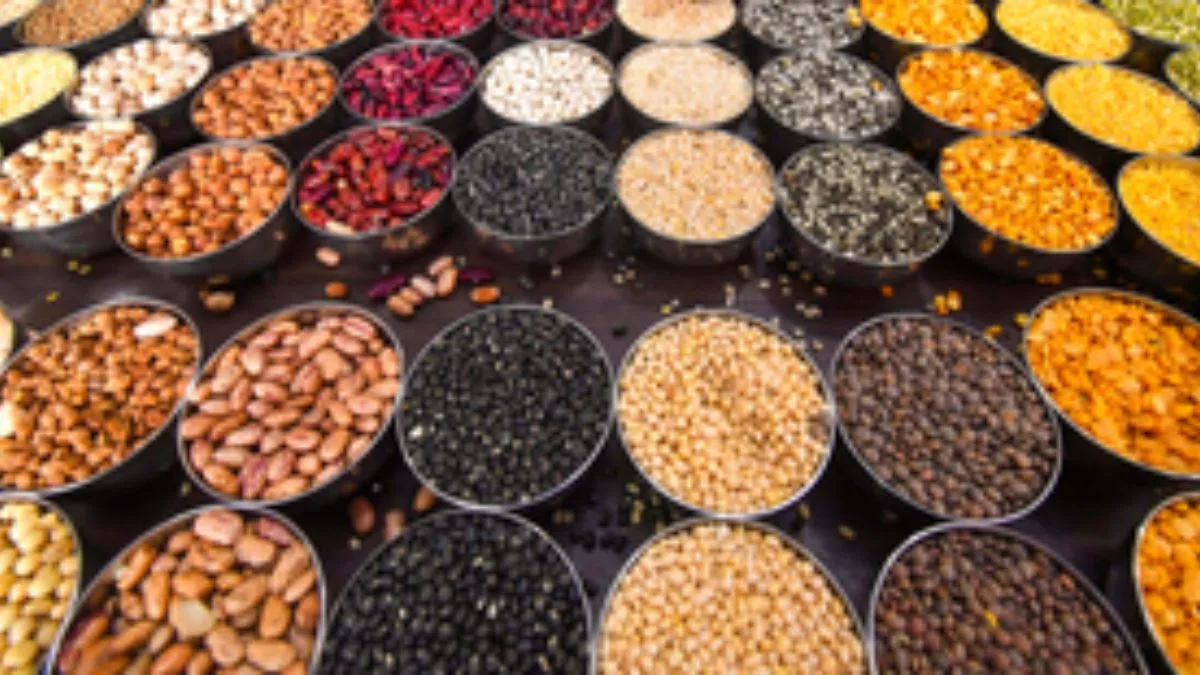
Patanjali Yogpeeth’s managing director, Acharya Balkrishna, took to Facebook recently with a simple but interesting nutrition tip — the dal sitting in your kitchen might be doing more for you than just filling your stomach. According to his post, pulses are loaded with protein, vitamin B, vitamin C, zinc, and fibre, all of which play a role in keeping hair healthy and strong.
It’s the kind of advice that sounds almost too basic to matter, but there’s actually solid science backing it up.
Advertisement
Why pulses deserve more credit
Lentils, chickpeas, rajma, moong — these aren’t just kitchen staples in Indian households, they’re genuinely powerful sources of plant protein. A single cup of cooked lentils packs close to 18 grams of protein. It is a big deal for anyone following a vegetarian diet and trying to hit their daily protein targets without meat or eggs.
Beyond protein, pulses bring a good dose of fibre to the table too. That helps with digestion and keeps blood sugar levels from spiking around, something that matters more than people realise for overall health.
The zinc connection
Here’s where it gets interesting for hair specifically. Zinc is one of those minerals that quietly does a lot of heavy lifting in the body, including helping hair tissue grow and repair itself, and keeping the oil glands around hair follicles functioning the way they should. Nutrition studies have repeatedly linked low zinc levels to thinning hair and hair loss.
Now, pulses don’t have as much zinc as meat or seafood, sure. But if you’re eating a variety of lentils, chickpeas, and beans regularly, and maybe pairing them with other zinc-rich foods, you can still get pretty close to meeting your daily needs, even on a vegetarian diet.
Vitamins
B vitamins help the body produce red blood cells, and those cells are what carry oxygen to your hair follicles. Biotin specifically, a B vitamin found in small amounts in some pulses, keeps coming up in hair health research. Folate, another B vitamin present in dals, adds to this benefit.
Then there’s vitamin C, which might not seem directly related to hair at first glance, but it actually helps your body absorb iron from plant-based foods like pulses. And iron deficiency is one of the more common culprits behind hair fall. Vitamin C also plays a part in collagen production, which affects hair structure at a more fundamental level.
It all comes back to digestion
There’s a bigger picture here too. Fibre from pulses supports gut health, and good gut health generally means better nutrient absorption overall, which then shows up in things like skin and hair condition. This is exactly why dietitians keep recommending pulses as a daily staple rather than an occasional side dish.
A diet India already knows well
None of this is really new to Indian households, where dal has been a daily fixture for generations, whether it’s a simple dal-chawal, sprouted moong, or besan used in everything from dhokla to pakoras. India also happens to be the world’s largest producer and consumer of pulses, so in a way, this advice is just reaffirming something the country already does right.
Even the Indian Council of Medical Research has, in its official guidelines, pushed for regular pulse consumption, largely because pulses offer solid protein at a fraction of the cost of animal-based sources.
So the next time someone tells you to finish your dal, maybe don’t argue. Your hair might actually thank you for it.