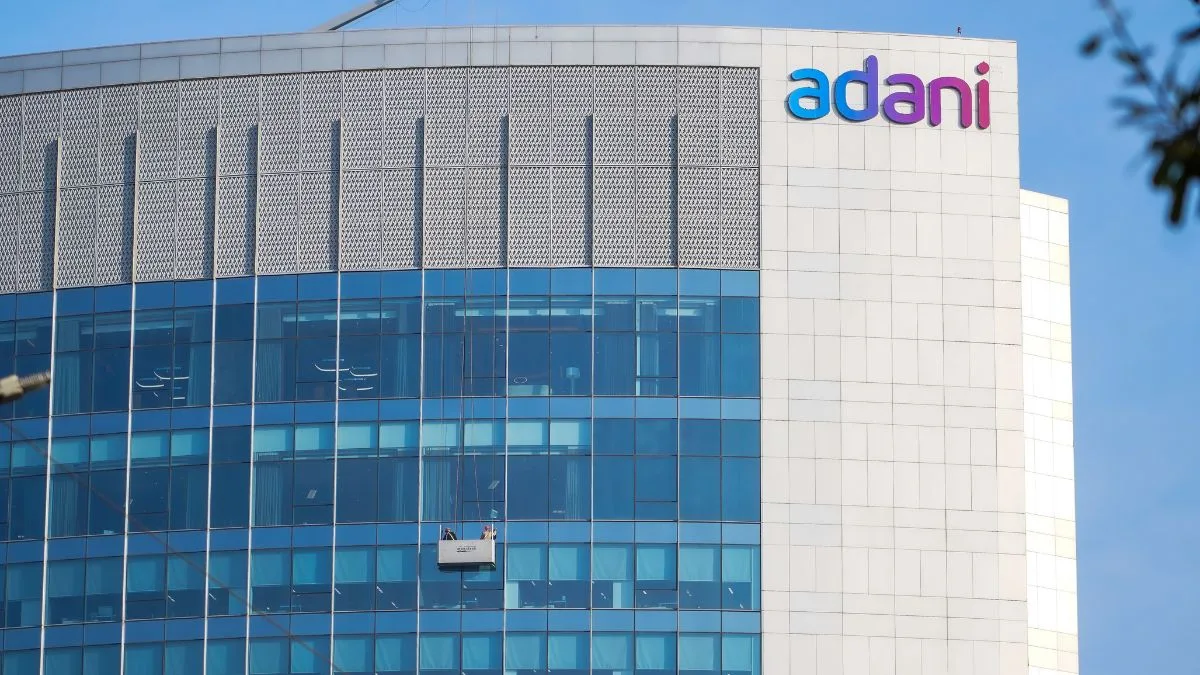
Adani Enterprises on Friday rejected media reports claiming it was planning to launch an airline, stating that it is neither considering nor evaluating any proposal to enter the airline business.
The company issued a clarification after reports suggested that the Adani Group was exploring an entry into commercial aviation.
Advertisement
“We would like to categorically deny the recent media reports and market speculation suggesting that Adani Enterprises is planning to launch an airline. These reports are entirely baseless and factually incorrect,” a company spokesperson said.
The spokesperson added that Adani Enterprises “is not evaluating any proposal to enter the airline business.”
The clarification follows media reports claiming that airport operators, including the Adani Group and GMR Group, were seeking changes to regulations that restrict operators of Delhi and Mumbai airports from owning more than a 10 per cent stake in a scheduled airline.
According to those reports, the government was examining whether the existing rules could be amended, with any change requiring Cabinet approval. However, neither the government nor the airport operators have officially announced any proposal to modify the regulations.
The denial comes days after Adani Airports announced plans to invest more than Rs 20,000 crore in the first phase of developing integrated airport cities across six airports in Mumbai, Navi Mumbai, Ahmedabad, Lucknow, Jaipur and Guwahati.
The project, to be developed by Adani Airport City Limited, will cover more than 22 million square feet of hospitality, retail, commercial, entertainment and convention infrastructure integrated with airport and urban transport networks. Nearly 70 per cent of the planned investment will be concentrated in Mumbai and Navi Mumbai.
Separately, Adani Defence & Aerospace recently signed an agreement with the Defence Research and Development Organisation (DRDO) to jointly develop the Airborne Early Warning & Control (AEW&C-MKII) system for the Indian Air Force. The programme includes mission systems integration, logistics and long-term maintenance support, with induction planned for 2032-33.







![‘Beginning of accountability’: Sonam Wangchuk reveals 3 written assurances from Centre before ending fast [VIDEO]](https://www.thestatesman.com/wp-content/uploads/2026/07/Sonam-Wangchuk-1-1-300x200.webp)
![‘Beginning of accountability’: Sonam Wangchuk reveals 3 written assurances from Centre before ending fast [VIDEO]](https://www.thestatesman.com/wp-content/uploads/2026/07/Sonam-Wangchuk-1-1.webp)