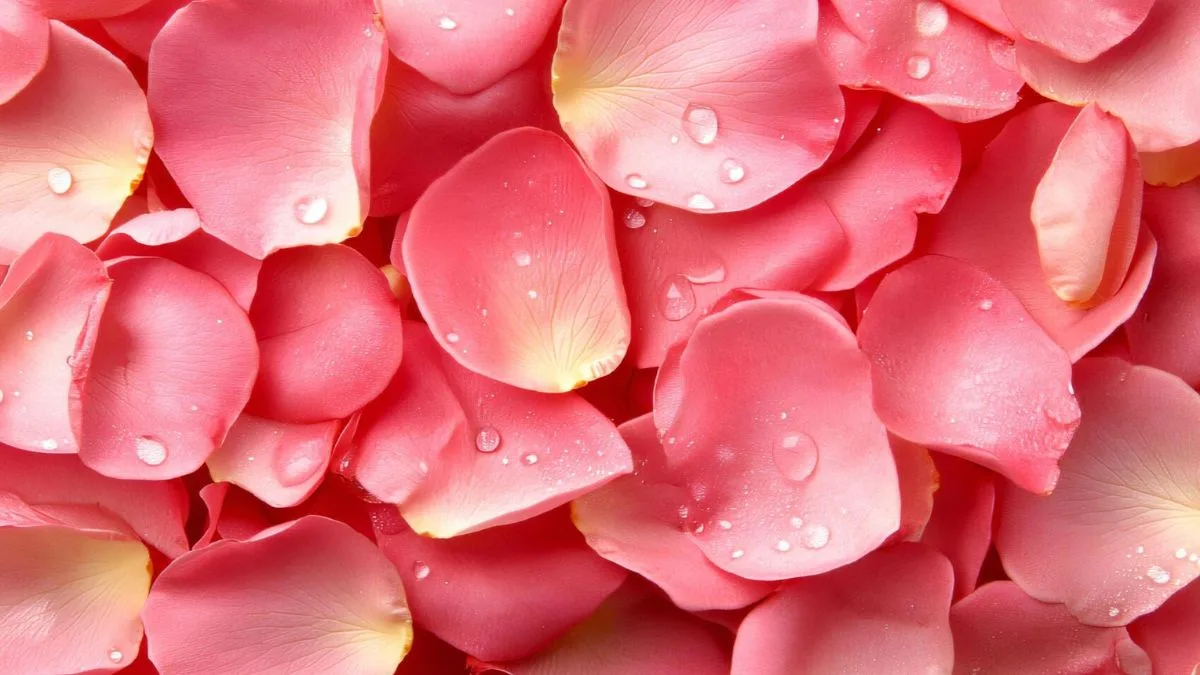
Patanjali Ayurved co-founder Acharya Balkrishna recently shared a simple skincare tip on Facebook, and it’s got people talking. His point: monsoon humidity messes with your skin more than you’d think, and rose water might be the easy fix you’re overlooking.
Here’s his reasoning. When humidity spikes during the rainy season, skin pores tend to get blocked more easily. That blockage is often what triggers those annoying acne breakouts on your face. His suggested fix is straightforward: use rose water daily as a toner. He calls it natural, safe, and something anyone can slot into their existing routine without much hassle.
Advertisement
Why monsoon weather is rough on skin
There’s actual science behind why your skin acts up this time of year. Oil glands go into overdrive when it’s humid out, and you sweat more too. That combo means more sebum sitting on your skin than usual. Add in everyday dust and dirt, and you’ve got a recipe for clogged pores. Bacteria move in, inflammation follows, and acne shows up. It’s basically why so many people notice their skin getting worse specifically during monsoon.
What the research actually says about rose water
People have used rose water in skincare for ages, and there’s some real research backing it up too.
In one study, rose petal extract protected fibroblast cells from damage caused by hydrogen peroxide. Another found it suppressed a cellular stress pathway. It’s also loaded with antioxidants, which help fight off free radical damage, and there’s evidence it helps with mild acne, eczema, psoriasis, and dry or flaky skin.
One interesting detail: rose water contains eugenol, a compound shown to slow the growth of Propionibacterium acnes, the bacteria that causes inflammatory acne. Using it regularly is also thought to help cut down excess oil.
That said, it’s not a slam dunk with everyone. Some experts point out there isn’t solid research specifically proving rose water treats acne or other skin conditions outright. So most dermatologists treat it as a helpful add-on rather than a cure.
How to actually use it
Nothing complicated here. Put some on a cotton pad and wipe it across your face, or keep it in a spray bottle and mist it on like a toner. Best time is right after you wash your face. It helps balance your skin’s natural pH and keeps pores from getting clogged in the first place.
It’s gentle enough for most skin types, including sensitive and acne-prone skin. You can also layer it under something like a hyaluronic acid serum if you want extra hydration.
But don’t rely on it alone
Experts are clear that rose water by itself won’t solve an acne problem. You still need the basics: wash your face twice a day, stick to oil-free products, eat reasonably well. And if your skin is on the sensitive side, do a patch test before making rose water part of your daily routine.