As Wangchuk eases terms for ending hunger strike, CJP expands its list of demands
The CJP has refused to go to JP Nadda's residence and asked the minister to either come to Jantar Mantar or to a neutral venue for talks.
The activist said he is ready to end his hunger strike if the government assured him that no legal action would be taken against the protesting students demanding accountability over the NEET-UG paper leak.




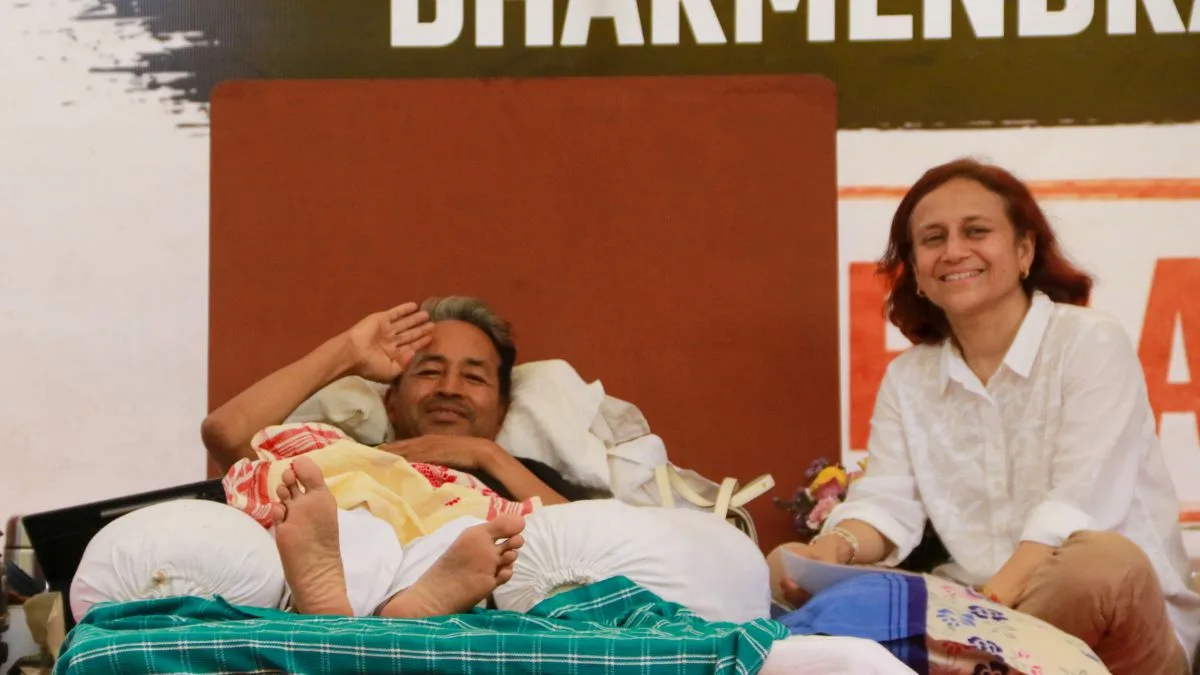
Image: IANS
Sonam Wangchuk on Wednesday, July 22, appeared to have soften his stance as he set out conditions for the central government to end his fast.
The activist said he is ready to end his hunger strike if the government assured him that no legal action would be taken against the protesting students demanding accountability over the NEET-UG paper leak. However, he added that he would continue his fast indefinitely in the absence of such an assurance.
Advertisement
In a letter addressed to Union Health Minister JP Nadda and Minister of State Jitendra Singh, Sonam Wangchuk thanked them for visiting him at Medanta Hospital and appealing to him to end the fast.
Advertisement
“During our discussion, you assured me that the Government would positively consider adequate compensation for the families of students who committed suicide following the examination paper leak, and initiate a meaningful discussion in Parliament to ensure accountability, including consideration of the resignation of the Hon’ble Education Minister,” Wangchuk wrote in a letter shared on X.
AN APPEAL TO THE GOVERNMENT
regarding breaking my fast…
Once the assurance from govt come I will also appeal to the peacefully protesting students to halt the movement for now and enter into dialogue with the government pic.twitter.com/gR6S8woF5R— Sonam Wangchuk (@Wangchuk66) July 22, 2026
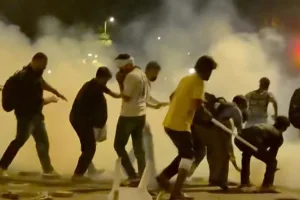
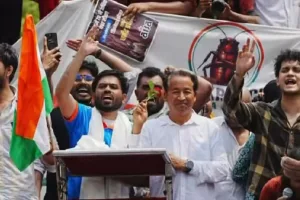
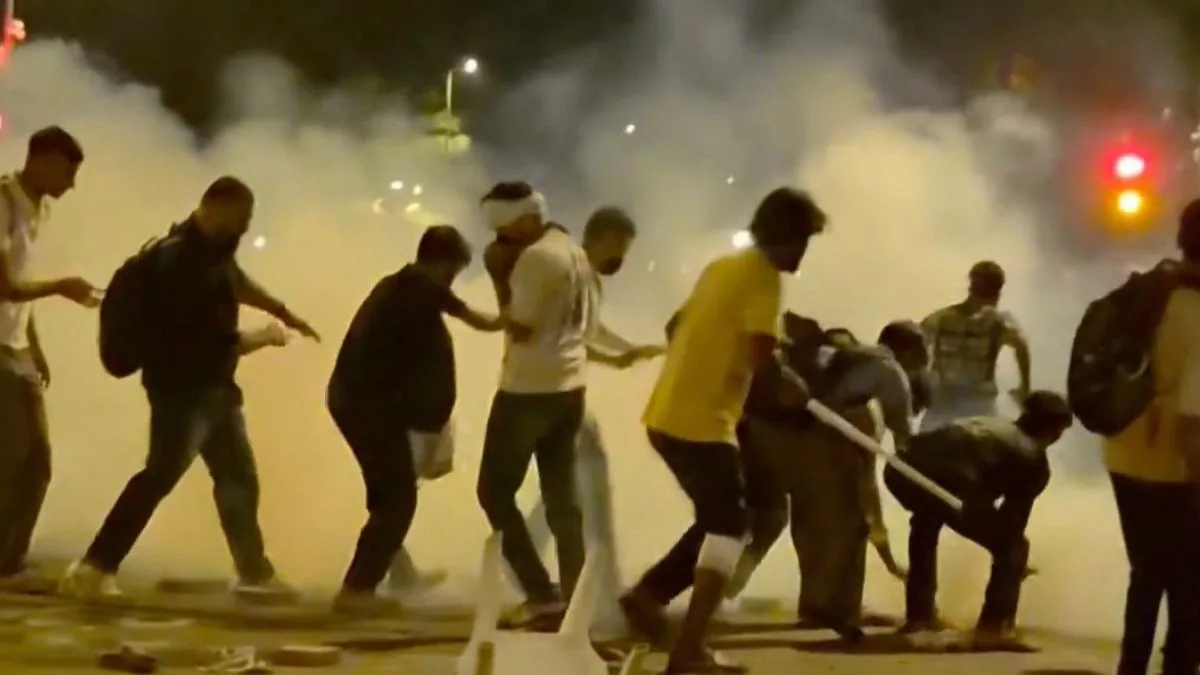
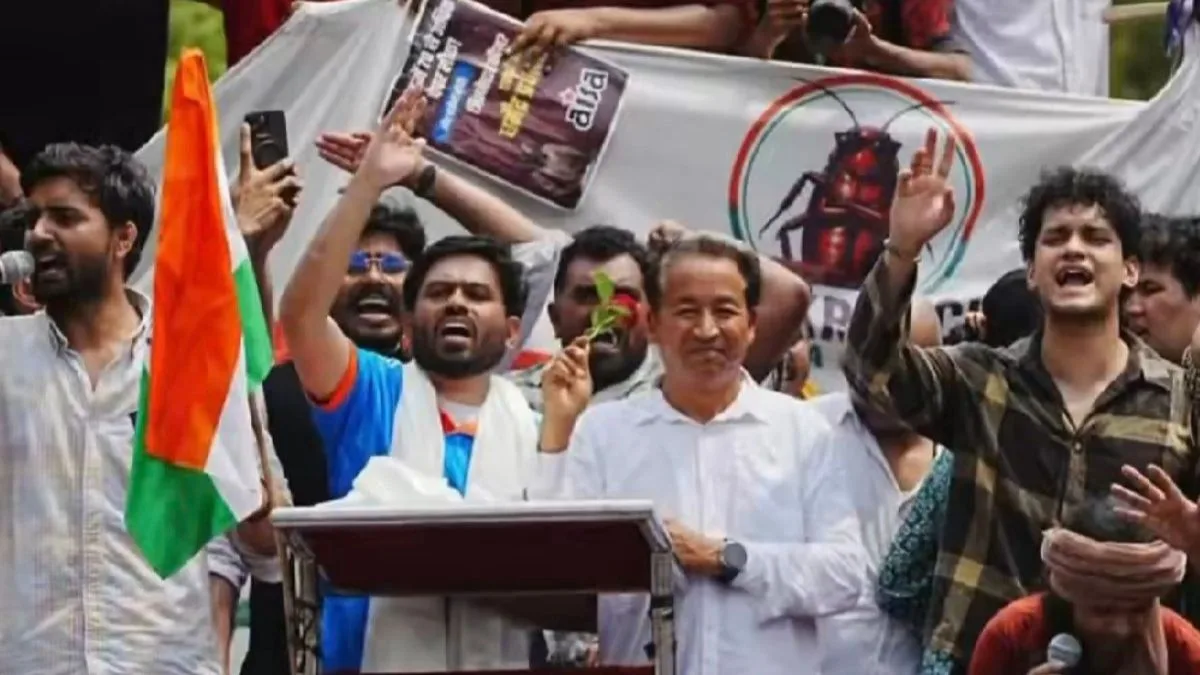
Talking about the ‘Chalo Sansad’ march of the Cockroach Janta Party (CJP) held on July 20, the activist claimed that it remained peaceful despite what he described as “atrocities and disproportionate use of force” by the police.
“The entire nation and the world witnessed their patience and commitment to democratic protest. I sincerely hope that this faith in democratic institutions is not further undermined by any legal cases, harassment or vindictive action against those who participated,” he wrote.
Wangchuk highlighted that after the ministers’ visit, nearly 65 MPs from different political parties reached out to him and urged him to end his fast.
“They reminded me that I still have much work to do in the service of our nation. I agree with them. I want to live. I want to return to my students, to education, and to the work that has defined my life. But I cannot do so at the cost of the very young people for whom this movement began… Therefore, I respectfully request an unequivocal assurance from the Government that none of the young protesters will face any punitive or retaliatory legal action for participating in this movement. Their only ‘offence’ has been to raise their voice for a fair and accountable education system,” Wangchuk wrote.
He added, “If such an assurance is given, I shall end my fast with faith that the Government has heard not only my appeal but also the aspirations of lakhs of young Indians. In the absence of such an assurance, I will be forced to continue my fast indefinitely. I also hope that there will be no further use of excessive police force to repress the movement”.
Further, he noted, “The future of our democracy depends not on how it treats those who agree with it, but on how it treats its young citizens when they dare to speak with courage, hope and conviction”.
Delhi Police officials shifted Wangchuk to the Safdarjung Hospital on July 18, following 21 days of fasting at Jantar Mantar in support of demands raised by the CJP.
Later on, his supporters claimed that he was being kept under “illegal detention” – a charge strongly rejected by the authorities.
Recently, he was shifted to Medanta Hospital following a court’s order.
Advertisement