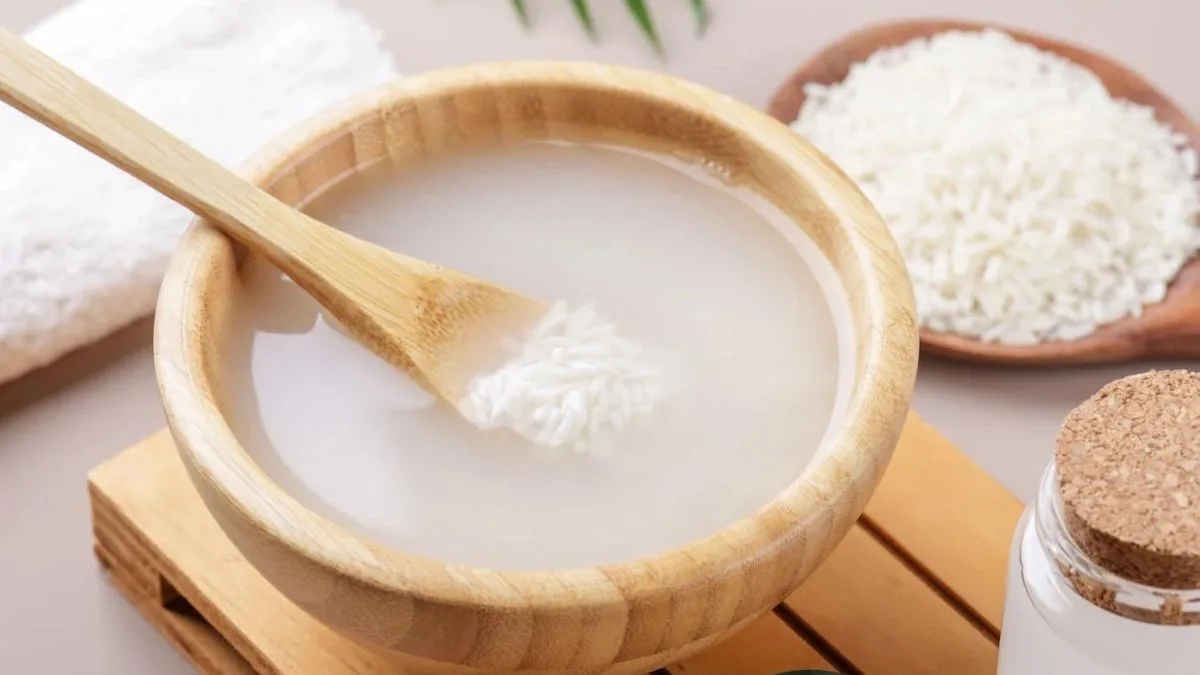
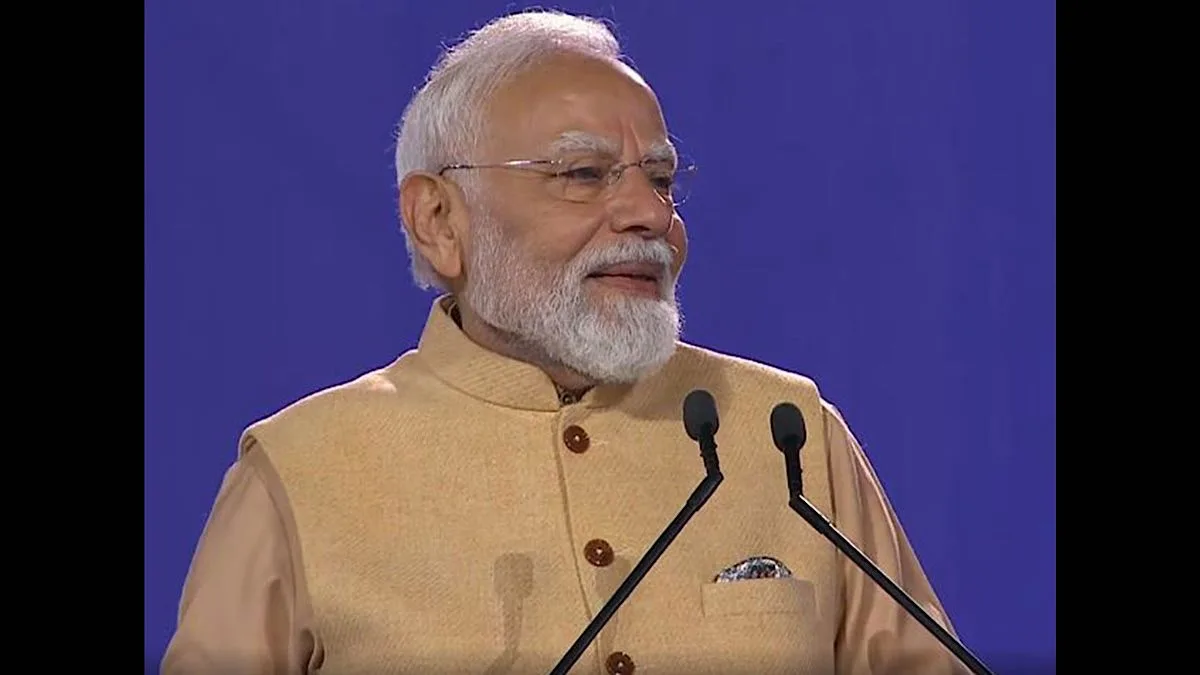
Acharya Balkrishna, who co-founded Patanjali Ayurved, posted a health tip on Facebook recently that’s got people talking about how they cook rice. His point: that cloudy, starchy water left over after boiling rice — called “maand” in Hindi — isn’t waste. It’s actually packed with protein, vitamins and minerals, and pouring it down the drain means pouring out nutrition along with it. His advice is simple. Just let the rice cook in that water instead of draining it away.
Advertisement
Turns out, he’s not wrong on the science.
Rice does contain starch, some plant protein, and a handful of vitamins and minerals — B vitamins, magnesium, potassium, phosphorus, that sort of thing. A good chunk of these are water-soluble, meaning when you boil rice, they don’t stay locked inside the grain. They leach out into the water around it. So if you strain that water off before eating, you’re taking a fair bit of the nutritional value with it.
There’s more than just vitamins at stake too. Rice contains antioxidant compounds like ferulic acid and oryzanol, plus trace amino acids, and these also make their way into the cooking water. Same story — drain the water, lose the goods.
Why this actually matters in the kitchen
Think about how rice gets cooked in most Indian homes: you boil it in more water than it needs, then tip the extra starchy liquid out before serving. It’s an old habit, mostly done for texture — nobody wants mushy or overly sticky rice. But researchers who study food and nutrition point out that this method quietly costs you something nutritionally, compared to cooking rice so it just soaks up all the water it’s given.
That second method — sometimes called the absorption technique — is what most nutrition experts actually recommend. You measure the water carefully so the rice drinks it all in by the time it’s done, and there’s little or nothing left to pour away. The starch, the protein, the micronutrients — it all stays right there in the pot.
A bit about Balkrishna himself
Balkrishna isn’t just a businessman — he’s also vice chancellor of Patanjali University in Haridwar, and he regularly shares Ayurvedic and traditional dietary advice with his sizeable social media following. This isn’t out of character for him; wellness tips rooted in older Indian food practices are pretty much his bread and butter online.
The bigger picture
Rice is eaten daily in most Indian households — it’s about as staple as staples get. And that’s exactly why a small shift like this matters more than it might seem. When something is consumed at that scale, even a minor tweak in how it’s prepared — like keeping the starch water instead of tossing it — can add up to a real difference in how much nutrition people are actually getting from their meals.